Cashless payment systems are becoming increasingly popular in the retail industry, offering customers a convenient and streamlined way to pay for goods and services. However, as with any technological innovation, cashless payment solutions also come with certain security risks that businesses need to be aware of.
In this guide, we’ll explore the potential security risks of cashless payment systems in retail and discuss the security features that businesses should look for when choosing a payment solution. Additionally, we’ll introduce a payment provider that offers robust security features and can help businesses mitigate these risks.
Whether you’re already using a cashless system or are considering implementing one in your business, our guide will provide valuable insights to help keep your transactions secure and seamless.
Table of Contents
- 5 Security Risks of Cashless Payment Solutions
- Data Breaches and Theft
- Fraudulent Transactions
- Identity Theft
- Malware and Phishing Attacks
- Lack of Physical Security
- How to Mitigate Security Risks
- Use a Reputable Payment Solution Provider
- Educate Your Employees and Customers
- Implement Fraud Detection and Prevention Measures
- Secure Your Physical Environment
- A Secure Way to Manage Your Retail Operations
- Frequently Asked Questions
- Final Thoughts: Securing the Future of Cashless Payments in South Africa
5 Security Risks of Cashless Payment Solutions
Data breaches and theft
One of the biggest concerns with cashless payment solutions is the threat of data breaches and theft. When hackers break into a payment system, they can walk away with sensitive customer details like names, home addresses, and credit card numbers. This information is often sold on the black market, used for fraud, or even held for ransom. For a retail business, the fallout from a breach is serious. It can lead to legal trouble, a damaged reputation, and a painful loss of customer trust.
Fraudulent transactions
Even the most modern cashless payment solutions can be vulnerable to fraud. If a hacker gets hold of payment credentials, they can make unauthorized purchases or move funds around. Some clever fraudsters even create fake credentials or tamper with payment terminals to “skim” card data as it is swiped. These fraudulent activities hit everyone’s pockets, causing financial loss for both your business and your shoppers while hurting your brand’s credibility.
Identity theft
Identity theft is another major risk to keep on your radar. Once a fraudster has stolen personal information, they can open new accounts, go on shopping sprees, or even commit crimes in someone else’s name. The impact on the victim can last for years, leading to drained savings and a ruined credit score.
Malware and phishing attacks
Hackers also use digital traps like malware and phishing to compromise cashless payment solutions. Malware can be installed on payment terminals to track transactions or steal card data in real time. Meanwhile, phishing attacks often involve deceptive emails or websites designed to trick your staff or customers into handing over private login details. These attacks are a fast track to financial loss and a PR nightmare.
Lack of physical security
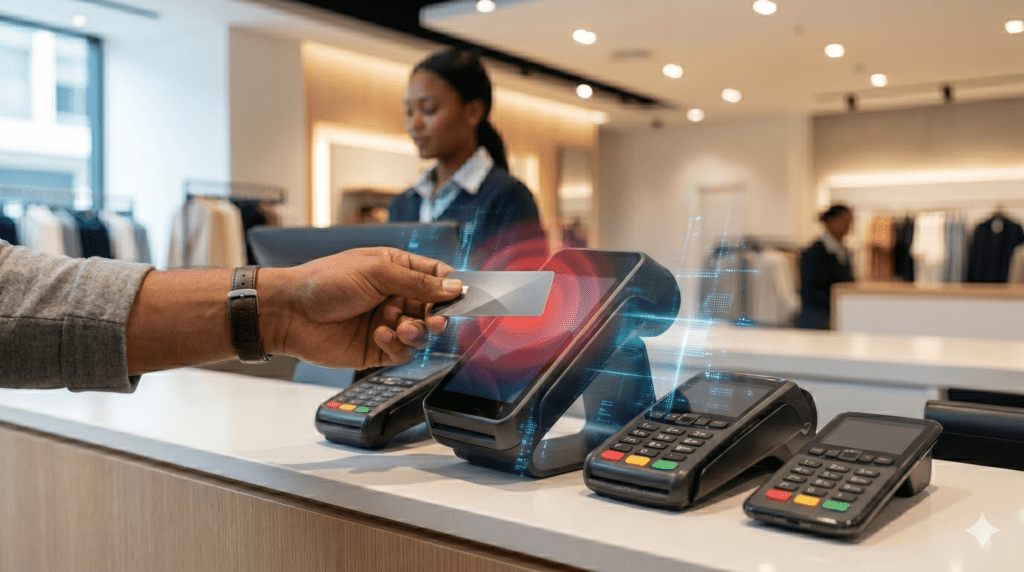
We often focus on digital threats, but physical security is just as important. If a payment terminal is left unattended, it can be stolen or tampered with to intercept data during a transaction. To prevent this, businesses should use secure terminals and check them regularly for any signs of damage or unusual attachments.
Eezipay addresses this by providing tamper-resistant hardware and ensuring that all payment data is transmitted through highly secure channels.
While cashless payment solutions bring incredible speed and convenience to the retail world, they do come with these real-world risks. By staying informed and taking the right steps, you can shield your business from financial hits and keep your customers’ data safe.
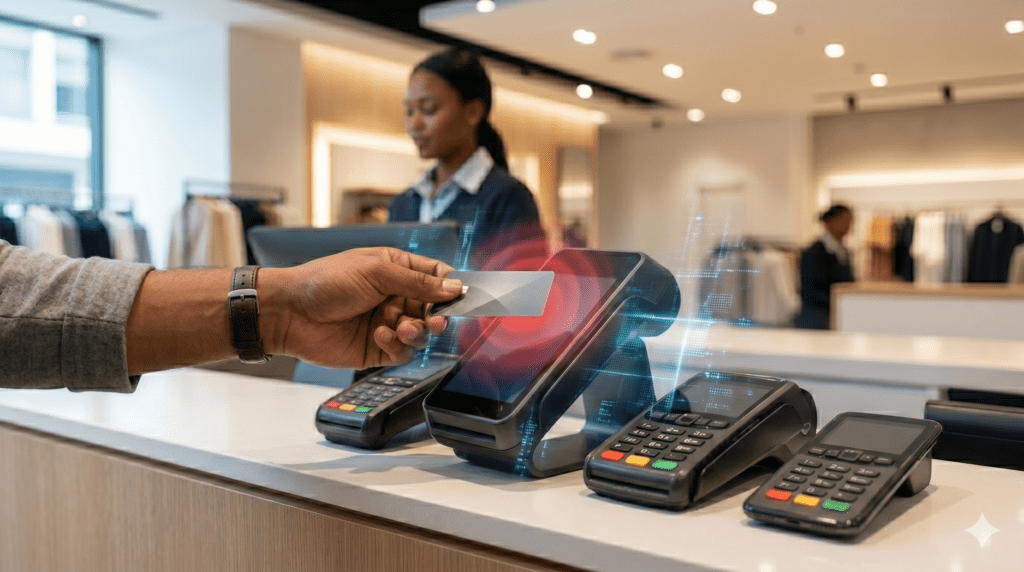
How to Mitigate Security Risks in Cashless Payment Solutions
Now that we’ve discussed the top security risks associated with cashless payment solutions in retail, let’s take a look at some strategies that can help mitigate these risks:
Use a reputable payment solution provider
One of the most effective ways to mitigate security risks is to use a reputable payment solution provider. Search for a partner that employs robust security protocols such as tokenization, encryption, and two-factor authentication. Additionally, make sure the provider complies with industry standards such as the Payment Card Industry Data Security Standard (PCI DSS).
Educate your employees and customers
Educating your team and your shoppers is a powerful way to strengthen your cashless payment solutions. It starts with your staff. When you train your employees to spot and report suspicious behavior early, you create a human firewall for your business. Encourage them to use strong, unique passwords and remind them never to share sensitive login details.
At the same time, it is just as important to guide your customers. By sharing simple tips on how to protect their data and encouraging them to choose secure payment methods, you build a safer environment for everyone. When people know how to use cashless payment solutions responsibly, it reduces the chance of errors and makes your entire payment process much more secure.
Implement fraud detection and prevention measures
To keep your payment solutions safe, you need active fraud detection and prevention tools working behind the scenes. It isn’t enough to just process payments; you have to monitor transactions constantly for any unusual activity. By using real-time tools, you can catch and stop suspicious behavior the moment it happens.
For even stronger protection, many modern systems now use artificial intelligence and machine learning. These technologies analyze vast amounts of transaction data to spot subtle patterns that a human might miss. By identifying these red flags early, you can stay one step ahead of fraudsters and ensure your cashless payment solutions remain a secure choice for your customers.
Secure your physical environment
Lastly, securing your physical workspace is a vital step in preventing security breaches. It is important to physically lock down payment terminals and check them regularly for any signs of tampering or unusual damage. Adding video surveillance and setting up strict access controls will further help keep unauthorized individuals away from your payment systems.
These steps do more than just protect your finances; they safeguard your customers and keep your business’s reputation intact.
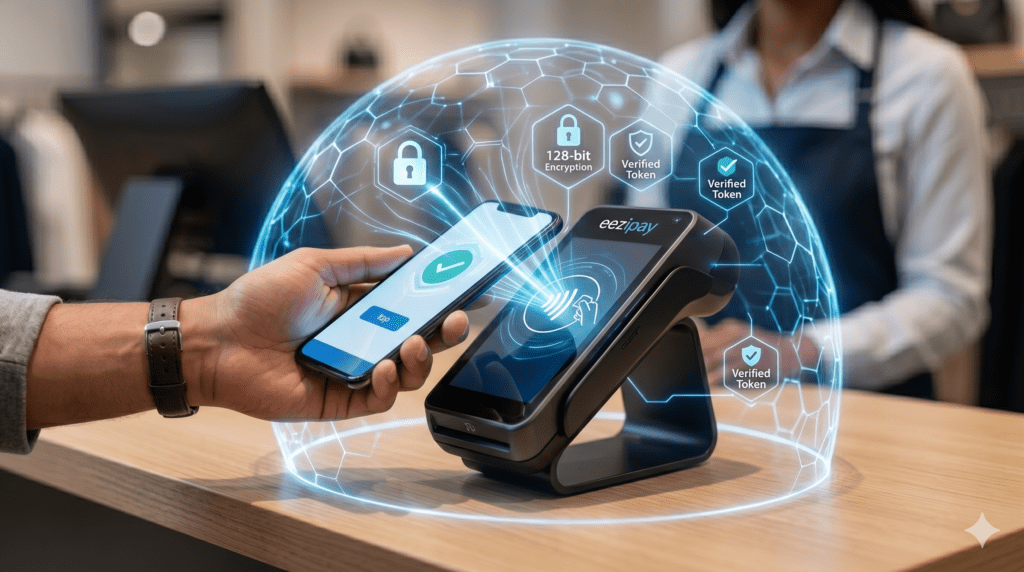
A Secure Way to Manage Your Retail Operations
If your goal is to offer a quick and convenient checkout, a standard entry-level setup might get you through the day. But when you are ready to move beyond just “taking payments” and want to proactively defend your business against sophisticated fraud, you need a system that integrates security into every layer of your operations.
That is where Eezipay fits. We provide more than just a way to swipe a card; we offer a closed-loop environment where your hardware, software, and data management work together to block threats. From tamper-resistant terminals to encrypted reporting, our cashless payment solutions are built for retailers who want to stop worrying about security risks and start focusing on growth.
- Upgrade your security with our Mobile Payment Terminals.
- Discover our full suite of secure Cashless Solutions.
- See the system in action by booking a 15-minute demo call with our team.
Frequently Asked Questions
Are cashless payment solutions safe for small retail businesses in South Africa?
Yes, they are highly safe when you partner with a reputable provider. Modern cashless payment solutions use advanced encryption and tokenization, which means sensitive card data is never stored directly on your device. For South African retailers, choosing a provider that complies with PCI DSS and POPIA regulations ensures that both your business and your customers are legally and digitally protected.
How do cashless systems protect against card fraud and skimming?
Most secure cashless payment solutions now rely on EMV chip technology and contactless “tap” features, which are much harder to clone than traditional magnetic strips. Additionally, real-time fraud monitoring and AI-driven pattern detection help identify suspicious transactions instantly.
What is the difference between open-loop and closed-loop payment solutions?
An open-loop system uses standard bank cards (like Visa or Mastercard) and works anywhere those cards are accepted. A closed-loop system is a dedicated ecosystem, often used in schools or corporate campuses, where payments are made via specific digital wallets or branded cards. Closed-loop cashless payment solutions are often considered more secure for specific environments because they give the business owner total control over the data and the spending environment.
Do cashless payment solutions work during load shedding or internet outages?
High-quality cashless payment solutions often feature “offline modes” or dual-SIM capabilities to ensure you can still process transactions when the Wi-Fi goes down. Choosing a mobile payment terminal with a long battery life and redundant connectivity is essential for maintaining consistent sales during power interruptions.
How does POPIA impact how I handle customer payment data?
Under the Protection of Personal Information Act (POPIA), South African businesses are responsible for safeguarding any personal data they collect. Secure cashless payment solutions help you stay compliant by ensuring that transaction data is processed through secure, encrypted channels. This reduces your liability and ensures that you are meeting the legal requirements for data privacy in South Africa.
Final Thoughts: Securing the Future of Cashless Payment Solutions in South Africa
Choosing the right cashless payment solutions is about more than just convenience. It is about building a foundation of trust with your customers. While the digital landscape is constantly changing, being aware of risks like data theft and fraud allows you to stay proactive rather than reactive. By combining smart employee habits with high-level encryption and secure hardware, you can enjoy all the benefits of modern retail without leaving your business vulnerable to attack.
Eezipay is committed to making this transition effortless and safe. We believe that security should be a built-in feature, not an afterthought. Whether you are managing a single storefront or a complex campus environment, our team is here to provide the tools and support you need to keep your transactions protected. To see how our secure systems can streamline your operations, explore Eezipay today.