Healthcare payments have been a longstanding pain point for patients, medical practices, and hospitals alike. The process of collecting payments can be cumbersome, time-consuming, and error-prone. Furthermore, the rise of the digital age has brought new challenges, including the need for contactless payment methods and remote consultations.
Fortunately, integrated payment solutions are emerging as a solution to these challenges. By streamlining the healthcare payments process and offering cashless options, integrated payment systems are helping medical facilities and practices to enhance their operational efficiency and patient experience.
In this blog post, we will define integrated payment solutions and explain their benefits for the healthcare industry. We will also provide practical tips on how to incorporate cashless integrated payment systems into daily routines, and highlight the importance of embracing cashless payment methods in the digital age. Lastly, we will introduce Eezipay’s cashless integrated payment system and explain how it can help hospitals and medical facilities enhance their payment processes and patient experience.
What are Integrated Payment Solutions?
How to Incorporate Cashless Integrated Payment Systems in Healthcare
Why Cashless Integrated Payment Systems are the Future of Healthcare Payments
Introducing Eezipay’s Cashless Integrated Payment System
What are Integrated Payment Solutions?
Integrated payment solutions are technology-driven payment platforms that offer cashless payment options and streamline the healthcare payments process. In the healthcare industry, integrated payment systems can be used by medical facilities, practices, and hospitals to collect payments from patients, insurers, and other stakeholders.
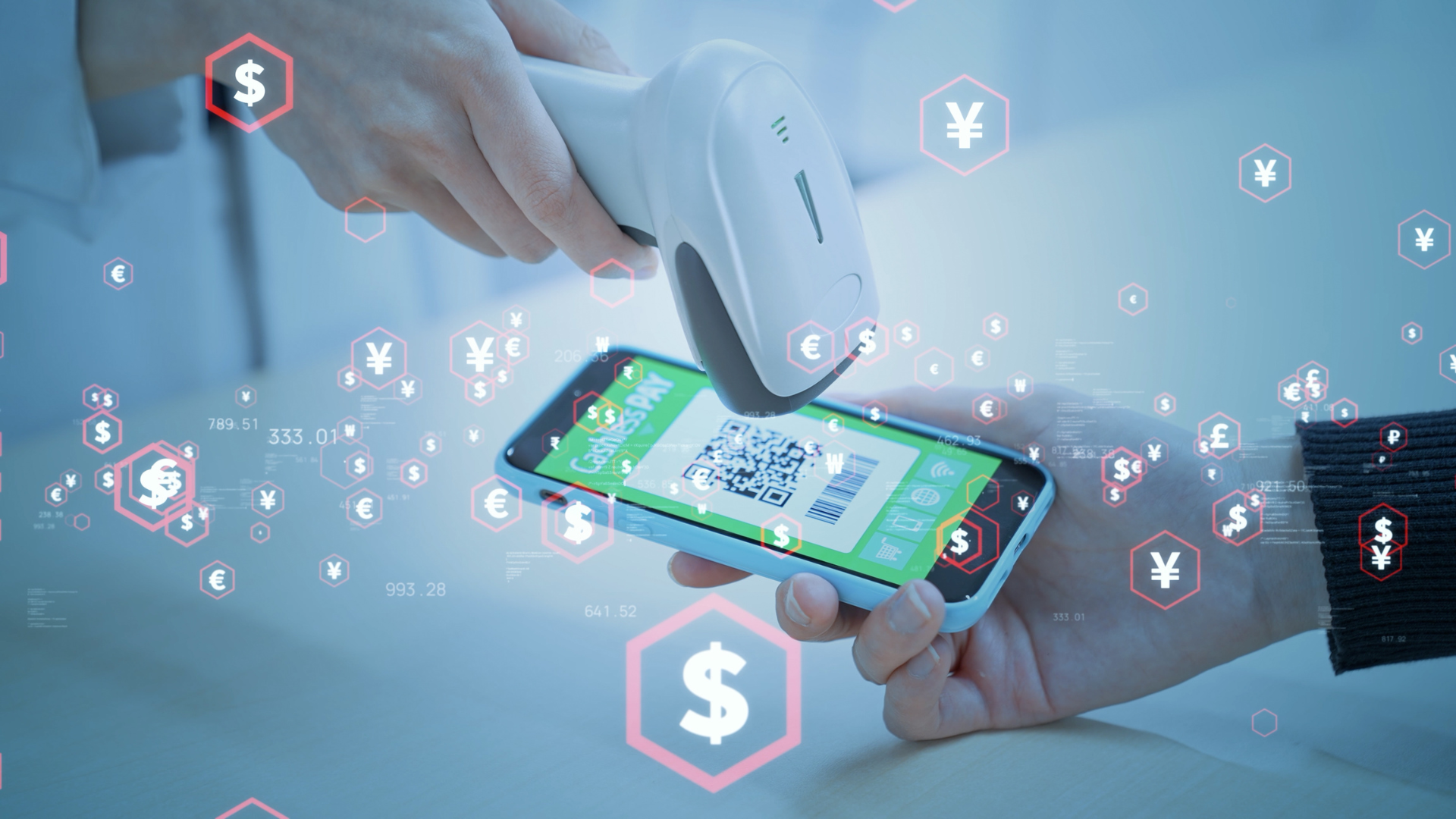
One of the primary benefits of integrated payment solutions is that they offer a secure, efficient, and convenient payment experience for both patients and medical providers. For instance, patients can make healthcare payments using their smartphones or other digital devices, eliminating the need for physical checks or cash. Medical providers, in turn, can reduce the risk of errors and fraud by using automated payment processes and digital record-keeping.
Moreover, integrated payment solutions can integrate with electronic health record (EHR) systems and other healthcare software, allowing for seamless information exchange between payment and clinical systems. This integration can help medical providers to gain a holistic view of patient data and provide more personalized care.
In summary, integrated payment solutions are an innovative way for medical facilities and practices to improve the healthcare payments process and enhance patient experience. In the next section, we will provide practical tips on how to incorporate cashless integrated payment systems into daily routines.
How to Incorporate Cashless Integrated Payment Systems in Healthcare
Incorporating cashless integrated payment systems into daily routines can seem daunting for medical practices and hospitals. However, with the right approach, it can be a seamless transition that benefits both patients and providers.
Here are some practical tips on how to incorporate cashless integrated payment systems into healthcare:
- Choose the right payment platform: There are many payment platforms available, but not all are created equal. Look for a platform that is designed specifically for healthcare payments and offers robust security features, such as encryption and compliance with HIPAA regulations.
- Train staff: Ensure that all staff members are trained on how to use the healthcare payments platform, including how to process payments, issue refunds, and generate reports. Staff members should also be aware of the benefits of cashless payments and be able to communicate these benefits to patients.
- Educate patients: Patients may be hesitant to adopt cashless payment methods, so it’s essential to educate them on the benefits of cashless payments, such as increased security, convenience, and speed. You can do this by providing informational brochures or hosting educational sessions.
- Make it easy: Make the healthcare payments process as easy as possible for patients by providing clear instructions and offering multiple payment options, such as credit cards, e-wallets, and mobile payments.
By incorporating these tips, medical facilities and practices can successfully implement cashless integrated payment systems into their daily routines. In the next section, we will highlight the importance of cashless integrated payment systems to hospitals in the digital age.
Why Cashless Integrated Payment Systems are the Future of Healthcare Payments
Cashless integrated payment systems are increasingly becoming the preferred payment method in the healthcare industry. The digital age has brought new challenges to the industry, including the need for contactless payment methods, remote consultations, and streamlined processes.
Here are some reasons why cashless integrated payment systems are the future of healthcare payments:
- Reducing the risk of infection: Cashless payment methods can help to reduce the risk of infection by eliminating the need for physical contact and handling of cash or checks.
- Improving record-keeping: Integrated payment solutions can integrate with electronic health record (EHR) systems, making it easier for medical providers to track and reconcile payments.
- Enabling telemedicine: Cashless integrated payment systems can support telemedicine by allowing patients to make payments online or via mobile devices, eliminating the need for physical visits to make payments.
- Enhancing patient experience: Cashless integrated payment systems offer patients a more convenient, secure, and efficient payment experience. Patients can make payments from anywhere, at any time, using their preferred digital device.
Scientific evidence supports the benefits of cashless integrated payment systems. According to a study by the Healthcare Information and Management Systems Society (HIMSS), integrating payment solutions with EHR systems can improve patient care coordination, reduce revenue cycle costs, and increase staff efficiency.
In summary, cashless integrated payment systems are essential for the future of healthcare payments. In the next section, we will introduce Eezipay’s cashless integrated payment system and explain how it can help hospitals and medical facilities streamline their payment processes and enhance patient experience.
Introducing Eezipay’s Cashless Integrated Payment System
Eezipay is a leading provider of cashless integrated payment systems for the healthcare industry. Eezipay’s system is designed specifically for medical facilities, practices, and hospitals, and offers a range of features to enhance payment processes and patient experience.
Here are some of the features of Eezipay’s cashless integrated payment system:
- Easy-to-use interface: Eezipay’s system is designed to be user-friendly, with a simple interface that allows medical providers to easily process payments and generate reports.
- Robust security features: Eezipay’s system uses advanced encryption and compliance with HIPAA regulations to ensure the security of patient information and financial transactions.
- Seamless integration with EHR systems: Eezipay’s system integrates seamlessly with EHR systems and other healthcare software, enabling medical providers to track and reconcile payments in real-time.
- Customizable payment options: Eezipay’s system allows medical providers to offer patients a range of payment options, including credit cards, debit cards, e-wallets, and mobile payments.
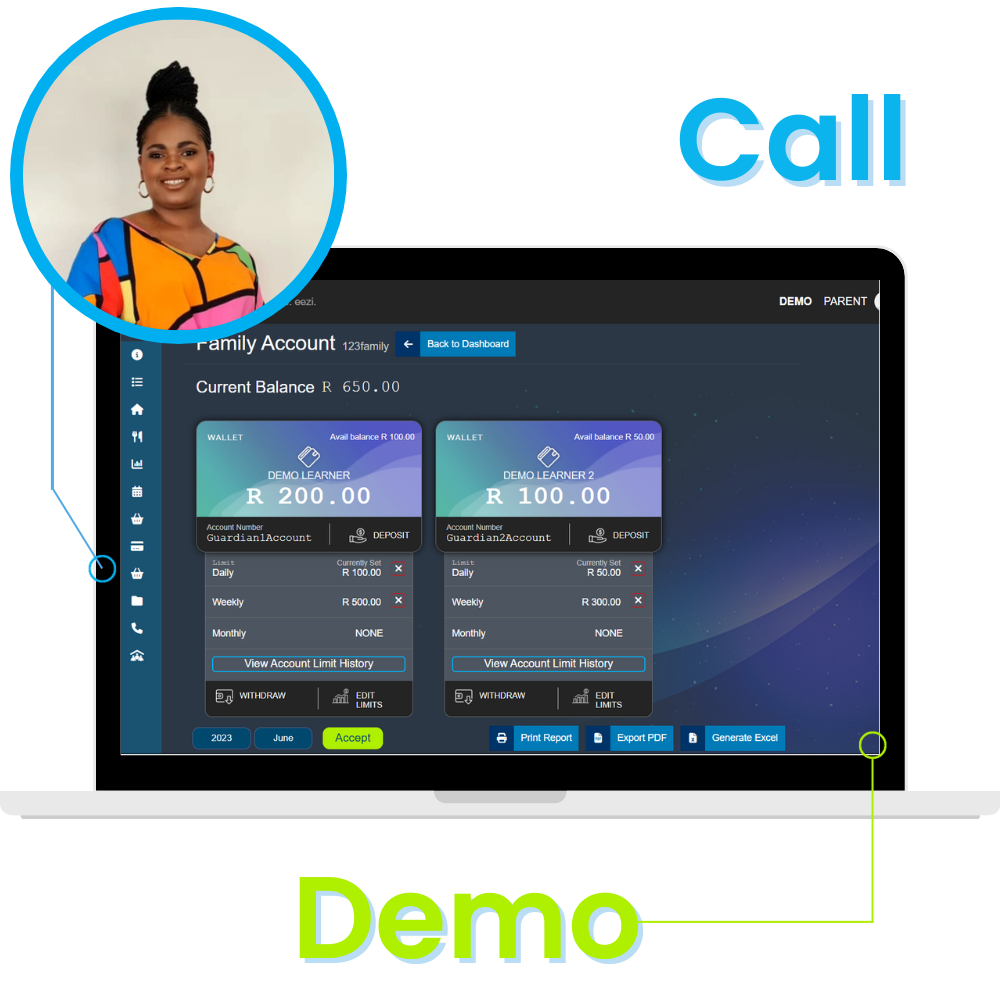
- Patient portal: Eezipay’s system includes a patient portal that allows patients to view their bills and make payments online, from anywhere and at any time.
Eezipay’s cashless integrated payment system can help medical facilities and practices to streamline their payment processes, reduce administrative costs, and enhance patient experience. In the next section, we will conclude the blog post with a summary of the key points and a call-to-action.
Ready to go cashless?
In conclusion, cashless integrated payment systems are the future of healthcare payments. They offer a secure, efficient, and convenient payment experience for both patients and medical providers. By incorporating practical tips, medical facilities and practices can successfully implement cashless integrated payment systems into their daily routines.
Eezipay’s cashless integrated payment system is an innovative solution that can help medical facilities and practices streamline their payment processes and enhance patient experience. With features such as robust security, seamless integration with EHR systems, and customizable payment options, Eezipay’s system is a comprehensive solution for healthcare payments.
We encourage readers to try incorporating Eezipay’s cashless integrated payment system into their daily routines at hospitals. By embracing cashless payment methods, medical providers can reduce the risk of infection, improve record-keeping, and enhance patient experience.
Thank you for reading this blog post. We hope that you found it helpful and informative. If you have any questions or comments, please feel free to reach out to us.