
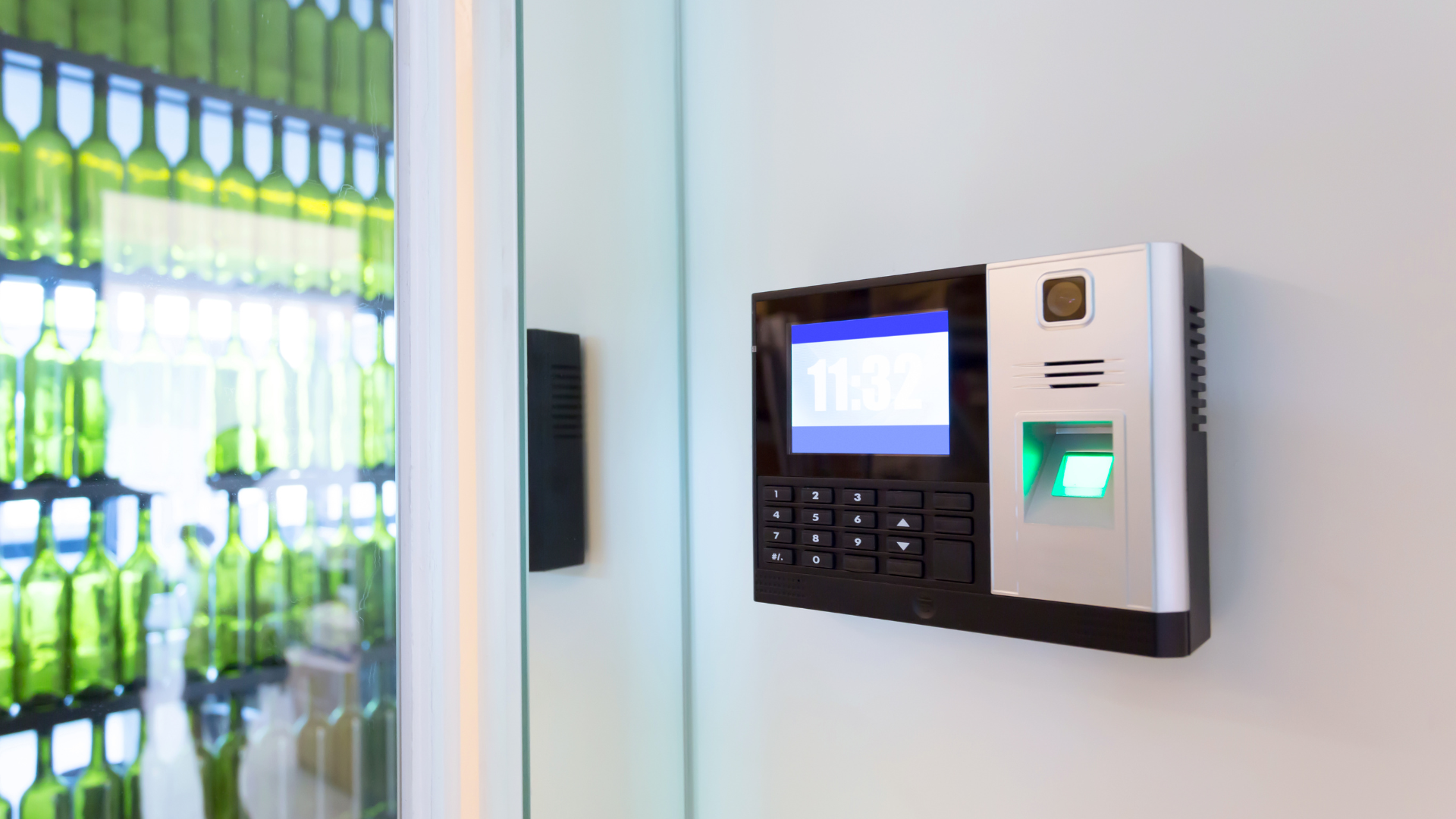
Ensuring the safety and security of residents is of utmost importance in old age homes. As our loved ones enter their golden years, it becomes crucial to create an environment that not only provides comfort but also safeguards their well-being. Traditional security locks for gates have long been the norm, but in today’s ever-evolving world, access control systems have emerged as a more effective solution.
Access control systems offer a comprehensive approach to security, providing a range of benefits that surpass the limitations of traditional security locks for gates. By incorporating these systems into daily routines, old age homes can enhance safety, exert greater control, and elevate the overall resident experience.
In this blog post, we will explore the advantages of access control systems over security locks for gates in old age homes. We’ll delve into practical tips on seamlessly integrating these systems into daily operations, from entering and leaving the premises to moving around within the facility. Additionally, we’ll emphasize the significance of safety for the elderly and the specific benefits that residents can experience through the implementation of an access control system.
By the end of this article, you’ll gain a deeper understanding of the scientific evidence supporting access control systems in old age homes, along with inspiring examples of successful implementations. We’ll also introduce Eezipay’s access control system, encouraging you to take the necessary steps toward creating a safer environment for your residents.
Join us as we embark on this journey to prioritize safety and security in old age homes, ensuring a nurturing and protected haven for our beloved seniors.
Benefits of Access Control Systems vs Security Locks For Gates
Practical Tips for Incorporating Access Control Systems
Importance of Safety for the Elderly
Evidence and Successful Examples
Benefits of Access Control Systems vs Security Locks For Gates
Old age homes face unique security challenges that require innovative solutions. Access control systems offer a host of advantages over traditional security locks for gates, empowering administrators to create a safer and more controlled environment. Let’s explore the key benefits of implementing access control systems in old age homes:
1. Enhanced Security
Access control systems provide a higher level of security compared to conventional security locks for gates. These systems utilize advanced technologies such as key cards, biometric authentication, or PIN codes to restrict access. By replacing traditional keys and security locks for gates, which can be easily duplicated or lost, access control systems significantly reduce the risk of unauthorized entry. This ensures that only authorized individuals, including residents, staff, and approved visitors, can gain access to the premises.
2. Increased Control and Monitoring
One of the significant advantages of access control systems is the ability to exert greater control and monitoring capabilities than security locks for gates. With these systems in place, administrators can easily manage and track who enters and exits the facility, as well as the specific areas they can access. Real-time monitoring and audit trails provide valuable insights into the movement of residents and staff, enhancing accountability and deterring potential security breaches in a way that’s not possible with security locks for gates.
3. Improved Overall Resident Experience
Access control systems contribute to a positive and convenient living experience for residents. Instead of fumbling for keys to security locks for gates, residents can simply use their assigned access cards or unique identifiers for seamless entry into their living spaces or common areas. This eliminates the hassle of carrying and managing multiple keys of security locks for gates and ensures quick and easy access, promoting independence and convenience for elderly residents.
Moreover, access control systems allow for personalized access permissions. For instance, residents with mobility issues can be granted specific access to elevators or ramps, making it easier for them to navigate the premises. This customization enhances resident comfort and promotes a sense of empowerment within the community that’s not possible with security locks for gates.
By implementing access control systems, old age homes can elevate the overall security infrastructure, resulting in enhanced protection, improved control, and a better living experience for residents.
Practical Tips for Incorporating Access Control Systems
Now that we understand the benefits of access control systems, let’s explore some practical tips on how old age homes can effectively incorporate these systems into their daily routines. By implementing these suggestions, you can maximize the advantages of access control systems and ensure a seamless integration within your facility.
A. Entering the Premises
- Key card or biometric authentication: Replace traditional keys with key cards or biometric authentication methods such as fingerprint or iris recognition. These provide a convenient and secure way for residents, staff, and authorized individuals to enter the premises.
- Visitor management protocols: Implement a visitor management system that requires visitors to sign in and obtain a temporary access card or pass. This ensures that only approved individuals have access to the facility while maintaining a record of visitor activity.
B. Leaving the Premises
- Controlled gate access: Install access control systems at exit gates to prevent unauthorized individuals from leaving with residents or gaining access to restricted areas.
- Integration with transportation services: Coordinate access control systems with transportation services used by residents. This allows for smooth entry and exit, ensuring that residents can easily and safely utilize transportation options.
C. Moving Around on the Premises
- Interior door access control: Implement access control systems for interior doors, particularly in areas that require restricted access, such as storage rooms or administrative offices. This ensures that only authorized personnel can enter these spaces.
- Elevator access management: Integrate access control systems with elevators to limit access to specific floors or ensure that residents with mobility needs can conveniently access the required floors without restrictions.
By following these practical tips, old age homes can seamlessly incorporate access control systems into their daily operations. These measures promote a secure and controlled environment while facilitating ease of movement for residents, staff, and authorized visitors.
Here are a few extra resources you may explore for more practical tips:
- “Best Practices for Implementing Access Control Systems” by Security Magazine – Link This article provides insights and best practices for implementing access control systems, including streamlining entry and exit procedures, and controlling movement within premises.
- “Practical Tips for Implementing Access Control Systems” by Security Today – Link This resource offers practical tips for implementing access control systems, including streamlining entry and exit, controlling movement, and ensuring the effectiveness of access control measures.
- “Best Practices for Access Control Systems” by Genetec – Link This webpage provides best practices for access control systems, focusing on topics such as credential management, visitor management, and securing entry and exit points.
- “Access Control Design Guide” by Vanderbilt Industries – Link This comprehensive guide provides valuable insights and design considerations for implementing access control systems, including tips for entry points, exit procedures, and managing access levels.
Importance of Safety for the Elderly
The safety and well-being of elderly residents in old age homes should always be a top priority. Implementing access control systems goes beyond mere security measures; it addresses the unique vulnerabilities that older adults may face. Let’s explore why safety is paramount for the elderly and how access control systems contribute to their overall well-being.
Vulnerabilities of Older Adults
As individuals age, they may experience physical limitations, reduced mobility, and cognitive changes that can impact their ability to navigate their surroundings safely. They may be more susceptible to falls, wandering, or encountering potentially dangerous situations. Ensuring their safety becomes imperative to maintain their independence and quality of life.
Benefits of Access Control Systems for Old Age Homes
Access control systems provide specific benefits that cater to the safety needs of elderly residents:
- Preventing unauthorized entry: By restricting access to authorized individuals, access control systems minimize the risk of strangers entering the premises undetected. This helps protect vulnerable residents from potential harm or exploitation.
- Securing restricted areas: Access control systems allow old age homes to designate areas that require limited access, such as storage rooms for medication or sensitive documents. By controlling entry, the risk of unauthorized individuals gaining access to these areas is significantly reduced.
- Emergency response management: Access control systems can integrate with emergency response protocols. In the event of an emergency, such as a fire or medical situation, these systems can streamline the evacuation process by granting immediate access to emergency responders while ensuring the safety of residents.
- Monitoring and accountability: Real-time monitoring and audit trails offered by access control systems enable administrators to identify and investigate any security breaches or suspicious activities. This enhances accountability and provides valuable data for continuous improvement of safety protocols in a way that security locks for gates can’t.
By prioritizing safety through the implementation of access control systems, old age homes can create a secure environment that addresses the unique vulnerabilities of their elderly residents. This not only enhances their safety but also fosters a sense of well-being and peace of mind among both residents and their families.
Here are a few more resources that you can use for further research:
- “The Psychological Benefits of Feeling Safe” by Psychology Today – Link This article explores the psychological benefits of feeling safe and how it contributes to overall well-being. It discusses the impact of a secure environment on reducing anxiety and promoting a higher quality of life.
- “Creating a Safe Environment for the Elderly: A Psychological Perspective” by Aging Life Care Association – Link This journal article delves into the psychological perspective of creating a safe environment for the elderly. It examines the importance of safety in promoting a sense of security, independence, and overall well-being.
- “Promoting Sense of Community in Senior Living Communities” by Senior Housing News – Link This article discusses the significance of a sense of community in senior living communities and how it contributes to the well-being of residents. It explores the role of security and trust in fostering social connections and a supportive environment.
- “Creating a Secure Environment for Seniors” by Assisted Living Federation of America – Link This resource provides insights into creating a secure environment for seniors. It highlights the importance of security measures in promoting a sense of safety, trust, and well-being among residents.
Evidence and Successful Examples
The benefits of implementing access control systems in old age homes extend beyond theoretical advantages. Scientific research supports the efficacy of these systems in enhancing safety and security. Additionally, numerous success stories demonstrate the positive impact they have had on the lives of residents. Let’s explore the scientific evidence and examples that showcase the effectiveness of access control systems in old age homes.
Scientific Evidence
Several studies have emphasized the advantages of access control systems in improving safety and security within senior living communities. For example, a study published in the Journal of Aging and Health found that access control systems reduced the risk of unauthorized entry, minimized the incidence of theft and assault, and improved overall resident satisfaction.
Another research paper published in the Journal of Housing for the Elderly concluded that access control systems positively influenced the sense of security among elderly residents, enhancing their well-being and promoting a higher quality of life.
These scientific findings support the notion that access control systems contribute significantly to the safety and security of elderly residents in old age homes.
Successful Examples
Numerous old age homes have successfully implemented access control systems and witnessed tangible benefits. For instance, Langverwacht Retirement Village implemented an access control system that allowed residents to easily enter and exit the premises while ensuring enhanced security. The system not only improved resident satisfaction but also reduced instances of unauthorized individuals gaining access to the facility.
This example illustrates how access control systems have proven to be effective in real-world scenarios, providing both security and convenience for elderly residents in a way that isn’t possible with security locks for gates.
Here are more resources that you can explore for further evidence:
- “Successful Implementation of Access Control Systems in Assisted Living Facilities” by Security Magazine – Link This article discusses successful implementations of access control systems in assisted living facilities, highlighting their benefits and outcomes. It provides insights and case studies that can be relevant to old age homes as well.
- “Access Control Systems for Retirement Communities: A Case Study” by Openpath – Link This case study explores the successful implementation of an access control system in a retirement community, emphasizing the positive impact on security and resident satisfaction. Although focused on retirement communities, the insights can be applicable to old age homes.
- “Implementing Access Control Systems in Senior Living Facilities” by CDI Technology – Link This blog post discusses the benefits and successful implementations of access control systems in senior living facilities. It provides examples and insights into how these systems improve security and resident experience.
- “Case Study: Access Control for an Assisted Living Facility” by Brivo – Link This case study explores the successful implementation of an access control system in an assisted living facility. It highlights the specific benefits, challenges, and outcomes observed in that context, which can be relevant to old age homes as well.
By leveraging scientific evidence and successful examples, old age homes can confidently embrace access control systems as a valuable tool for ensuring the safety and well-being of their residents far beyond what’s possible with security locks for gates.
Conclusion
Ensuring the safety and security of residents in old age homes is paramount. By implementing access control systems, these facilities can elevate their security infrastructure and provide a nurturing environment for their elderly residents in a way that security locks for gates can’t.
Access control systems offer a host of benefits, including enhanced security, increased control and monitoring capabilities, and an improved overall resident experience. By replacing traditional security locks for gates with access control systems, old age homes can better protect their residents from unauthorized entry and maintain a secure environment.
Incorporating access control systems into daily routines is essential. Practical tips such as implementing key cards or biometric authentication, controlling gate access, and managing interior door access can streamline operations and promote resident convenience.
We must never underestimate the importance of safety for the elderly. Access control systems address the vulnerabilities older adults may face, contributing to their well-being and allowing them to maintain their independence in a way that security locks for gates can’t.
Scientific evidence supports the efficacy of access control systems in old age homes, while successful examples demonstrate their positive impact in real-world scenarios.
We encourage you to take action and consider integrating Eezipay’s access control system into your old age home over all security locks for gates. By partnering with Eezipay, you can leverage their expertise and advanced solutions to create a safer environment for your residents.
Prioritize the security and well-being of your residents today. Together, let’s make old age homes the epitome of safety, comfort, and peace of mind.
Incorporating Eezipay’s Access Control System
Now that we have explored the benefits, practical tips, scientific evidence, and successful examples of access control systems in old age homes, it’s time to take action and create a safer environment for your residents. At Eezipay, we specialize in providing state-of-the-art access control solutions tailored for retirement villages and old age homes.
Our access control system offers a range of features designed to enhance security, convenience, and peace of mind. With Eezipay’s system, you can customize access permissions, monitor entry and exit points, and integrate emergency response protocols for a comprehensive safety solution.
By incorporating Eezipay’s access control system into your daily routines, you can ensure a seamless and efficient security infrastructure. Your residents will benefit from enhanced safety, improved control, and a more enjoyable living experience.
To learn more about how Eezipay’s access control system can transform the security of your old age home, visit our website at www.eezipay.com or contact our dedicated team for a personalized consultation.
Take the proactive step towards prioritizing safety and security in your old age home. Trust Eezipay to provide the access control solution your residents deserve.