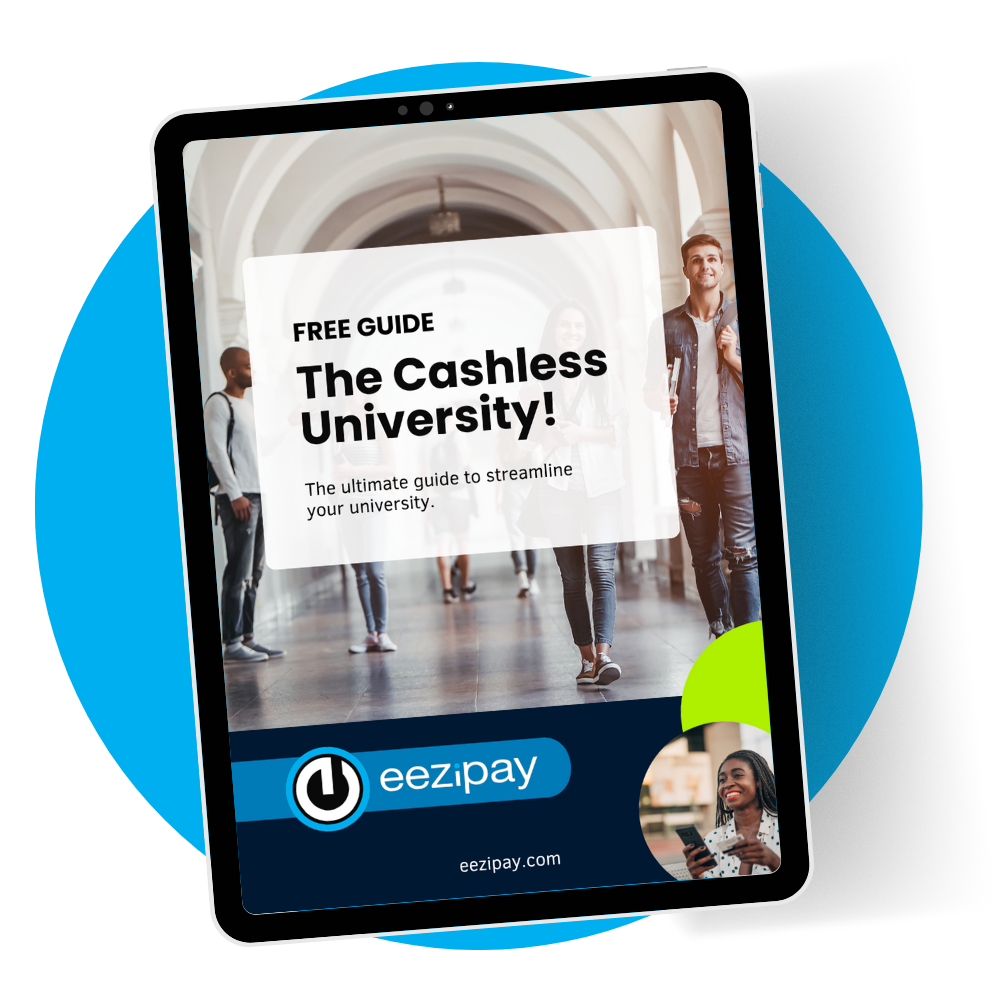

The cashless future is no longer a distant dream; it’s becoming our present reality. With the rise of the contactless payment app, especially in educational institutions, a cashless school system is transforming everyday operations. Gone are the days of coins jingling in pockets as students line up to pay for their lunches. Today, they navigate tuckshop menus, make laundry payments, and even participate in school fundraising ideas with just a tap or click. But what does this evolution entail, and why is it crucial for schools, especially for school principals and decision-makers?
Table of Contents
1. What is a Cashless School System?
In the simplest terms, a cashless school system integrates technology to eliminate the need for physical currency within the school environment. But it’s so much more than just replacing paper and coins with digital counterparts. It’s about reimagining the very essence of transactions, making them more efficient, secure, and in tune with the technological era our students are growing up in.
1.1 Defining a Cashless School System:
A cashless school system leverages digital platforms and tools to handle all financial transactions. This could range from paying for lunch at the tuckshop, covering fees for extracurricular activities, or even managing laundry payments. Instead of students carrying cash, which can be lost or misused, funds are electronically stored, monitored, and transacted.
1.2 Operational Overview:
1.2.1 Digital Wallets/ Contactless Payment Apps:
Students (or their parents) load money onto a digital account or wallet, which can be accessed through a card or a mobile application. This wallet becomes the primary means of transaction within the school.
1.2.2 Payment Terminals:
Places like the school canteen or bookstore will have digital payment terminals. These can read student cards or scan QR codes from mobile apps to deduct the appropriate amount from the student’s digital wallet.
1.2.3 Real-time Tracking:
One of the standout features of a cashless system is the ability to monitor transactions in real-time. Parents can keep a close eye on their child’s spending habits, ensuring funds are used appropriately. Moreover, they can set limits or restrictions if necessary.
1.2.4 Security Features:
With cybersecurity being paramount, these systems often come equipped with robust security features. This includes encryption, two-factor authentication, and alerts for any suspicious activity.
The transition to a cashless school system may seem like a tech-heavy leap at first glance. Still, it’s an evolutionary step forward, reflecting the world outside school gates. And while it comes with its learning curve, the benefits, as we’ll explore in the coming sections, are manifold.
2. The Cashless Payment Process for Learners at School: A New Age of Convenience and Safety
In today’s digital age, students are growing up in an environment where technology plays an integral role in every aspect of their lives. From e-learning modules to digital playgrounds, the incorporation of technology is undeniable. Similarly, the cashless payment process for learners at school isn’t just about modernizing payments—it’s about optimizing the student experience, ensuring their safety, and cultivating financial responsibility.
2.1 Why Cashless Payments are Safer and More Efficient for Students:
Minimized Risk of Theft or Loss: Gone are the days when students would misplace their lunch money or become easy targets for theft. With funds securely stored in digital wallets, parents and guardians can have peace of mind knowing their child’s money is safe.
2.1.1 Efficiency and Speed:
Digital transactions are swift. There’s no fumbling for the correct change or waiting in long queues. Students can make purchases quickly, ensuring they spend more time eating, studying, or engaging in recreational activities.
2.1.2 Transparency and Oversight:
Every transaction made through a cashless system is recorded. Parents can review these records, ensuring that their child is spending responsibly and not splurging on unnecessary items.
2.2 Cultivating Financial Responsibility:
Adopting a cashless payment process does more than streamline transactions—it becomes a tool for education. Here’s how:
2.2.1 Budgeting Skills:
With a finite amount loaded onto their digital wallets, students learn the importance of budgeting. They become more aware of their spending habits, making informed choices to ensure their funds last.
2.2.2 Digital Literacy:
Navigating a cashless system requires students to familiarize themselves with apps, digital interfaces, and the principles of online security. This not only makes them tech-savvy but also prepares them for a world where digital literacy is as essential as reading and writing.
The transition to a cashless payment process in schools is not merely a trend—it’s an evolution. It aligns with the broader shift towards digitalization in society while addressing the unique needs and challenges of the school environment. As we’ll delve deeper into the tools and equipment that make this transition possible, it’s clear that the cashless wave is set to redefine the school experience for students, educators, and parents alike.
3. Equipment and Infrastructure: Paving the Way for a Seamless Cashless Transition
Modern canteen equipment and tuckshop equipment have evolved to support the contactless payment app paradigm. These devices range from point-of-sale systems integrated with contactless payment apps to digital kiosks where students can browse tuckshop menus and make selections using their chosen contactless payment app.
3.1 Tuckshop and Canteen Equipment – Beyond Traditional Registers:
3.1.1 Digital Point-of-Sale (POS) Systems:
Modern tuckshops and canteens are trading traditional cash registers for advanced POS systems. These digital terminals can process cashless transactions, track inventory in real-time, and even generate sales reports. They’re designed for quick and efficient service, reducing wait times and improving the overall student experience.
3.1.2 Self-service Kiosks:
These are interactive digital stations where students can place their orders, customize them if needed, and make payments—all without staff intervention. It’s not just about speed; it’s about giving students a sense of autonomy and control over their choices.
3.2 The Role of Tech – Harnessing the Power of Cashless School Apps:
3.2.1 Mobile Wallets and Payments:
Many schools are adopting mobile apps that act as digital wallets for students. They can check their balance, top-up funds, view transaction history, and make payments—all from their smartphones or tablets.
3.2.2 Push Notifications and Alerts:
These apps often come with features like push notifications, informing students about special canteen deals, reminding them to reload their wallets, or alerting them about any large or suspicious transactions.
3.3 Ensuring a Secure and Smooth Experience:
3.3.1 Biometric Integration:
Some schools are taking security to the next level by integrating biometric verification, such as fingerprint or facial recognition, into their cashless systems. This ensures that only the rightful account holder can access and utilize the funds.
3.3.2 Contactless Cards:
These are physical cards, similar to bank debit or credit cards, that students can use for transactions. They simply tap the card onto a reader, making the payment process fast and touch-free.
3.3.3 Dedicated Support Systems:
Transitioning to a cashless model may come with its initial challenges. Hence, having dedicated tech support ensures any glitches, queries, or concerns are addressed promptly, ensuring the system’s seamless operation.
While the prospect of integrating new equipment and technology might seem daunting, the long-term benefits far outweigh the initial setup challenges. A well-implemented cashless system, backed by the right infrastructure, not only streamlines school operations but also enhances the overall student experience. As we further explore the nuances of a cashless school environment, it becomes evident that the right equipment is the backbone of this transformative journey.
4. Digital Menus: Revolutionizing the School Tuckshop Experience
Imagine dynamic tuckshop menus that change in real-time, allowing students to order and pay via their contactless payment app. These digital menus, when integrated with a contactless payment app, not only make the canteen and tuckshop experience more enjoyable but also streamline the cashless education journey.
4.1 Why Digital Menus are a Game-Changer:
4.1.1 Dynamic and Real-time Updates:
Digital menus can be updated in real-time. If an item runs out or a new dish is added, the menu reflects these changes instantly. No more disappointments or last-minute alterations to choices.
4.1.2 Visually Engaging:
With high-resolution images, short video clips, and even reviews from other students, digital menus make the selection process more engaging. A student can see what a dish looks like before ordering, setting clear expectations.
4.1.3 Customization and Dietary Restrictions:
Digital menus can be interactive, allowing students to customize their orders, add extra toppings, or exclude ingredients they’re allergic to. It also becomes easier to highlight items that are vegetarian, vegan, gluten-free, or fit other dietary requirements.
4.1.4 Promotions and Deals:
Schools can highlight special promotions, discounts, or combo deals, encouraging students to try new items or take advantage of special offers.
4.2 Incorporating Digital Menus into the Cashless Experience:
4.2.1 Order and Pay Seamlessly:
Integrating digital menus with the cashless system means students can select, customize, order, and pay—all in one streamlined process. This not only reduces wait times but also ensures accuracy in orders.
4.2.2 Budgeting and Tracking:
With digital menus, students can see the cost of items as they build their orders. This can be a practical tool for teaching budgeting skills, as students weigh their choices against their available funds.
4.2.3 Feedback and Reviews:
Some systems allow students to rate items or leave feedback. This can guide other students in their choices and provide valuable insights to the canteen staff about popular dishes or areas of improvement.
Digital menus in schools aren’t just a technological upgrade; they’re a holistic enhancement of the dining experience. By offering clarity, customization, and integration with cashless payments, they redefine how students interact with their tuckshop or canteen. As we navigate further into the nuances of the cashless school paradigm, it becomes evident that every touchpoint, including menus, plays a pivotal role in this transformative journey.
5. Selecting the Right Cashless School System: A Comprehensive Guide
Whether it’s integrating with tuckshop equipment or offering a contactless payment app option for various school services, the right system can pave the way for a seamless cashless education experience. Ensure your cashless school system is compatible with leading contactless payment apps to provide convenience for all users.
5.1 Assess Your School’s Unique Needs:
5.1.1 Student Demographics:
Consider the age and tech-savviness of your students. Younger children might need simpler interfaces, while older students can navigate more complex systems.
5.1.2 Volume of Transactions:
A larger school with a higher volume of transactions might require a more robust and scalable system than a smaller institution.
5.1.3 Existing Infrastructure:
Does your school already have some digital tools or platforms in place? Finding a system that integrates seamlessly with what you already have can save time and resources.
5.2 Features and Functionality:
5.2.1 Ease of Use:
The chosen system should be user-friendly for both students and staff. Intuitive interfaces, clear instructions, and a short learning curve are essential.
5.2.2 Integration Capabilities:
The system should be capable of integrating with other tools, like digital menus, inventory management systems, or even academic tracking platforms.
5.2.3 Reporting and Analytics:
Comprehensive reporting tools can provide insights into transaction trends, popular purchase items, and even potential areas of revenue growth.
5.3 Security and Compliance:
5.3.1 Data Protection:
Ensure the system adheres to data protection regulations and employs robust encryption methods to safeguard students’ financial and personal details.
5.3.2 Regular Updates:
Cyber threats evolve continuously. Choose a provider that offers regular security updates and patches.
5.3.3 Compliance:
Make sure the system complies with any regional or national standards, especially concerning financial transactions in educational institutions.
5.4 Cost and Scalability:
5.4.1 Initial Setup Costs:
While some systems might have higher upfront costs, they could offer better long-term value. Weigh the initial investment against the features and benefits provided.
5.4.2 Operational Costs:
Consider any recurring costs, such as subscription fees, transaction charges, or maintenance costs.
5.4.3 Scalability:
As your school grows or evolves, the system should be able to accommodate increased demands without major overhauls.
5.5 Support and Training:
5.5.1 Training Modules:
Transitioning to a cashless environment will require training for both staff and students. Ensure the provider offers comprehensive training resources.
5.5.2 Customer Support:
Opt for systems that provide prompt and effective customer support, be it for technical glitches or general queries.
Choosing the right cashless school system is not a one-size-fits-all scenario. It demands a clear understanding of a school’s unique requirements and a thorough evaluation of available options. With the right system in place, schools can unlock a multitude of benefits, paving the way for a smoother, more efficient, and future-ready educational environment.
6. Preparing for a Cashless Future: The Imperative of Embracing Digital Payments in Education
The transition to a cashless future isn’t just about technology; it’s about foresight and preparedness. Schools play a pivotal role in this transformation, with tools like contactless payment apps and strategies around school fundraising ideas adapting to this digital landscape. By adopting a cashless school system, institutions prepare their students for the cashless future awaiting them.
6.1 The Digital Landscape and Modern Education:
6.1.1 Seamless Integration with EdTech:
As e-learning platforms, digital assignments, and virtual classrooms become norms, integrating cashless payments ensures that the entire educational experience is seamless for students and staff alike.
6.1.2 A Lesson in Financial Literacy:
By introducing students to digital payments at an early age, schools inadvertently provide them with valuable insights into modern financial systems. It’s a hands-on lesson in financial literacy, preparing students for the digital economies of their future.
6.2 Addressing Challenges & Hesitations:
6.2.1 Safety Concerns:
The narrative around digital payments often raises security alarms. However, with advancements in encryption and cybersecurity, digital transactions can be as secure, if not more, than traditional cash-based ones.
6.2.2 Resistance to Change:
Institutional changes can meet resistance, especially when they involve technological shifts. But by highlighting the benefits – speed, efficiency, reduced administrative burdens, and enhanced student experience – the transition can be smoother and more accepted.
6.3 The Global Shift and the Role of Schools:
6.3.1 Leading by Example:
Schools have always been bastions of knowledge and progress. By adopting cashless systems, they set examples for communities, demonstrating the feasibility and advantages of such systems.
6.3.2 Staying Ahead of the Curve:
The global economy is increasingly moving towards digital currencies and cashless transactions. Schools that adopt this trend earlier will find themselves better equipped to navigate future challenges and opportunities.
The transition to a cashless future isn’t just about technology or convenience; it’s about foresight and preparedness. For schools, it’s a chance to modernize operations, enhance student experience, and position themselves as forward-thinking institutions ready for the challenges and opportunities of the digital age.
Navigating the Path to a Cashless School Ecosystem
The digital revolution has touched every aspect of our lives, from how we communicate, shop, work, and learn. It’s only fitting that the way we transact and manage finances in educational institutions evolves in tandem. Transitioning to a cashless school isn’t just about embracing the latest trend—it’s about recognizing the inevitable trajectory of our increasingly digital world.
For school principals and decision-makers, the journey toward a cashless ecosystem can seem intricate. But as we’ve explored, the benefits of such a system—enhanced security, increased efficiency, improved student experiences, and comprehensive financial management—far outweigh the challenges of adaptation.
Moreover, with the right resources, tools, and mindset, schools can ensure this transition is smooth for both staff and students. Digital menus, intuitive cashless school apps, and advanced tuckshop equipment can transform mundane daily transactions into lessons in autonomy, financial literacy, and technological adeptness.
The cashless future beckons and the contactless payment app stands as a cornerstone of this transformation. With its integration into tuckshop equipment and its ability to streamline school fundraising ideas, the contactless payment app promises a holistic cashless education experience.
Call to Action: For those eager to delve deeper into the intricacies of building a cashless school system, we’ve curated comprehensive insights, case studies, and actionable steps in our ebook. Don’t miss out on this valuable resource. Download this ebook today and embark on your school’s journey towards a brighter, cashless tomorrow.