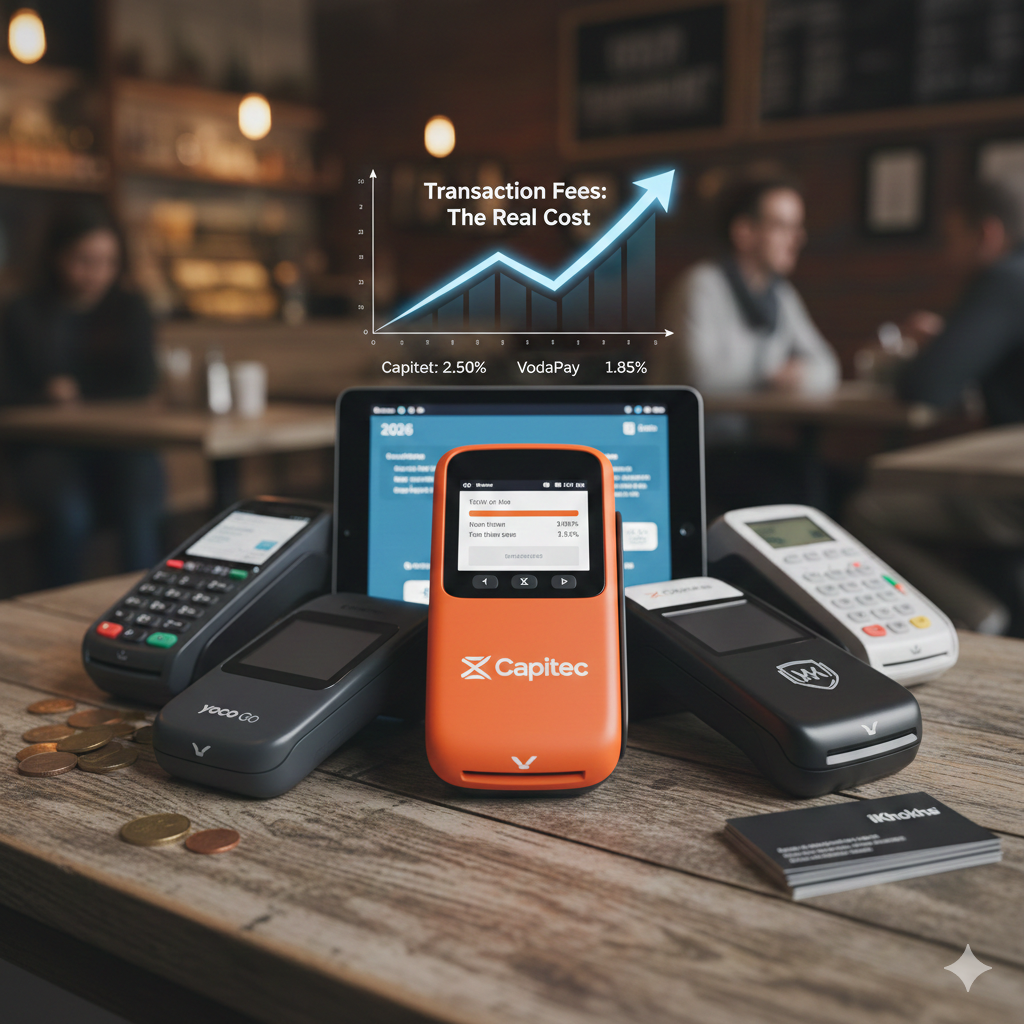
Evaluating Hardware Costs Against Transaction Fees
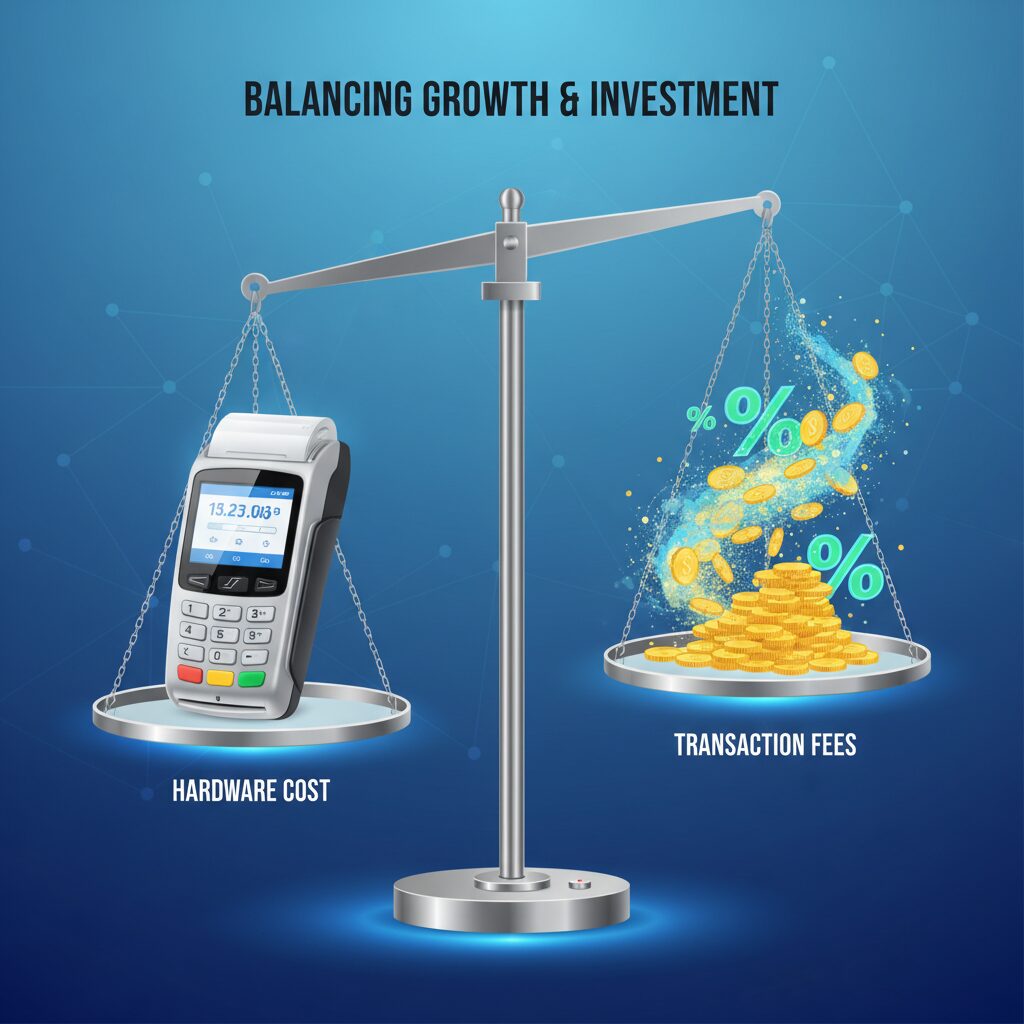
When assessing card machine pricing structures, two primary cost components must be considered:
- Upfront Hardware Cost: The once-off capital investment required to acquire the physical POS device.
- Transaction Fee: A percentage-based fee deducted from every transaction processed.
While a minimal card machine price is appealing, elevated transaction fees can significantly impact profitability over the long term. Consequently, finding the optimal swipe machine price model is contingent upon your organization’s projected transaction volume.
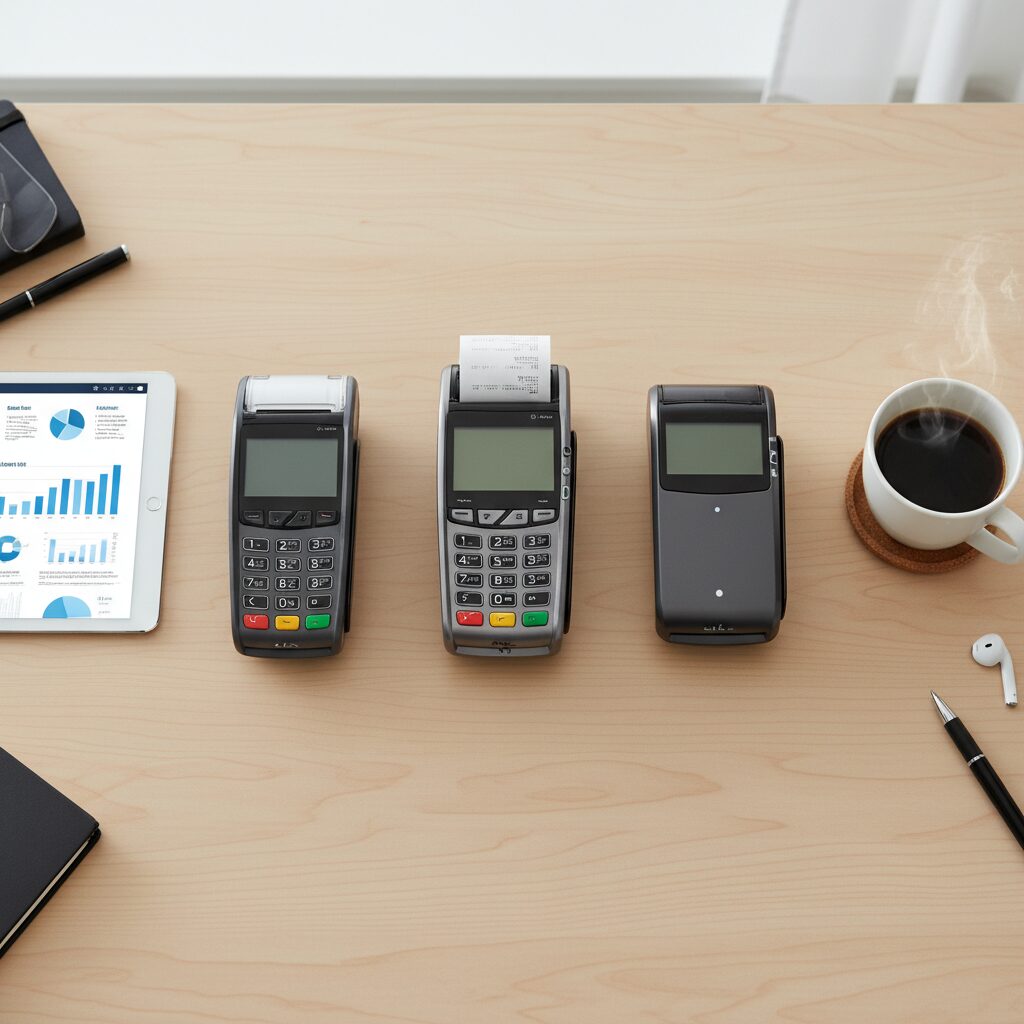
Comparative Analysis of Mobile Point-of-Sale (POS) Solutions
Mobile POS providers have disrupted the market by offering simplified pricing models without requiring long-term contractual commitments. Here is how the most prominent solutions compare.
| Provider | Upfront Hardware (ZAR) | Transaction Fee | Monthly Fees (ZAR) |
|---|---|---|---|
| Capitec | R599 | 2.50% (flat rate) | None |
| Yoco | From R799 | 2.95% + R2.50/day (on usage days) | None |
| VodaPay Kwika | R799 | 1.85% – 3% | None |
| iKhokha | Varies (often bundled) | From 2.75% (volume-dependent) | R75 (for SIM) |
Yoco Card Machine Price
Yoco is an established market leader recognised for its intuitive POS devices.
- Hardware Cost: The entry-level Yoco Go device has a once-off cost of R799.
- Transaction Fees: Yoco applies a transaction fee of 2.95%. An additional daily fee of R2.50 is charged on days the device is used, which can increase operational costs for businesses with consistent daily sales.
iKhokha Card Machine Price
iKhokha’s value proposition centers on tiered pricing, offering reduced rates as transaction volumes increase.
- Hardware Cost: iKhokha’s hardware pricing is frequently integrated into service bundles and is subject to variation.
- Transaction Fees: Fees commence at 2.75% and are structured to decrease as monthly turnover grows. A fixed R75 monthly SIM fee for standalone devices contributes to recurring operational overhead.
Capitec Card Machine Price
As a recent market entrant, Capitec leverages its extensive banking infrastructure to provide a highly competitive POS solution.
- Hardware Cost: At a R599 once-off price point, Capitec currently offers the most accessible hardware on the market.
- Transaction Fees: The provider offers a transparent, flat-rate fee of 2.50% with no associated monthly account or device fees, facilitating predictable cost management. This straightforward model is detailed in a comprehensive ranking of affordable card payment systems.
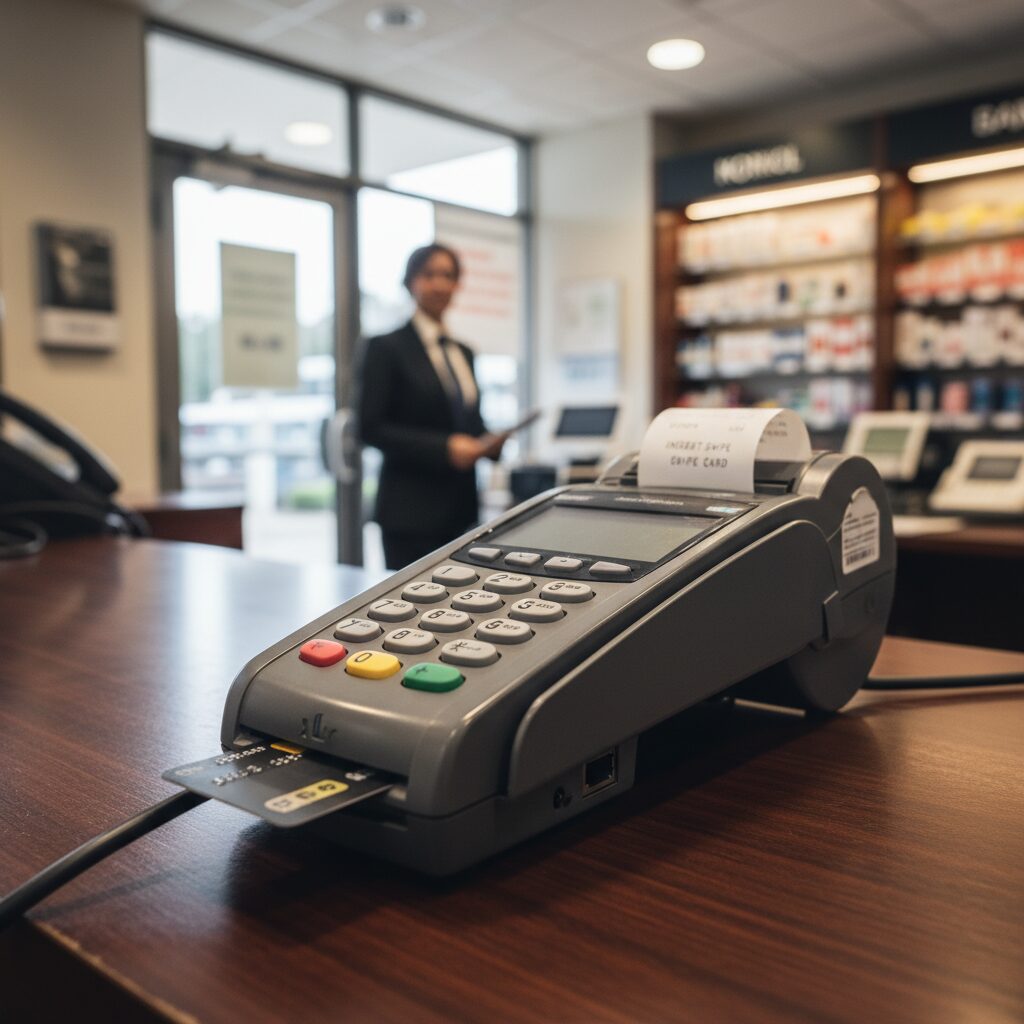
Traditional Bank-Issued Speed Point Terminals
Leasing a speed point terminal from a traditional financial institution, such as Nedbank, Standard Bank, or FNB, represents an alternative model. This approach is typically structured for established enterprises with high and consistent transaction volumes.
How Bank Rental Models Function
Instead of acquiring the device, your organization leases it for a recurring monthly fee, often bundled with a mandated business bank account.
- Hardware Cost: There is generally no significant upfront capital outlay, but businesses are committed to a monthly rental fee, which can range from R150 to R500+.
- Transaction Fees: Fee structures are highly variable and can be complex, often combining a percentage-based fee (e.g., ~2.75%) with ancillary charges related to the business bank account. For instance, Nedbank’s 2025 pricing guide outlines a detailed schedule of account and transaction-related fees, which can reduce the predictability of the total cost compared to mobile providers. You can review their detailed fee structure in the 2025 Everyday Banking Pricing Guide.
- Contracts: Bank rentals almost universally necessitate long-term contracts, which may lack the flexibility required to adapt to evolving business needs.
A card machine is a critical tool, but locking in a low card machine price is only step one.
If you want to understand how this hardware fits into your wider business operations, I recommend reading our comprehensive resource: POS System: The Ultimate Guide to Card Machines in South Africa.
Strategic Recommendation: Identifying the Best Card Machine Price
To determine the most economical option, a thorough analysis of your monthly transaction volume is required.
- For Lowest Hardware Acquisition Cost: Capitec is the definitive leader with its R599 once-off device, presenting the most accessible market entry point for a new business implementing its first payment terminal.
- For Low-Volume & Infrequent Transactions: Yoco or Capitec offer strong solutions. Their pay-as-you-go models with no fixed monthly fees ensure that costs are incurred only when sales are processed.
- For Growing & High-Volume Enterprises: VodaPay Kwika’s entry-level rate of 1.85% presents the lowest transaction fee for businesses processing substantial volume. For organizations with the capacity to negotiate custom rates, iKhokha or a traditional bank rental may prove more cost-effective.
As we have seen, a comprehensive assessment of a card machine price must extend beyond the initial hardware cost.
The key is to prioritize solutions with low, transparent transaction fees.
By doing so, you secure a payment infrastructure that supports sustainable financial growth.
Whether you choose a bank rental or a mobile provider, ensure your swipe machine price model maximizes revenue retention for 2026 and beyond.
Where Eezipay fits
If your goal is to minimize costs for a side hustle or startup, entry-level card machines work well—up to a point. But once you need negotiated rates that drop as your volume grows, or a system that integrates payments with inventory and staff management, you’ll get better results with a professional partner.
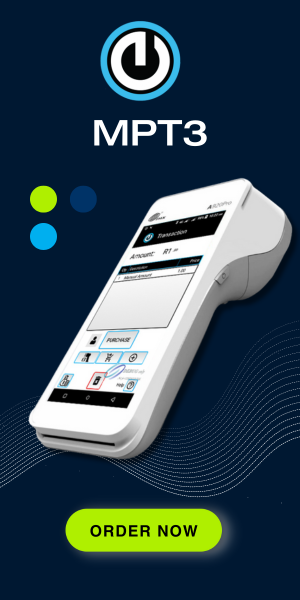
That’s where Eezipay fits—offering high-performance Smart POS hardware and transparent, volume-based pricing designed for South African businesses that need more than just a “swipe machine.”
Explore your next steps
View the Hardware: Explore Eezipay Smart POS & MPT Options – Compare professional devices built for high-speed, reliable transactions.
Request a Custom Quote: Book a 10-minute Demo – If your monthly turnover is growing, speak to our team about a custom rate that protects your margins.