What is a Virtual Payment and How Does a Virtual Card Work?
A virtual card operates as a digital-only counterpart to a physical card, and understanding how does a virtual card work starts with its role as a security layer. It shields your primary account details from merchants and potential malicious actors.
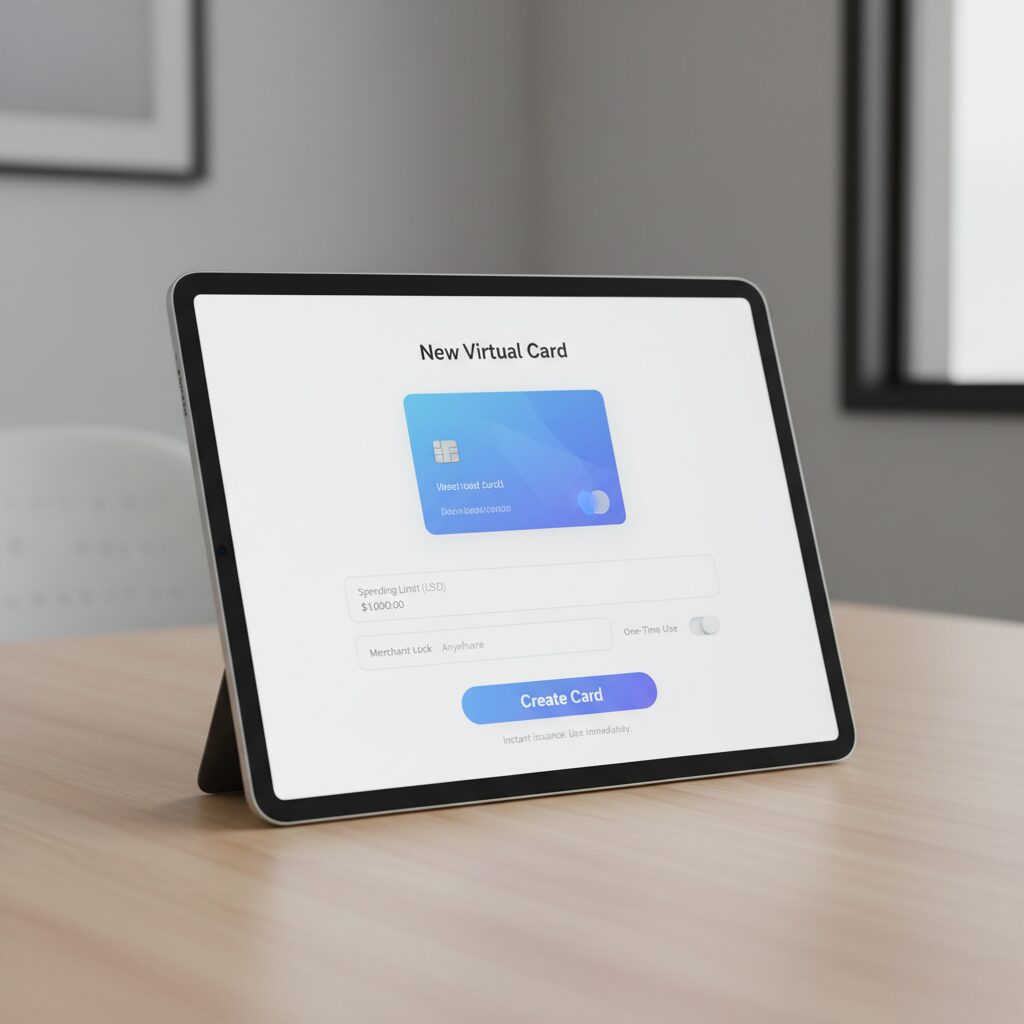
Leading South African financial institutions, including FNB and Capitec, facilitate the instant generation of virtual cards through their respective banking applications. The process is designed for efficiency:
- Access your corporate or personal banking application.
- Navigate to the card management section and select the option to create a virtual card.
- The platform will instantly generate a new card with a unique number, expiry date, and CVV. This quick setup is the secret to how does a virtual card work so effectively; it allows for an immediate virtual payment without the need for a physical card.
- Customisable controls often allow for setting specific spending limits or designating the card for single-use to maximise security.
Once created, these card details can be used for any online transaction in the same manner as a physical card.
How to Make a Virtual Payment Online: A Step-by-Step Guide
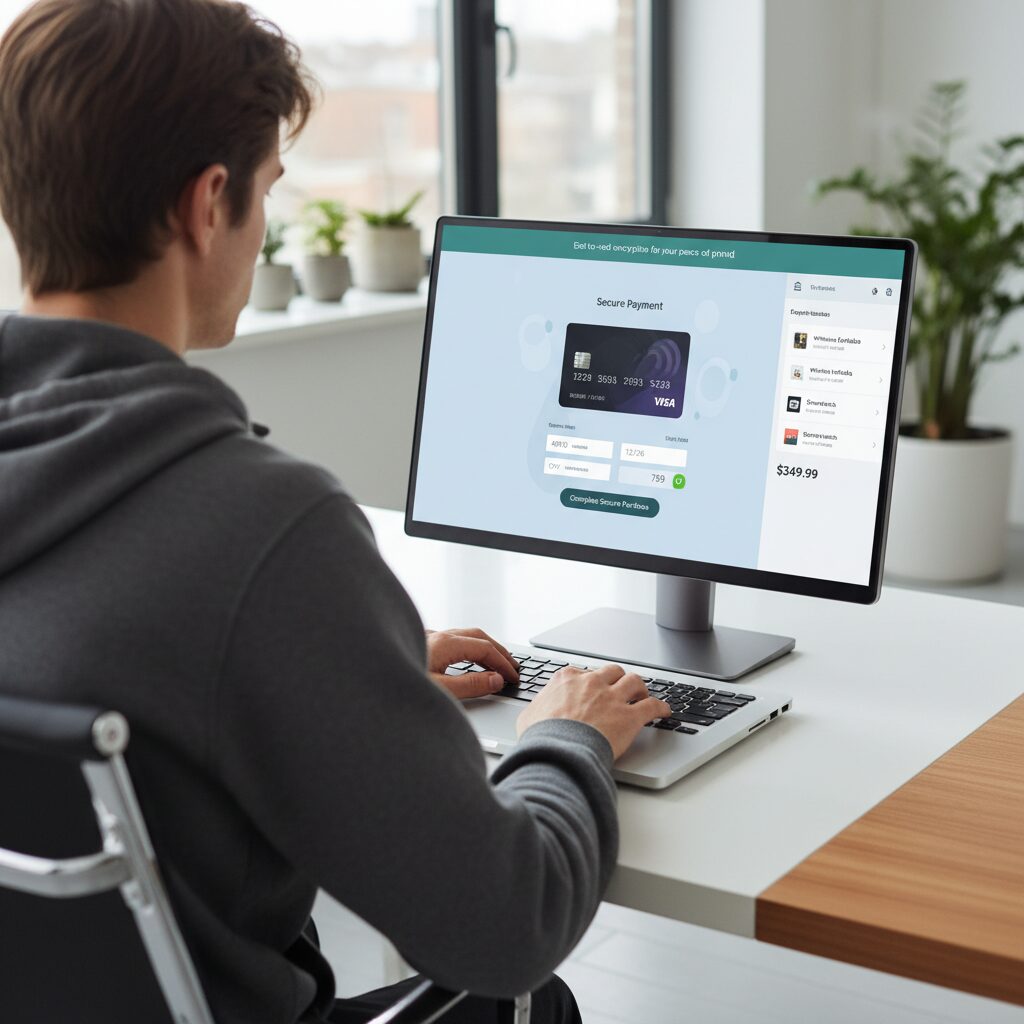
The process for using a virtual card is remarkably efficient, as merchants process it identically to any other credit or debit card. No specialised checkout option is required; you simply input the details provided by your financial institution.
Executing Payments on E-commerce Platforms (e.g., Takealot)
Utilising a virtual card for e-commerce adds a critical layer of security, particularly for high-value corporate procurements.
- Proceed to Checkout: Add selected items to the cart and advance to the payment gateway.
- Select Payment Method: Choose “Credit & Debit Card” as the payment option.
- Enter Virtual Card Details: When prompted, input the 16-digit number, cardholder name, expiry date, and the three-digit CVV from the generated virtual card.
- Complete Purchase: Finalise the transaction. The specified amount (in ZAR) will be debited from the linked funding account.
Best Practice: For one-time purchases, generate a single-use virtual card with a spending limit that precisely matches the transaction total. Upon completion, the card becomes inactive, rendering it useless in the event of a future data compromise.
How to Add a Virtual Card to Uber and Service Apps
Loading a virtual card onto a service platform like Uber is a strategic method for securing every virtual payment, protecting your primary account details from being stored across multiple third-party systems.
- Open the Application: Navigate to “Account” and select “Wallet” or “Payment.”
- Add Payment Method: Choose the option to “Add Payment Method” and select “Credit or Debit Card.”
- Input Card Details: Enter the virtual card’s number, CVV, expiry date, and the associated billing postcode.
- Save and Utilise: Save the card as a default payment method for all future services.
Securing Online Travel and Service Bookings (e.g., Intercape)
Booking corporate or personal travel online, whether with Intercape, Greyhound, or another provider, follows the same secure protocol.
- Select Your Itinerary: On the provider’s website, choose your departure point, destination, and travel dates.
- Proceed to Payment: At the checkout stage, select payment by credit or debit card.
- Enter Virtual Card Information: Complete the payment form with your virtual card details. As noted in a guide by Melio, this process is identical to using a physical card for an online transaction.
- Confirm Booking: Complete the payment to secure your ticket confirmation.

Core Advantages of Virtual Card Implementation
Integrating virtual cards into your online payment strategy offers several distinct operational advantages.
- Enhanced Data Security: The primary advantage is the robust protection of sensitive financial data. If a merchant’s system is compromised, your core account information remains secure. The affected virtual card can be deleted and replaced in seconds.
- Granular Transaction Control: Virtual cards empower users with precise control over spending. It is possible to set specific limits, assign cards to particular vendors (e.g., a card exclusively for software subscriptions), or instantly freeze and unfreeze them via the banking application.
- Instantaneous Issuance and Deployment: Virtual cards eliminate the logistical delays of physical card issuance. They are generated instantly and are available for immediate use, making them ideal for time-sensitive payments and procurement needs.
Operational Considerations and Limitations
While highly effective, virtual cards are primarily designed for “card-not-present” (CNP) transactions, such as those conducted online or by phone. Although they can be added to digital wallets like Google Pay or Apple Pay for contactless payments, they cannot be used at POS terminals that do not support tap-to-pay technology.
Furthermore, the refund process presents a different workflow. As detailed in an analysis by J.P. Morgan, refunds are credited back to the original funding account. However, tracking this refund may be less intuitive if the virtual card used for the purchase has since been deleted.
If you’re ready to go beyond basic payments
While virtual cards are a powerful security tool for online shopping, their effectiveness in the physical world depends on the hardware on the other side of the counter. If your goal is to provide a truly seamless experience for your customers, then standard card machines can work well—up to a point.
But once you need to accept every type of virtual payment, from digital wallets to mobile-based taps, you’ll get better results with a system that combines speed with modern hardware. That’s where Eezipay fits—with Mobile Payment Terminals designed to handle NFC-enabled “tap-to-pay” transactions with ease.
-
Next Step: Book a 15-minute demo call with our team
The Transition to a Digital Payment Ecosystem
Virtual cards represent a secure, strategic solution for managing modern online expenditures. Once you understand the mechanics of how does a virtual card work, you can master the virtual payment to transact with total confidence in the South African digital economy.
While a single virtual card is a great start for your security, it is even more powerful when used as part of a full business system. Whether you are managing employee spending or just looking for a better way to handle company cash, there is more to explore.
To see how these tools can work together for your team, read our complete guide: Virtual Card & Prepaid Cards: The Ultimate Guide for Your Business.