
Employee benefits administration can either drain your business through hidden costs and manual admin, or become a smarter system that improves control, efficiency, and profitability. For businesses managing payroll linked staff purchases, subsidised meals, uniforms, or on-site spending, the right framework can simplify daily operations while reducing waste and financial leakage. This guide reveals how automated staff spending ecosystems help businesses unify multiple staff benefits into one streamlined solution that saves time, strengthens oversight, and supports long-term growth.
Read on to discover how smarter staff spending systems can transform operational complexity into strategic business value.
What Is an Automated Staff Spending Ecosystem for Employee Benefits Administration?
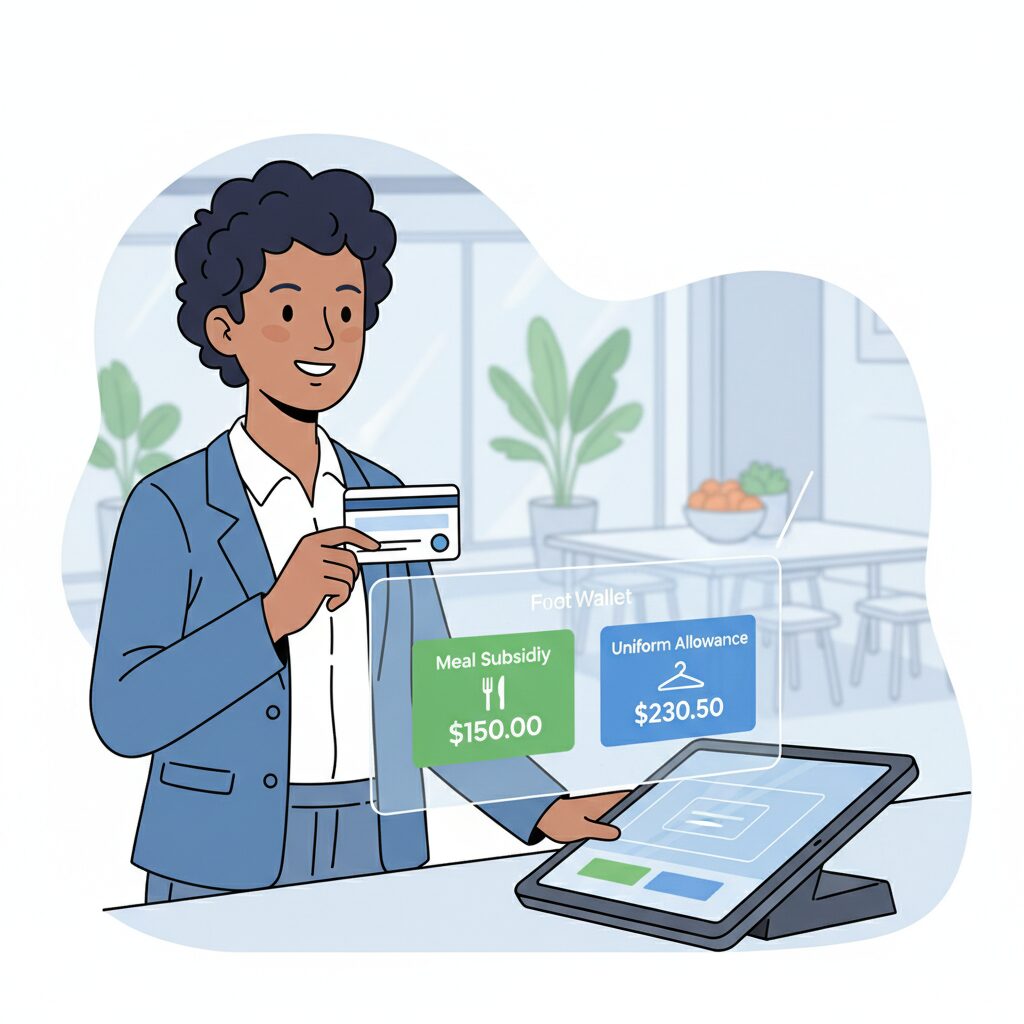
Imagine a private, intelligent payment network built specifically for your workplace. An automated staff spending ecosystem links your team directly to every on-site facility using one streamlined platform, completely transforming employee benefits administration.
It brings three main areas together:
One Simple Identity for Smarter Staff Spending Control
Forget juggling multiple cards or paper vouchers. Each staff member uses a single method to identify themselves, whether that is their regular company access card, a quick biometric scan, or a mobile app. This single profile becomes their universal pass for every service on the premises.
The Smart Digital Wallet
Instead of managing physical cash or complex claims, employees receive a digital wallet divided into specific, customizable allowances. You can easily set up separate budgets tailored to different needs. For example, you might allocate an R45 daily canteen subsidy, an R3,000 annual uniform budget, or a set limit for payroll linked staff purchases at the company tuck shop.
Connected Checkouts
Every place your team spends money on site is connected. The canteen, the coffee bar, vending machines, and the uniform store all communicate with the same central hub. Furthermore, this network plugs straight into your core business systems, updating your HR and finance software automatically in the background.
The real power here lies in the automation. You set the eligibility rules, spending limits, and pricing just once. The system instantly enforces these rules right at the till. This completely removes the need for manual checks, ensuring every single transaction is accurate, compliant, and effortlessly recorded.
Why Employee Benefits Administration Suffers From Siloed Systems
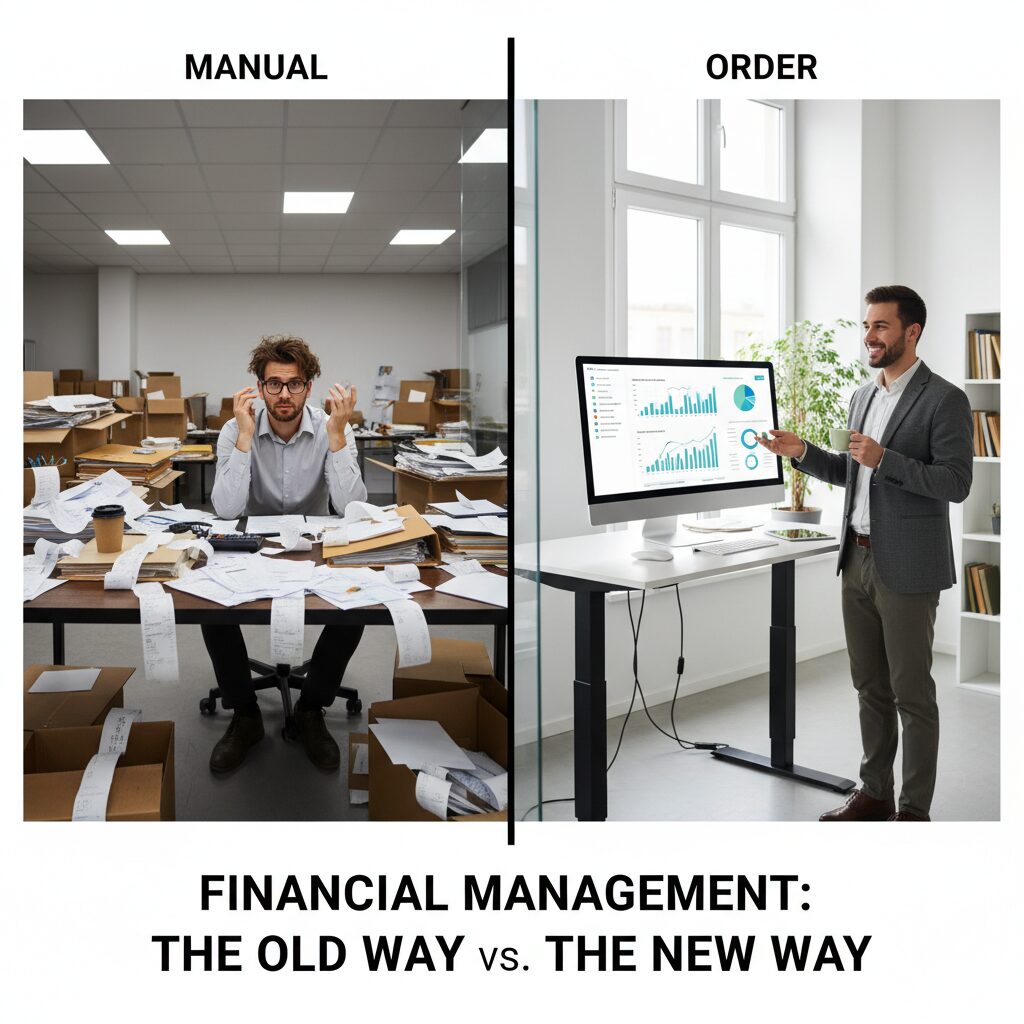
Many organisations accept disconnected systems as part of daily operations, assuming manual processes, separate platforms, and administrative inefficiencies are simply unavoidable. In reality, these outdated ways of managing staff spending often create hidden costs that reduce profitability, complicate employee benefits administration, and negatively impact the overall employee experience.
Legacy Manual Systems vs Unified Automated Ecosystem
Before leaders can fully understand the value of digital transformation, they need a clear picture of what disconnected systems are really costing the business. From payroll linked staff purchases to canteen subsidies and vendor management, the gap between manual administration and a unified ecosystem affects far more than operations. It influences financial performance, efficiency, and employee satisfaction.
| Operational Area | Legacy / Siloed Systems | Unified Automated Ecosystem |
|---|---|---|
| Subsidy Tracking | Paper vouchers, spreadsheets, fraud risk | Real-time digital wallet with audit trail |
| Payroll Deductions | Manual reconciliation, frequent errors | Automated payroll-linked deductions |
| Vendor Oversight | Multiple invoices, inconsistent reporting | Single source of truth |
| Employee Experience | Cash, queues, confusion | Tap-and-go convenience |
| Compliance | Difficult SARS audit readiness | Automated digital compliance records |
| Data Visibility | No centralised reporting | Live dashboards and analytics |
The operational gap is difficult to ignore. What often begins as separate administrative processes can quickly evolve into costly inefficiencies that impact finance, compliance, and employee satisfaction. By replacing disconnected systems with one integrated framework, organisations gain stronger oversight, better cost control, and a more modern approach to employee benefits administration.
The Core Components of a Modern Staff Spending Ecosystem
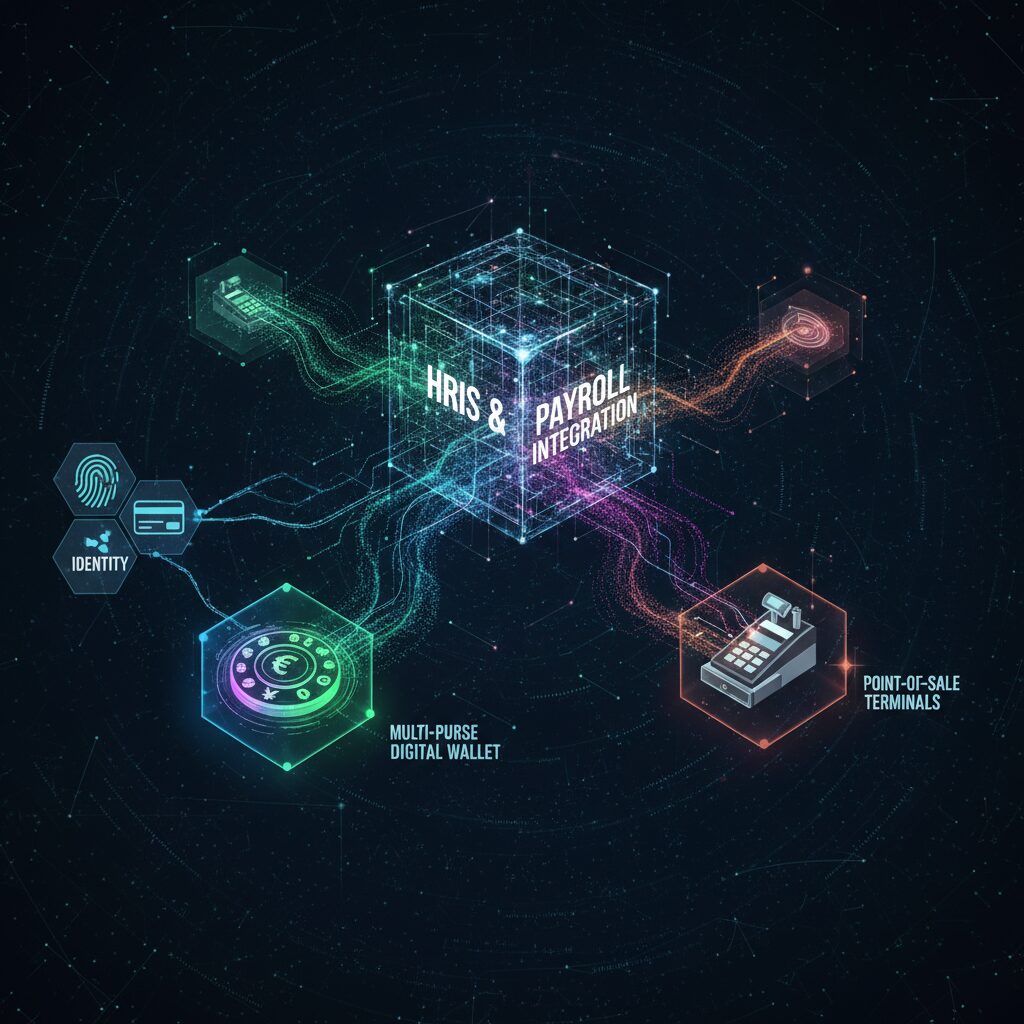
A strong staff spending ecosystem brings together several essential technology layers into one connected framework. When these layers work together seamlessly, businesses can simplify employee benefits administration, improve operational control, and create a more efficient system for payroll linked staff purchases.
Identity and Access Layer
This layer serves as the foundation of the entire ecosystem. Your existing employee identification method, whether it is an RFID access card, a QR code within a mobile app, or biometric verification, becomes the secure payment token employees use across all approved services. By connecting directly to your HRIS, this layer uses real-time employee data such as role, department, shift schedule, and employment status to automatically enforce eligibility rules without manual oversight.
Core Wallet Types for Payroll Linked Staff Purchases
A modern platform goes far beyond a single employee balance. Instead, each employee receives a digital wallet built with multiple dedicated purses, each designed for a specific purpose within your employee benefits administration strategy. Every purse operates according to its own rules, giving organisations precise control over subsidies, allowances, and payroll linked staff purchases while maintaining flexibility for different employee needs.
| Wallet Type | Purpose | Example Rules | Business Benefit |
|---|---|---|---|
| Canteen Subsidy Wallet | Daily subsidised meals | R45/day, lunch hours only | Nutritional support + controlled spend |
| Uniform/PPE Wallet | Role-specific equipment | Annual allowance, category restrictions | PPE compliance |
| Payroll-Linked Credit Wallet | Staff purchases via salary deduction | Monthly spend cap | Cashless convenience |
Together, these dedicated wallets create a more agile and controlled alternative to traditional one-size-fits-all allowances. Rather than relying on manual oversight or disconnected spending systems, organisations can manage each benefit individually while still operating through one unified platform. This strengthens employee benefits administration by ensuring every subsidy, allowance, and payroll linked staff purchase is automatically tracked, policy-driven, and aligned with business goals.
Point-of-Sale (POS) and Acceptance Network
For a staff spending ecosystem to work effectively, every on-site purchase point needs to connect to the same central platform. This creates one consistent system for tracking, control, and employee benefits administration across all approved services.
- Canteen & Coffee Bar POS: When employees use their token, the system instantly applies the correct pricing, subsidy, and time-based rules automatically.
- Vending Machines: Cashless readers can be added to connect vending purchases directly to the employee wallet system.
- Tuck Shops & Convenience Stores: An integrated POS tracks every transaction while separating subsidised essentials from employee-funded purchases.
- Uniform Stores: Product access is linked to HR role data, ensuring staff can only purchase approved PPE, uniforms, or equipment relevant to their position.
The Integration Layer (HRIS, Payroll, ERP)
This layer turns multiple digital tools into one connected business ecosystem. Through API integrations, information moves automatically between systems, improving accuracy while reducing administrative workload.
- HRIS Integration: New hires, terminations, and employee role changes sync automatically, ensuring benefit allocations remain accurate without manual updates.
- Payroll Integration: At the end of each cycle, the system generates one consolidated file for salary deductions, reducing payroll linked staff purchases administration and significantly lowering processing errors.
- ERP/Finance Integration: Employer subsidy costs are automatically assigned to the correct ledger codes and cost centres, giving finance teams clearer oversight while simplifying reconciliation.
Analytics, AI, and the Policy Engine
The real strategic value of a modern ecosystem comes from how effectively it uses data.
- Policy Engine: HR and operations teams can configure detailed spending rules from one dashboard. For example, night-shift workers may receive a full meal subsidy, while office staff may receive a capped lunch allowance during specific hours.
- Dashboards and Reporting: Real-time reporting provides visibility into departmental spend, benefit usage, and purchasing trends.
- AI and Machine Learning: Advanced platforms can forecast demand, reduce food waste, and identify unusual transaction behaviour that may indicate misuse or fraud.
The ROI: Moving Beyond Cost Savings
A unified staff spending ecosystem delivers value far beyond administrative convenience. Its return on investment can be measured across financial performance, workforce productivity, and long-term business strategy.
| ROI Category | Key Value | Business Outcome |
|---|---|---|
| Hard ROI | Fraud reduction, lower admin, waste reduction | Direct savings |
| Soft ROI | Employee convenience, morale, productivity | Workforce efficiency |
| Strategic ROI | Data insights, ESG, scalability | Long-term growth |
Hard ROI (Direct Financial Impact)
These are the measurable savings that directly impact operational budgets.
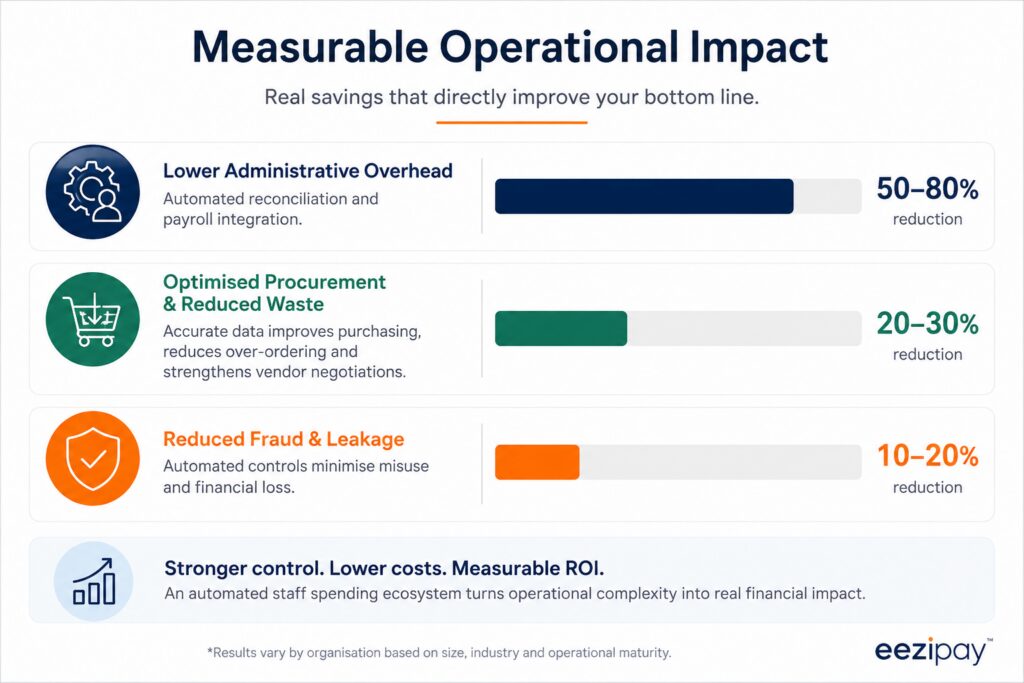
- Reduced Fraud and Leakage (10–20%): Replacing manual systems with automated controls reduces misuse and financial loss. For a business with a R5 million annual canteen subsidy budget, even a 10% reduction can generate substantial savings.
- Optimised Procurement and Reduced Waste (20–30%): Accurate spending data improves purchasing decisions, reduces over-ordering, and strengthens vendor negotiations.
- Lower Administrative Overhead (50–80%): Automated reconciliation and payroll integration free HR and finance teams from repetitive manual tasks.
Soft ROI (People and Productivity)
These benefits improve daily operations and strengthen workforce support.
- Streamlined Employee Experience: Tap-and-go access makes on-site spending faster, simpler, and more secure.
- Improved Morale and Retention: When benefits are easy to access and clearly managed, employees are more likely to recognise and value them.
- Productivity Gains: Faster transactions and shorter queues mean employees spend less time navigating on-site services and more time focused on work.
Strategic ROI (Data-Driven Decision Making)
This is where the ecosystem evolves from an operational tool into a strategic asset.
- Actionable Workforce Insights: Businesses gain clearer visibility into which benefits are used, valued, and underutilised.
- Enhanced Employer Brand and ESG Reporting: Better access to essential benefits, combined with reduced waste, supports stronger employer positioning and ESG initiatives.
- Future-Proof Scalability: Once established, the framework can expand to include additional services such as transport, parking, or wellness programmes.
A Practical Blueprint for Implementation
Moving to a unified ecosystem is best approached in clear, manageable phases.
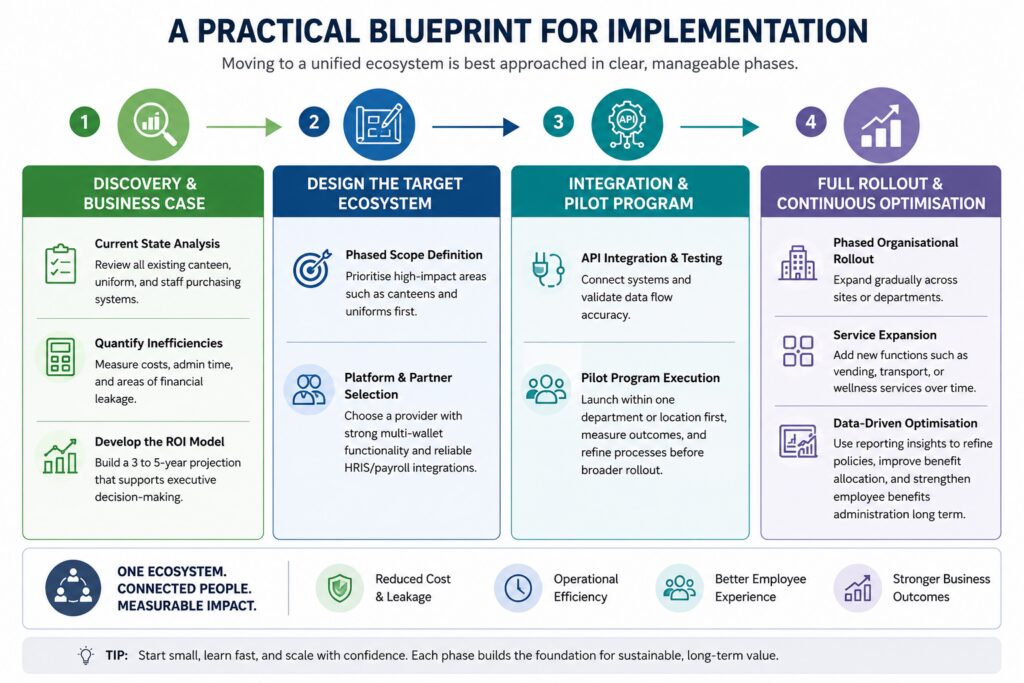
1. Discovery and Business Case
- Current State Analysis: Review all existing canteen, uniform, and staff purchasing systems.
- Quantify Inefficiencies: Measure costs, admin time, and areas of financial leakage.
- Develop the ROI Model: Build a 3 to 5-year projection that supports executive decision-making.
2. Design the Target Ecosystem
- Phased Scope Definition: Prioritise high-impact areas such as canteens and uniforms first.
- Platform and Partner Selection: Choose a provider with strong multi-wallet functionality and reliable HRIS/payroll integrations.
3. Integration and Pilot Program
- API Integration and Testing: Connect systems and validate data flow accuracy.
- Pilot Program Execution: Launch within one department or location first, measure outcomes, and refine processes before broader rollout.
4. Full Rollout and Continuous Optimisation
- Phased Organisational Rollout: Expand gradually across sites or departments.
- Service Expansion: Add new functions such as vending, transport, or wellness services over time.
- Data-Driven Optimisation: Use reporting insights to refine policies, improve benefit allocation, and strengthen employee benefits administration long term.
Turning Strategy Into Execution: Choosing the Right Technology Partner
For businesses looking to improve employee benefits administration, success depends on choosing a solution that can bring everyday staff spending into one simple, manageable system. From payroll linked staff purchases and subsidised meals to uniform allowances and spend tracking, the right platform should make administration easier, not more complicated.
This is where Eezipay can play an important role. By bringing staff payments, payroll integration, digital wallets, and real-time oversight together, businesses can manage multiple employee benefits through one connected system.
Understanding the strategy is one thing. Putting it into practice is where the real transformation happens.
Instead of dealing with paper vouchers, separate suppliers, or time-consuming reconciliations, organisations can simplify how staff benefits are managed while improving control, convenience, and visibility.
The goal is not just to replace outdated processes. It is to create a smarter, more efficient way to manage staff spending that supports both business performance and the employee experience.
How Employee Benefits Administration Becomes a Strategic Business Asset
The businesses that gain the most value are often the ones that simplify sooner. When staff spending becomes easier to manage, everyday operations become clearer, faster, and far more scalable. Stronger employee benefits administration is not just about solving today’s admin challenges. It is about building a business that is better prepared for growth.
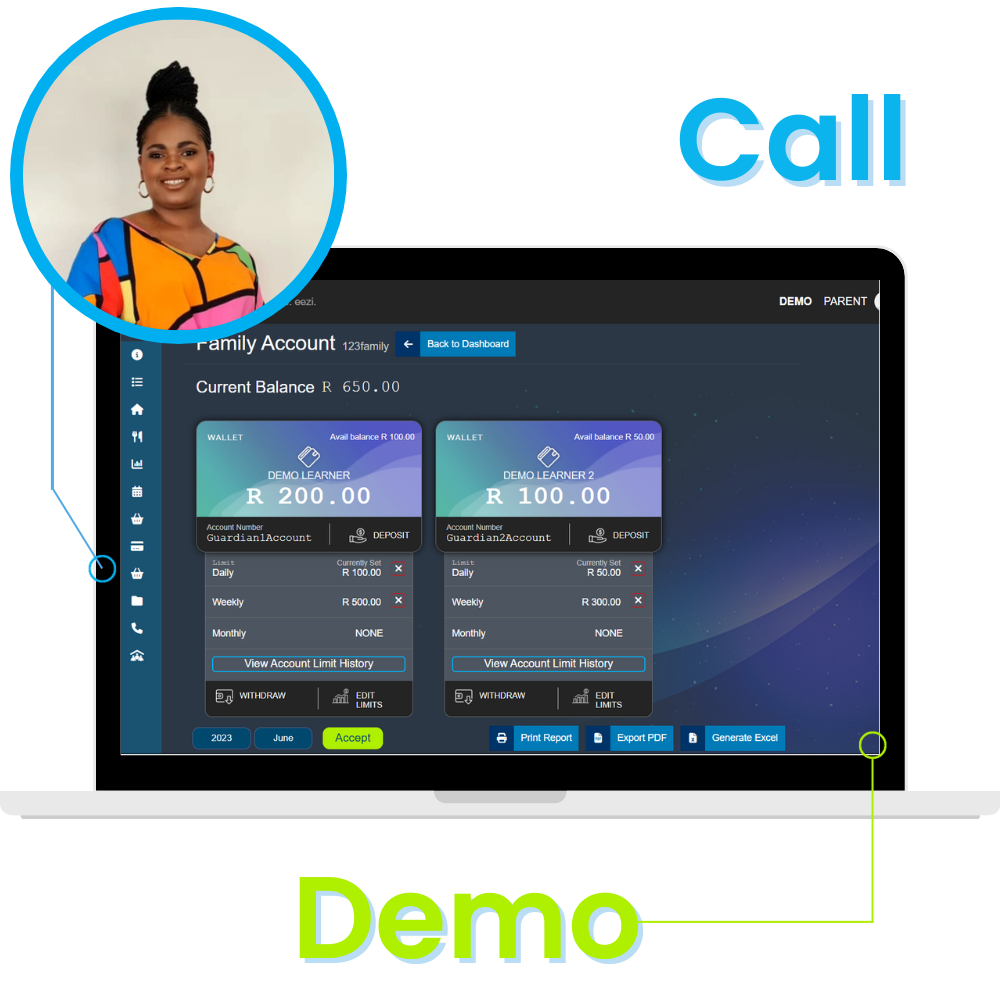
If you are ready to explore a smarter way to modernise staff spending, book a 15-minute demo call with the Eezipay team and see how the right system can support your next stage of operational efficiency.