Contactless card payments (CCP) have become increasingly popular in recent years, especially in light of the COVID-19 pandemic. With their ability to reduce the risk of infection transmission, contactless payments have become an attractive option for many businesses, including hospitals and medical facilities. In this blog post, we will explore the impact of CCP on healthcare operations and efficiency in South Africa. We will also provide practical tips and insights on how to incorporate Eezipay’s cashless integrated payment system that uses contactless cards into your hospital’s daily routines.
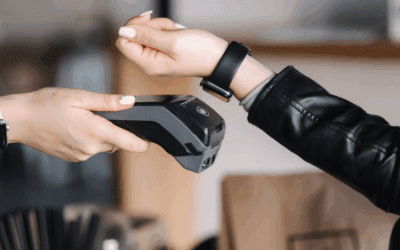
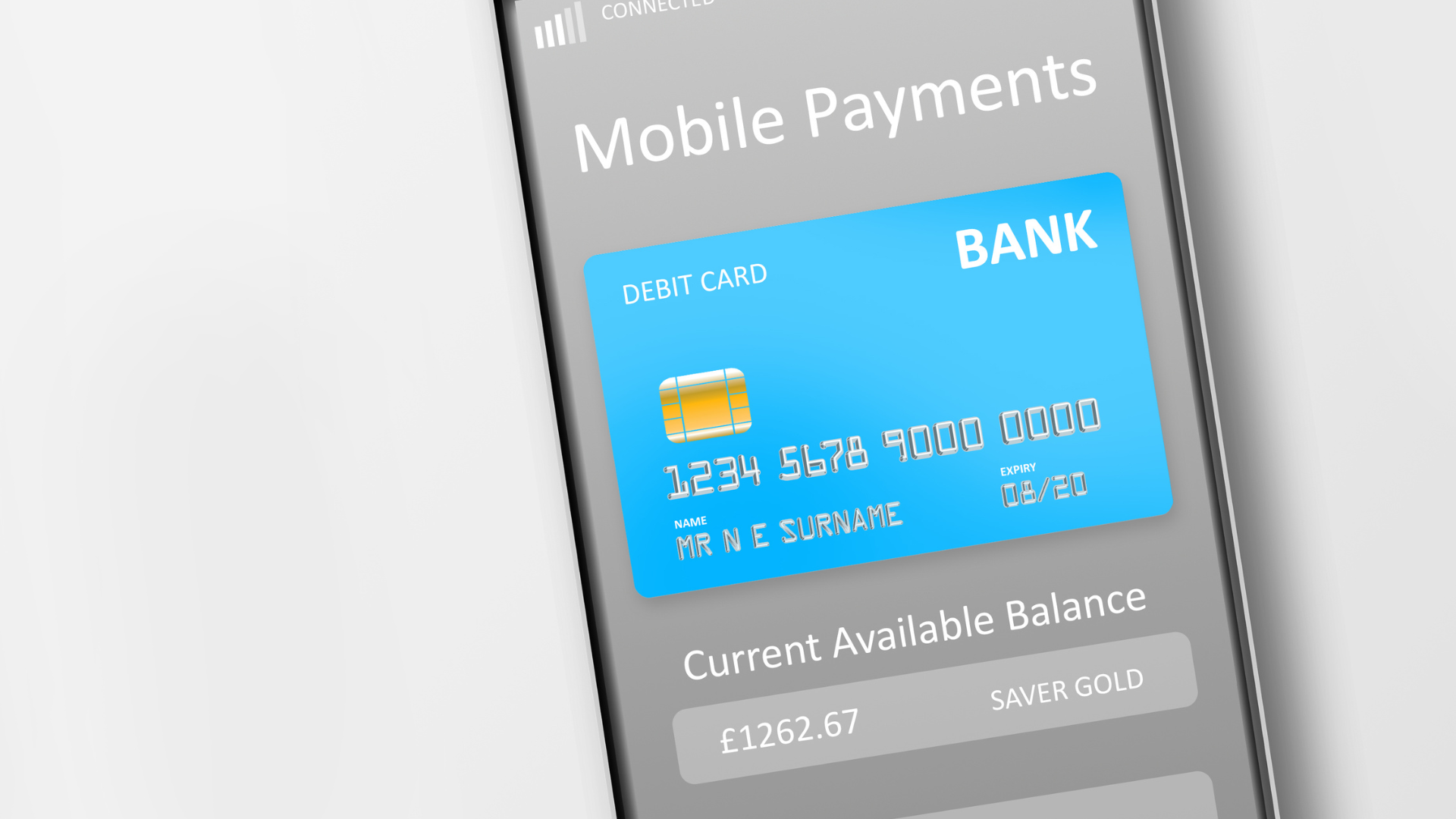
Contactless cards, also known as tap-and-go or near-field communication (NFC) cards, allow payments to be made without the need for physical contact. These cards are typically linked to a bank account or credit card and can be used to make payments for various goods and services, including medical expenses. By using contactless cards for payments, hospitals can reduce the risk of infection transmission, speed up payment processing times, and improve the overall patient experience.
In the next section, we will provide practical tips for incorporating CCP into hospital routines.
Practical tips for incorporating CCP’s into hospital routines
Importance of CCP’s in healthcare
Proof supporting CCP’s in healthcare
Ready for a Contactless Card?
Practical tips for incorporating contactless card payments into hospital routines
Implementing CCP in a hospital requires a well-thought-out plan and a system that is easy to use for both staff and patients. Here are some practical tips to help you incorporate contactless card payments into your hospital routines:
- Choose the right integrated payment system for your hospital: There are several integrated payment systems available in South Africa that offer contactless card payments. When choosing a system, consider the size of your hospital, the number of patients you serve, and the types of payments you need to accept. Look for a system that integrates with your hospital’s existing software and is easy to use for staff and patients.
- Train staff to use CCP: Training your staff on how to use the integrated payment system is crucial for its success. Ensure that all staff members who handle payments receive adequate training on how to use the system. This includes how to set up and process payments, how to troubleshoot common issues, and how to ensure the security of patient data.
- Create a seamless payment experience for patients: Patients should be able to make payments easily and quickly, without the need for complicated processes or long wait times. Consider implementing self-service kiosks or mobile payment options that allow patients to make payments quickly and easily. Ensure that your staff members are available to assist patients who may need help with the payment process.
By implementing these practical tips, you can make the transition to contactless card payments in your hospital a smooth one. In the next section, we will discuss the importance of CCP in healthcare.
Importance of contactless card payments in healthcare
CCP’s can have a significant impact on healthcare operations and efficiency. Here are some reasons why contactless card payments are important in healthcare:
- Reduced risk of infection transmission: CCP’s reduce the need for physical contact, which is crucial in healthcare settings where infection transmission is a risk. By eliminating the need for cash transactions and reducing the handling of payment cards, hospitals can minimize the risk of transmission of infectious diseases.
- Faster payment processing times: Contactless card payments are processed more quickly than cash or traditional card payments, which can help hospitals streamline their payment processes. This means that staff can spend less time processing payments and more time focusing on patient care.
- Increased patient satisfaction and convenience: Patients appreciate the convenience of CCP’s, especially in healthcare settings where they may be dealing with illness or injury. By offering contactless payments, hospitals can improve the patient experience and increase patient satisfaction.
By implementing contactless card payments, hospitals can improve their operations and efficiency while also enhancing the patient experience. In the next section, we will discuss the scientific evidence supporting contactless card payments in healthcare.
Proof supporting contactless card payments in healthcare
There is scientific evidence to support the implementation of contactless card payments in healthcare. Here are some studies and data points that demonstrate the benefits of contactless card payments:
- Studies on the impact of cashless payments in reducing infection transmission: A study published in the Journal of Hospital Infection found that banknotes and coins were highly contaminated with bacteria and viruses, including potentially pathogenic organisms. The study recommended that the use of contactless payment methods, such as contactless cards, be promoted in healthcare settings to reduce the risk of transmission of infectious diseases.
- Data on the efficiency gains of implementing contactless payment systems: A report by McKinsey & Company found that contactless payment systems can improve payment processing times by up to 30%, reducing the time and resources required for payment processing. This can help hospitals improve their operations and efficiency, leading to cost savings and improved patient outcomes.
By incorporating contactless card payments into their payment systems, hospitals can benefit from improved efficiency, reduced risk of infection transmission, and increased patient satisfaction. In the next section, we will summarize the key points of this blog post and provide a call-to-action.
Ready for a Contactless Card?
In conclusion, implementing contactless card payments in hospitals can have a significant impact on healthcare operations and efficiency in South Africa. By reducing the risk of infection transmission, improving payment processing times, and enhancing the patient experience, contactless card payments offer many benefits for healthcare providers.
To incorporate contactless card payments into your hospital’s daily routines, it’s important to choose the right integrated payment system, train staff to use the system effectively, and create a seamless payment experience for patients. Additionally, scientific evidence supports the use of contactless card payments in healthcare, including studies that demonstrate the effectiveness of cashless payments in reducing infection transmission and data that shows the efficiency gains of implementing contactless payment systems.
At Eezipay, we offer a cashless integrated payment system that uses contactless cards, helping hospitals and medical facilities to streamline their payment processes and improve the overall patient experience. We encourage you to try incorporating our system into your daily routines to see the benefits for yourself.
In conclusion, by implementing contactless card payments in healthcare, hospitals can enhance their operations and efficiency while also providing a safer and more convenient experience for their patients.