Corporate canteen operations are changing rapidly as organisations move away from cash, paper vouchers, and manual payroll deductions toward smarter, digital-first systems. A modern corporate canteen now contributes to employee wellbeing, operational efficiency, cost control, and compliance — yet many companies still face long queues, reconciliation delays, and an increasing administrative load for HR and Finance.
Digital wallet technology is reshaping this environment entirely. By replacing cash or slip-based systems with a secure, controlled wallet, businesses gain real-time visibility, automate reporting, and reduce friction for both employees and catering teams. Staff enjoy a fast tap-to-pay experience, while Finance teams benefit from accurate, audit-ready data.
This guide explains how digital wallets work in corporate canteens, the operational benefits they unlock, how they enhance employee experience, and how companies are already seeing measurable improvements by shifting to a cashless, controlled ecosystem.
Table of Contents
What Is a Corporate Canteen?
A corporate canteen is an employer-operated or employer-supported dining facility that provides staff with convenient access to meals during the workday. Found in hotels, corporate campuses, factories, educational facilities, and agricultural operations, the canteen serves multiple strategic functions: improving productivity, supporting staff well-being, and enabling predictable meal cost management.
Traditional corporate canteens often rely on cash tills, paper vouchers, or informal credit accounts. These processes introduce delays, reconciliation challenges, and opportunities for human error. HR and Finance teams frequently spend hours matching slips, resolving discrepancies, or processing manual deductions.
A digital wallet simplifies this ecosystem. Instead of cash or paper methods, employees use a card or mobile app linked to a controlled digital wallet. Spending rules, limits, and approved categories are enforced automatically. Transactions update instantly, creating a secure, friction-free experience for both staff and administrators.
What Is a Workplace Canteen?
A workplace canteen follows the same concept but applies more broadly to environments where employers centralise food access for staff, such as farms, hospitality schools, and factory sites. The challenges remain consistent: peak-time congestion, reconciliation bottlenecks, and a lack of spend control.
Digital wallets resolve these issues by digitising payments, automating subsidies, and ensuring controlled, compliant access to meals.
To understand how employers can control spend, manage rules, and ensure compliance in these environments, see our guide on Closed-Loop Wallet Systems: Control, Compliance, and Convenience.
Why Corporate Canteens Are Moving to Digital Wallet Technology
Corporate canteens increasingly form part of broader workplace transformation strategies. As organisations focus on efficiency, staff wellbeing, hygiene, and financial governance, traditional cash-based models no longer meet operational expectations.
Digital wallet systems provide the speed and certainty needed in high-volume service environments. They eliminate manual, automate subsidies, and enable predictable settlement for Finance teams. HR gains rule-based governance, and canteen operators gain consistent service flow.
Key Challenges With Traditional Canteen Models
Traditional systems often struggle with:
- Slow queues caused by cash handling and manual POS entry
- Paper slips requiring monthly reconciliation
- Informal credit systems influencing payroll workloads
- No systemic spend or category controls
- High admin burden for Finance and HR
- Limited visibility into spend patterns or operational performance
Digital wallets address these issues by introducing real-time deduction, automated limits, and consistent reporting across meal periods and service points.
How a Digital Wallet Works in a Corporate Canteen
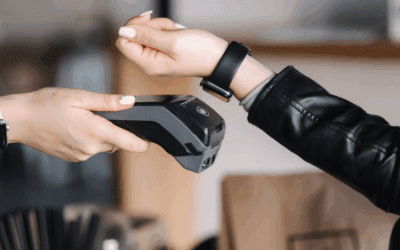
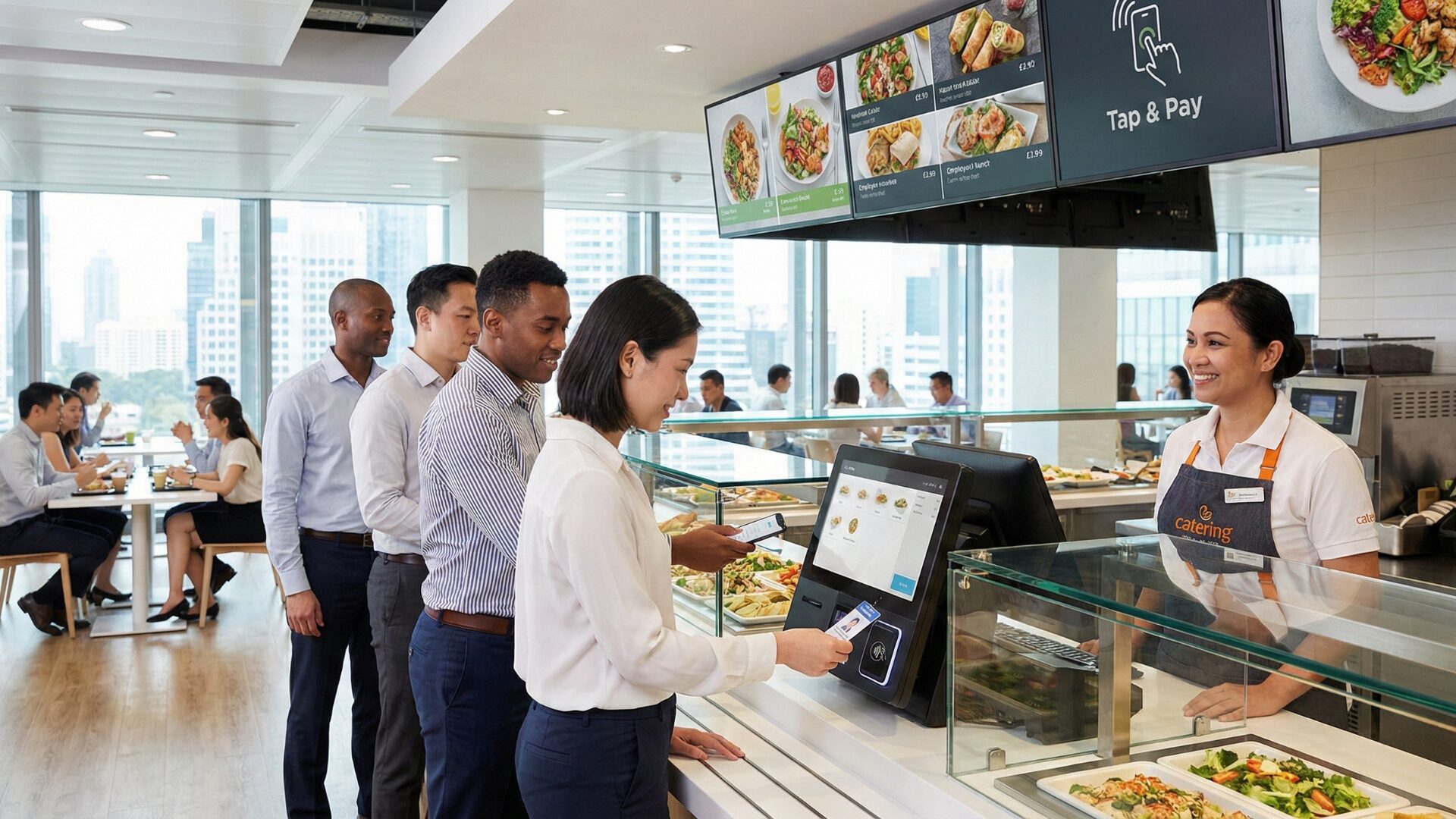
A digital wallet replaces cash and manual deduction systems with a secure, closed-loop payment method. Each employee is issued a card or app login linked to their profile. When they tap at the point of sale, the transaction is deducted instantly and appears in the reporting dashboard in real time.
Organisations can choose from several wallet funding models:
- Employer-funded allowances
- Bulk float allocation
- Payroll credit model where deductions occur at month-end
- Fringe-benefit voucher model where tax applies only to the consumed value
Regardless of the funding structure, the digital wallet introduces consistent governance. Spend rules, product restrictions, and time-based limits are automatically applied, ensuring allowances are used for their intended purpose and remain compliant with company policy.
The system also improves canteen flow. Transactions process in seconds, reducing queues and allowing catering teams to focus on service rather than handling cash or slips.
The Employee Journey
- Staff receive an NFC card or mobile app login linked to their wallet.
- HR or Finance sets monthly allowance limits and rules.
- Employees tap to pay at the canteen POS.
- Balances update instantly and can be viewed at any time.
- If payroll-linked, a deduction export is automatically generated at month-end.
This creates a seamless, predictable payment experience — particularly valuable in shift-based environments where break times are tightly managed.
The Corporate Journey: Admin & Reporting Flow
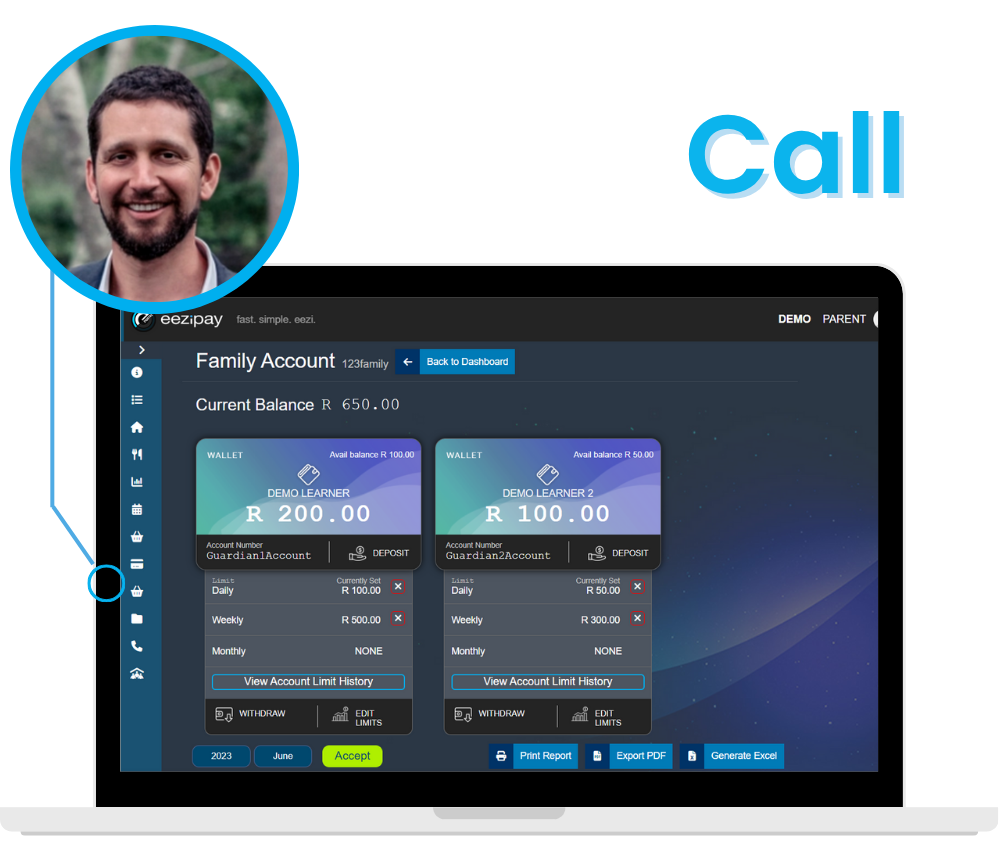
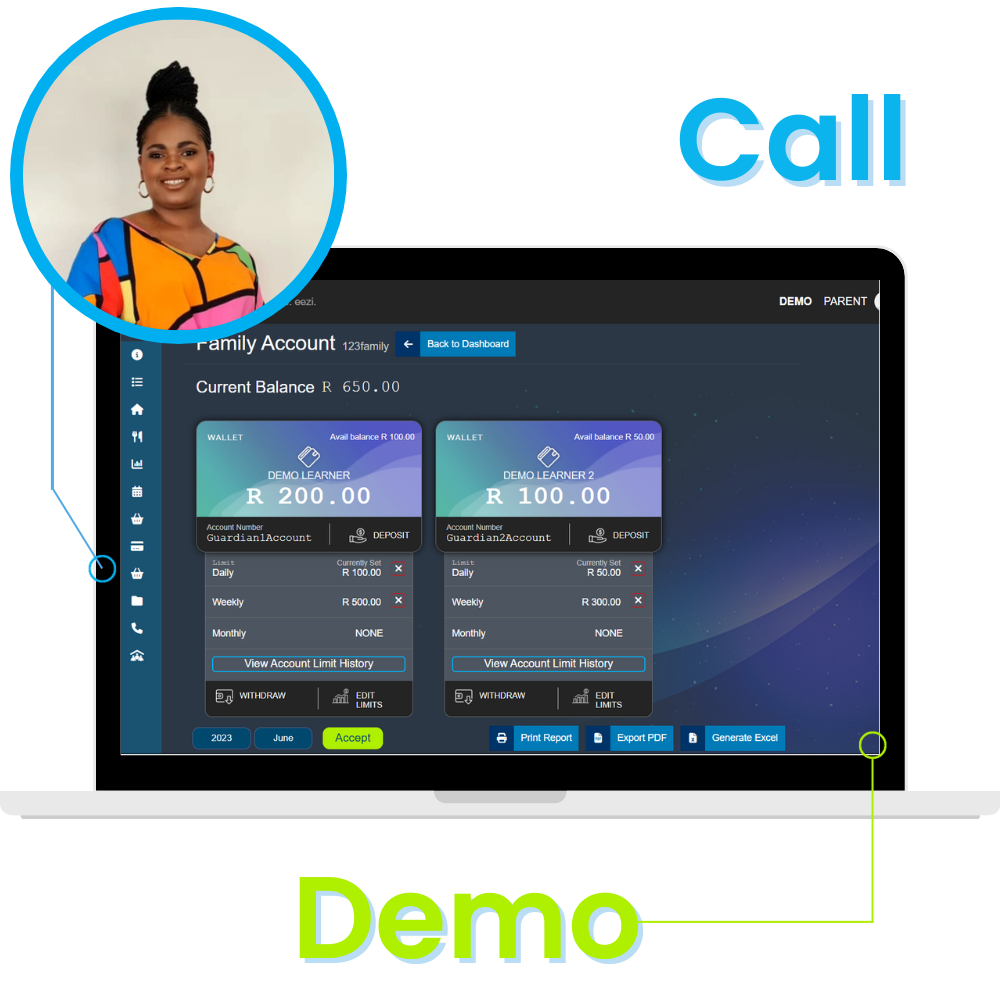
From an administrative perspective, the digital wallet becomes a controlled ledger. HR can register staff, update permissions, or block lost cards instantly. Finance views live spend reports, monitors settlement totals, and integrates export files directly into payroll.
This structured digital foundation mirrors improvements seen in organisations operating multiple outlets or complex staff meal programmes, where instant visibility significantly reduces administrative load.
Operational Benefits of a Digital Wallet in Your Corporate Canteen
A digital wallet turns the corporate canteen into a high-functioning, predictable service line. Instead of reconciling slips or resolving disputes, teams operate from a single digital record. Every transaction is time-stamped, categorised, and audit-ready.
1. Faster Service and Shorter Queues
Digital wallet payments dramatically reduce queue times. Tap-to-pay transactions take seconds, enabling canteens to serve significantly more staff during peak periods. For hotels, university campuses, and factory sites, this reduction in congestion improves both productivity and staff satisfaction.
2. Reduced Admin Load for HR & Finance
Digital wallets remove the burden of matching slips, spreadsheets, and informal credit. Finance receives export files aligned with payroll cycles, and HR can centrally adjust limits or permissions without involving the canteen.
For teams exploring deeper automation opportunities, see Payroll Integration with Staff Wallets.
3. Controlled Spending and Compliance
Digital rules enforce what employees can purchase, when, and where. This prevents misuse, eliminates informal credit arrangements, and ensures that allowances fulfil their intended purpose. Wallets can also operate as compliant fringe-benefit structures. For details, refer to Fringe Benefits and SARS Compliance.
4. Transparent Reporting and Audit-Ready Records
Real-time reporting enables Finance to track spend, monitor patterns, and forecast costs accurately. Every transaction is logged, improving audit readiness and reducing the risk of shrinkage or reconciliation errors.
Enhancing Employee Experience With Smart Canteen Technology
A smart canteen creates a more dignified, efficient break-time experience. Staff avoid handling cash, waiting in long queues, or querying their meal totals at payroll cutoff. Access to meals becomes reliable and predictable.
Digital menus, pre-order functionality, and balanced meal allocation support both convenience and well-being. Stock planning improves, service feels smoother, and staff return to work on time without stress.
To explore how wallet systems enhance experience and wellbeing, see wallets that improve staff experience in our guide on Employee Wellness Boost: 5 Proven Digital Wallet Benefits.
Wallets That Improve Staff Experience
Digital wallets ensure fairness and consistency. Allowances are allocated evenly, rules apply uniformly, and staff no longer negotiate ad-hoc credit. Transaction history is transparent, eliminating disputes and improving trust in the system.
This predictability has proven particularly valuable in large hospitality, agricultural, and factory environments where traditional credit systems created tension or confusion.
Smart Canteen Devices & Automated POS
NFC-enabled terminals, QR scanning, and real-time cloud reporting further streamline the canteen experience. Canteen teams focus on service rather than cash management, while Finance benefits from accurate, digital settlement data. Multi-site operators can synchronise reporting across campuses, estates, or departments effortlessly.
Real-World Results: How Companies Use Digital Wallets Today
Organisations adopting digital wallets report immediate operational gains: faster queues, reduced admin time, and better budgeting accuracy. The wallet system becomes the backbone of a predictable, efficient meal programme.
EFRC Case Example
EFRC replaced its slip-based staff account process with a closed-loop digital wallet. Purchases across multiple internal outlets now deduct instantly, and Finance receives a payroll-ready export each month — eliminating manual matching. Staff experience improved significantly, as disputes around totals and deduction timing disappeared.
Fringe-Benefit Hospitality Example
Hotels and hospitality groups often implement wallet systems as fringe-benefit meal vouchers. Wallet spend is taxed only on consumption, balances don’t roll over, and funds cannot be withdrawn. This ensures allowances are used exclusively for on-site meals while maintaining compliance. Eezipay supports this structure within SARS guidelines, offering predictable budgeting and transparent reporting.
Choosing the Right Digital Wallet for Your Corporate Canteen
Selecting the right solution determines whether your canteen becomes simply cashless or truly optimised. Closed-loop wallets provide employer control, enforce spend rules, and ensure compliance across departments and locations.
When comparing providers, evaluate rule-setting capability, real-time dashboards, payroll integration, allowance automation, and device compatibility. For a deeper breakdown of these structural differences, see Closed-Loop Wallet Benefits: Powerful, Secure Workplace Control
What to Look For
Key evaluation factors include:
- Closed-loop control, not open card-based spending
- Real-time dashboards for Finance
- Export-ready payroll files
- POS compatibility for high-volume service
- App + card accessibility without requiring bank accounts
- Compliance support for SARS-aligned benefit structures
The system should allow centralised rule-setting and simple scalability across sites.
If you’re comparing digital wallet platforms, explore the best wallet solutions for workplaces to find the system that delivers the right balance of control, compliance, and employee experience.
Traditional vs Digital Canteen Models
The operational differences between a traditional canteen and a digital wallet environment become clear when viewed side by side. The table below highlights how digitalisation reduces friction, improves forecasting, and strengthens governance.
| Area | Traditional Canteen | Digital Wallet / Smart Canteen |
|---|---|---|
| Payments | Cash, slips, manual credit | Tap-to-pay, automated rules |
| Payroll | Manual deductions | Export-ready, automated |
| Queue Time | Slow, hand-keyed | Seconds per transaction |
| Spend Control | Limited | Rule-based, category-restricted |
| Reporting | Manual, delayed | Real-time, audit-ready |
| Fraud Risk | Moderate–high | Strongly reduced |
How to Implement a Digital Wallet in Your Corporate Canteen
A successful digital wallet rollout depends on clear planning, the right funding model, and well-timed communication with staff. The steps below provide a practical roadmap for introducing a controlled, cashless meal system.
- Assess your current canteen operations: Identify peak times, staff categories, and allowance structures.
- Choose your wallet funding model: Prepaid, float-funded, payroll-credit, or fringe-benefit voucher.
- Configure devices and onboard staff: Issue cards, set rules, and train canteen operators.
- Align rollout with payroll cycles: Prevent confusion around resets or deductions.
- Monitor reporting and optimise: Review live data, adjust rules, and refine service flow.
For organisations that plan to connect meal deductions directly to payroll, see Payroll Integration with Staff Wallets for a practical overview of how the process works.
FAQs: Corporate Canteens & Digital Wallets
What is a corporate canteen?
It is any employer-supported meal environment — from hotels and universities to factories and farms.
How do digital wallets work in canteens?
Employees tap a card or app to pay; transactions are deducted instantly, and HR/Finance receive real-time data.
Why are companies moving to cashless canteen systems?
It is any employer-supported meal environment — from hotels and universities to factories and farms.
Why are companies moving to cashless canteen systems?
They eliminate cash handling, reduce admin, improve compliance, and provide direct operational insights.
Are digital wallet systems secure?
Yes. Closed-loop wallets restrict usage to approved merchants, block lost cards instantly, and maintain a full audit trail.
Conclusion
A digital wallet transforms the corporate canteen from an operational burden into a strategic workplace asset. It automates manual processes, strengthens compliance, accelerates service, and improves the employee experience. HR gains governance, Finance gains clarity, operators gain throughput, and staff gain a seamless, frictionless payment experience.
If you’re ready to streamline your canteen operations and modernise your staff meal programme, book a consultation with our team to explore the Eezi way forward.