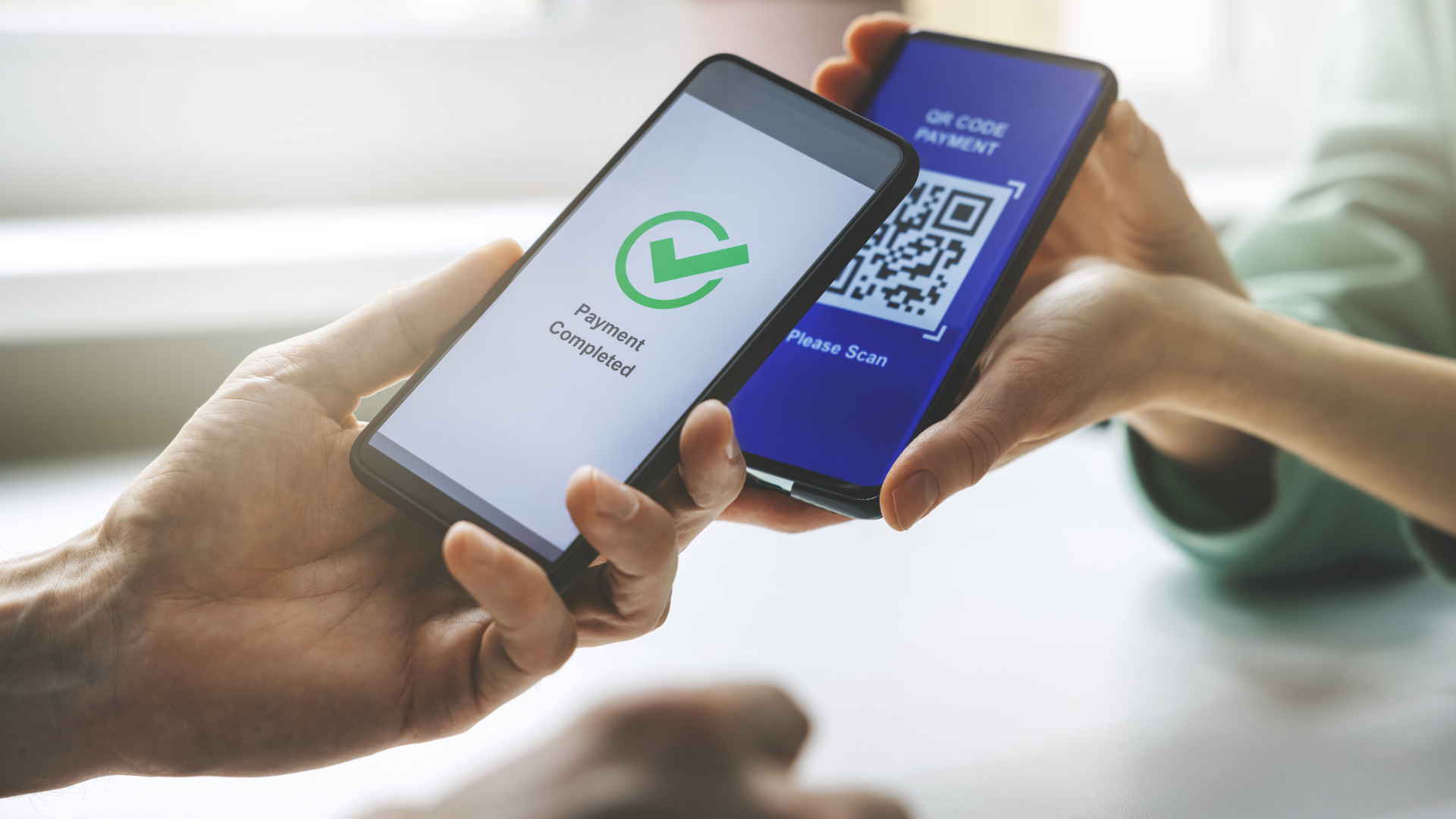
Healthcare billing compliance is an essential aspect of medical practice, but it can be a challenge for medical facilities, practices, and hospitals that accept cash payments. The regulatory landscape for medical billing is complex and constantly evolving, and noncompliance can result in costly fines and legal issues. One solution to ensure compliance with medical billing regulations is to incorporate cashless payments into daily routines through an integrated payment system.
In this blog post, we’ll provide practical tips and insights on how to incorporate cashless payments for healthcare billing compliance into daily routines, and highlight how cashless integrated payment systems can streamline healthcare payments. We’ll define integrated payment systems and explain the benefits of streamlined cashless payments in terms of regulatory compliance. We’ll also provide evidence-based insights on the importance of a cashless integrated payment system in ensuring compliance with medical billing regulations.
So, let’s dive in and explore how integrated payment systems can help you ensure compliance with healthcare billing regulations.
What are integrated payment systems, and what are the benefits of streamlined cashless payments in terms of healthcare billing compliance?
Integrated payment systems are a type of payment processing technology that allows healthcare providers to collect and manage payments electronically. These systems integrate with medical billing software, making it easier to manage and track payments, reducing errors, and increasing data accuracy.
One significant benefit of integrated payment systems is their ability to streamline cashless payments in terms of regulatory compliance. By using an integrated payment system, healthcare providers can ensure that patient payments are accurately recorded and appropriately categorized, reducing the risk of errors and minimizing the potential for fraud. Integrated payment systems can also help to improve transparency by providing detailed information on payment transactions, making it easier to track and reconcile payments.
Another key advantage of using an integrated payment system for healthcare billing compliance is the increased accuracy that it provides. Integrated payment systems are designed to ensure that payments are processed correctly, reducing the risk of errors and discrepancies. This increased accuracy can help to improve the overall quality of care provided to patients by ensuring that medical bills are accurate, reducing the need for additional healthcare billing and follow-up.
Overall, integrated payment systems offer a range of benefits to healthcare providers looking to ensure compliance with healthcare billing regulations. By streamlining cashless payments and improving accuracy, these systems can help to reduce errors, improve transparency, and enhance the quality of care provided to patients.
In the next section, we’ll provide practical tips and insights on how to ensure compliance with integrated payment systems in medical billing.
How to ensure compliance with integrated payment systems in medical billing
Incorporating an integrated payment system into your medical billing routine can be a significant step toward ensuring compliance with healthcare billing regulations. However, it’s essential to follow specific best practices to ensure that you’re using the system effectively and avoiding errors or compliance issues.
Here are some practical tips and insights for ensuring compliance with integrated payment systems in medical billing:
- Verify patient insurance coverage: Before providing services, ensure that you verify patient insurance coverage to avoid any issues with payment processing later on.
- Collect accurate patient information: It’s crucial to collect accurate patient information, including name, address, date of birth, and insurance information. This information is required for payment processing and can help to ensure that claims are processed accurately.
- Keep track of payment transactions: It’s essential to keep track of payment transactions, including payment dates, payment amounts, and payment methods. This information is necessary for auditing purposes and can help to ensure that payments are processed correctly.
- Train staff on how to use integrated payment systems: It’s crucial to train staff on how to use integrated payment systems effectively. This training should include how to process payments, how to verify patient information, and how to troubleshoot any issues that arise.
By following these tips and insights, you can ensure that you’re using your integrated payment system effectively and minimizing the risk of compliance issues. In the next section, we’ll discuss the importance of a cashless integrated payment system in ensuring compliance with medical billing regulations.
The importance of a cashless integrated payment system in ensuring compliance with healthcare billing regulations
A cashless integrated payment system is an essential tool for ensuring compliance with medical billing regulations. By processing payments electronically, healthcare providers can reduce the risk of errors and ensure that payments are accurately recorded and categorized.
One significant advantage of using a cashless integrated payment system is the reduced risk of errors. Manual payment processing methods can be error-prone and time-consuming, leading to mistakes and delays in payment processing. Electronic payment processing, on the other hand, is fast, accurate, and efficient, reducing the risk of errors and improving the overall quality of care provided to patients.
Another benefit of using a cashless integrated payment system is the improved data accuracy that it provides. Integrated payment systems are designed to ensure that payment data is accurate, complete, and up-to-date, reducing the risk of discrepancies and ensuring that payment transactions are recorded correctly. This increased data accuracy can help to streamline billing processes, reduce the risk of fraud, and improve the overall quality of care provided to patients.
Overall, a cashless integrated payment system is an essential tool for healthcare providers looking to ensure compliance with medical billing regulations. By processing payments electronically, healthcare providers can reduce the risk of errors, improve data accuracy, and streamline billing processes, resulting in improved patient care and compliance with regulatory requirements.
In the next section, we’ll provide evidence-based insights on the benefits of a cashless integrated payment system, citing relevant studies and research.
Evidence-based insights on the benefits of a cashless integrated payment system
There is a growing body of research supporting the benefits of a cashless integrated payment system for healthcare providers. Here are some evidence-based insights on the benefits of using a cashless integrated payment system for medical billing:
- Improved accuracy: A study published in the Journal of Healthcare Information Management found that using an integrated payment system improved accuracy in billing processes by reducing errors and discrepancies. The study also found that the use of an integrated payment system resulted in faster payment processing times and reduced administrative costs.
- Enhanced transparency: An article published in Healthcare Finance News noted that using an integrated payment system can help to improve transparency in payment processing, making it easier to track and reconcile payments.
- Reduced fraud risk: A report from the Healthcare Information and Management Systems Society (HIMSS) found that using an integrated payment system can help to reduce the risk of fraud by providing increased data accuracy and transparency in payment transactions.
- Improved patient experience: A study published in the Journal of Medical Systems found that using an integrated payment system can help to improve the overall patient experience by reducing billing errors, improving data accuracy, and streamlining billing processes.
These studies and reports provide strong evidence supporting the benefits of a cashless integrated payment system for healthcare providers. By improving accuracy, enhancing transparency, reducing fraud risk, and improving the patient experience, integrated payment systems can help to ensure compliance with medical billing regulations while improving the overall quality of care provided to patients.
In the next section, we’ll provide a conclusion and call-to-action for readers to try incorporating Eezipay’s cashless integrated payment system into their medical billing routine.
Ready to go cashless?
In conclusion, ensuring compliance with healthcare billing regulations is essential for medical facilities, practices, and hospitals that accept cash payments. One effective solution to improve compliance is to incorporate cashless payments into daily routines through an integrated payment system.
In this blog post, we’ve defined integrated payment systems and explained the benefits of streamlined cashless payments in terms of regulatory compliance. We’ve provided practical tips on how to ensure compliance with integrated payment systems in medical billing and highlighted the importance of a cashless integrated payment system in ensuring compliance with medical billing regulations. We’ve also shared evidence-based insights on the benefits of a cashless integrated payment system, citing relevant studies and research.
To take advantage of these benefits, we encourage readers to try incorporating Eezipay’s cashless integrated payment system into their medical billing routine. Eezipay is a secure, user-friendly payment processing platform that can help to improve accuracy, enhance transparency, and streamline billing processes. By using Eezipay’s integrated payment system, healthcare providers can reduce the risk of errors and ensure compliance with medical billing regulations, resulting in improved patient care and financial performance.
We hope this blog post has provided helpful tips and insights on how to ensure compliance with healthcare billing regulations through a cashless integrated payment system. Thank you for reading, and please feel free to share your experiences with cashless payments and integrated payment systems in the comments section below.