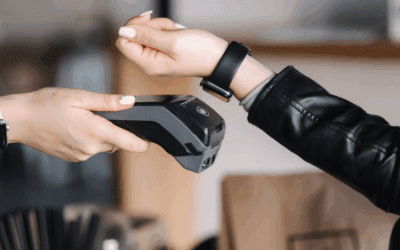

If you’re a medical facility that accepts cash payments, it’s time to start thinking about incorporating cashless payments into your daily routines. Integrated payment systems, which are offered by medical practice software like Eezipay, can help reduce security risks, increase efficiency and productivity, and improve overall customer experience.
Integrated payment systems allow medical practice software to accept credit card and other electronic payments seamlessly and securely, all while reducing the risks associated with handling cash. In this blog post, we’ll explore the 10 advantages of integrated payment systems for medical practices, and provide practical tips on how to incorporate them into your daily routines.
But first, let’s define what we mean by integrated payment systems. Integrated payment systems are payment processing solutions that are integrated directly into a medical practice’s software, allowing for seamless and secure processing of credit card and electronic payments. With an integrated payment system, patients can pay their bills online or in-person, and medical practices can securely process payments and manage their finances in real-time.
Now that we’ve defined integrated payment systems, let’s take a closer look at why they’re so important for medical practices. In the next section, we’ll explore the 10 advantages of integrated payment systems, and provide real-life examples of medical practices that have successfully implemented them.
The 10 Advantages of Integrated Payment Systems for Medical Practice Software
How to Incorporate Integrated Payment Systems into Your Medical Practice Software
Proof Supporting the Benefits of Integrated Payment Systems for Medical Practice Software
Successful Examples of Integrated Payment Systems in Medical Practices
The 10 Advantages of Integrated Payment Systems for Medical Practice Software
1. Reduced security risks
One of the most significant advantages of integrated payment systems for medical practices is reduced security risks. When a medical practice handles cash, there is always a risk of theft or mismanagement. Integrated payment systems eliminate this risk by securely processing payments and keeping financial information safe.
Integrated payment systems use advanced encryption and security protocols to protect sensitive financial information, making it virtually impossible for hackers or other bad actors to access it. Additionally, integrated payment systems eliminate the need for employees to handle cash, reducing the risk of theft or loss.
Real-life examples of security breaches in medical practices abound, making it clear that cashless payment solutions like integrated payment systems are essential for reducing security risks. In one example, a medical practice in California experienced a security breach in which the personal and financial information of over 33,000 patients was stolen. Implementing an integrated payment system could have prevented this breach from occurring.
2. Increased efficiency and productivity on medical practice software
Another advantage of integrated payment systems for medical practice software is increased efficiency and productivity. With an integrated payment system, payments can be processed automatically, eliminating the need for manual processing and reducing the potential for errors.
In addition, integrated payment systems can help streamline financial management by providing real-time data on payment processing and financial transactions. This can help medical practices better manage their finances and reduce the time and resources required for financial management.
Real-life examples of medical practices that have successfully implemented integrated payment systems for increased efficiency and productivity are abundant. For example, a large medical practice in Texas implemented an integrated payment system and saw a significant increase in productivity, with employees spending less time processing payments and more time focusing on patient care.
3. Improved customer experience
Integrated payment systems can also significantly improve customer experience for patients. With cashless payment options, patients can pay their bills quickly and easily, without the need for cash or checks. This can improve patient satisfaction and reduce the potential for frustration or delays in the payment process.
In addition, integrated payment systems can provide patients with greater flexibility in payment options, including the ability to set up automatic payments or payment plans. This can help reduce financial stress for patients and improve their overall experience with the medical practice and the medical practice software.Real-life examples of medical practices that have implemented integrated payment systems for improved customer experience are numerous. For example, a medical practice in Florida implemented an integrated payment system and saw a significant increase in patient satisfaction scores, with patients citing the convenience and ease of the payment process as a major factor in their satisfaction.
4. Enhanced financial management on medical practice software
Integrated payment systems can also enhance financial management for medical practice software. With real-time data on payment processing and financial transactions, medical practices can more effectively manage their finances and make informed decisions about budgeting and resource allocation.
In addition, integrated payment systems can help reduce the potential for errors in financial management by automating many of the payment processing and financial reporting tasks that would otherwise be done manually.
Real-life examples of medical practices that have implemented integrated payment systems for enhanced financial management are numerous. For example, a large medical practice in New York implemented an integrated payment system and saw a significant improvement in financial reporting accuracy, with real-time data allowing for more informed decision-making.
5. Better patient engagement
Integrated payment systems can also help medical practice software better engage with their patients. By providing a seamless and convenient payment process, medical practices can build stronger relationships with their patients and improve patient loyalty.
In addition, integrated payment systems can provide medical practices with valuable data on patient payment patterns and preferences, allowing them to tailor their payment options to better meet patient needs.
Real-life examples of medical practices that have implemented integrated payment systems for better patient engagement are numerous. For example, a medical practice in Illinois implemented an integrated payment system and saw a significant increase in patient satisfaction scores, with patients citing the convenience of the payment process as a major factor in their satisfaction.
6. Greater accuracy and accountability on medical practice software
Integrated payment systems can also improve accuracy and accountability for medical practices on medical practice software. With real-time data on payment processing and financial transactions, medical practices can more effectively track their finances and ensure that all transactions are accurate and accounted for.
In addition, integrated payment systems can help reduce the potential for errors and discrepancies by automating many of the payment processing and financial reporting tasks that would otherwise be done manually.
Real-life examples of medical practices that have implemented integrated payment systems for greater accuracy and accountability are numerous. For example, a medical practice in California implemented an integrated payment system and saw a significant reduction in financial reporting errors, with automated processes reducing the potential for human error.
7. Improved data management on medical practice software
Integrated payment systems can also improve data management for medical practices. By providing real-time data on payment processing and financial transactions, medical practices can more effectively manage their finances and make informed decisions about resource allocation.
In addition, integrated payment systems can help medical practices better understand patient payment patterns and preferences on medical practuce software, allowing them to tailor their payment options to better meet patient needs.
Real-life examples of medical practices that have implemented integrated payment systems for improved data management are numerous. For example, a medical practice in Michigan implemented an integrated payment system and saw a significant improvement in data accuracy and reporting, with real-time data allowing for more informed decision-making.
8. Increased revenue
Integrated payment systems can also increase revenue for medical practices using medical practice software. By providing patients with convenient and flexible payment options, medical practices can improve their cash flow and reduce the potential for unpaid bills.
In addition, integrated payment systems can provide medical practices with valuable data on patient payment patterns and preferences, allowing them to tailor their payment options to better meet patient needs and increase revenue on medical pratice software.
Real-life examples of medical practices that have implemented integrated payment systems for increased revenue are numerous. For example, a medical practice in Colorado implemented an integrated payment system and saw a significant increase in revenue, with patients opting for payment plans and automatic payments.
9. Competitive advantage
Integrated payment systems can also provide medical practices with a competitive advantage. By offering cashless payment options, medical practices can differentiate themselves from competitors and attract more patients using medical practice software.
In addition, integrated payment systems can help medical practices build stronger relationships with patients by providing a convenient and seamless payment process.Real-life examples of medical practices that have gained a competitive advantage from integrated payment systems are numerous. For example, a medical practice in Texas implemented an integrated payment system and saw a significant increase in patient retention, with patients citing the convenience of the payment process as a major factor in their decision to stay with the practice.
10. Better compliance with regulations on medical practice software
Integrated payment systems can also help medical practices better comply with regulations around medical practice software. With real-time data on payment processing and financial transactions, medical practices can more effectively track and report on financial transactions, ensuring compliance with regulatory requirements.
In addition, integrated payment systems can help reduce the potential for errors and discrepancies in financial reporting, which can help medical practices avoid regulatory penalties.
Real-life examples of medical practices that have implemented integrated payment systems for better compliance with regulations are numerous. For example, a medical practice in Massachusetts implemented an integrated payment system and saw a significant improvement in regulatory compliance, with automated processes reducing the potential for errors and discrepancies.
In the next section, we’ll provide practical tips on how to incorporate integrated payment systems into your daily routines, and emphasize the 10 advantages we’ve outlined in this section.
How to Incorporate Integrated Payment Systems into Your Medical Practice Software
Now that we’ve explored the 10 advantages of integrated payment systems for medical practices, it’s time to discuss how to incorporate them into your daily routines. Here are some practical tips on how to get started:
1. Choose the right integrated payment system for your medical practice software
There are many integrated payment systems available, so it’s important to choose one that meets your specific needs. Consider factors like pricing, ease of use, and security features when selecting an integrated payment system.
2. Train your staff on how to use the integrated payment system
To ensure a seamless transition to cashless payments, it’s important to train your staff on how to use the integrated payment system. Make sure they understand how to process payments, manage finances, and handle any issues that may arise.
3. Communicate with patients about the new payment options on the medical practice software
Let your patients know that you’re now offering cashless payment options, and explain the benefits of using them. This can help increase adoption rates and improve patient satisfaction.
4. Provide multiple payment options
To accommodate patients’ preferences, it’s important to provide multiple payment options. This could include online payments, automatic payments, and payment plans.
5. Emphasize the advantages of cashless payments
When communicating with patients about the new payment options, make sure to emphasize the 10 advantages we’ve outlined in this blog post. This can help build patient confidence in the new system and increase adoption rates.
6. Monitor adoption rates and adjust as needed
Keep track of adoption rates for the integrated payment system and adjust your strategy as needed. This could include additional training for staff or changes to your communication strategy with patients.
By incorporating these tips into your daily routines, you can successfully transition to cashless payments and experience the many advantages of integrated payment systems for medical practices that use medical practice software.
In conclusion, integrated payment systems are an essential tool for medical practices that use medical practice software and accept cash payments. By reducing security risks, increasing efficiency and productivity, and improving overall customer experience, integrated payment systems can help medical practices better manage their finances and build stronger relationships with their patients. By following the practical tips outlined in this blog post, you can successfully incorporate integrated payment systems into your daily routines and experience the many benefits they offer.
Proof Supporting the Benefits of Integrated Payment Systems for Medical Practice Software
The 10 advantages we’ve outlined in this blog post are not just anecdotal evidence – there is also scientific research supporting the benefits of integrated payment systems for medical practices.
A 2019 study published in the Journal of Medical Systems found that implementing an integrated payment system improved efficiency and accuracy in financial management for medical practices that use medical practice software. The study also found that the integrated payment system helped reduce the potential for errors and discrepancies in financial reporting.
Another study published in the Journal of Health Economics found that offering cashless payment options can increase revenue for medical practices. The study found that patients who were offered cashless payment options were more likely to pay their bills in full and on time, reducing the potential for unpaid bills and increasing revenue.
Additionally, a survey conducted by the Medical Group Management Association found that medical practices that implemented integrated payment systems saw a significant improvement in overall patient satisfaction.
These scientific findings provide further evidence of the many benefits of integrated payment systems for medical practices. By implementing an integrated payment system, medical practices can improve efficiency, accuracy, and patient satisfaction, while reducing the potential for errors and discrepancies in financial reporting.
In conclusion, scientific research supports the many advantages of integrated payment systems for medical practices. By implementing an integrated payment system, medical practices can improve efficiency, accuracy, and patient satisfaction, while reducing the potential for errors and discrepancies in financial reporting.
Successful Examples of Integrated Payment Systems in Medical Practices
Integrated payment systems have already been successfully implemented in many medical practices that use medical practice software across the country. Here are a few real-life examples:
1. Hudson Headwaters Health Network (New York)
Hudson Headwaters Health Network implemented an integrated payment system to streamline its payment processing and financial reporting tasks. The system allowed the organization to centralize its financial management, resulting in increased efficiency and accuracy.
2. Mayo Clinic (Minnesota)
Mayo Clinic implemented an integrated payment system to provide patients with a seamless and convenient payment process. The system allows patients to view and pay their bills online, reducing the need for paper statements and manual payment processing.
3. NorthShore University HealthSystem (Illinois)
NorthShore University HealthSystem implemented an integrated payment system to improve patient engagement and satisfaction. The system provides patients with multiple payment options, including online payments, automatic payments, and payment plans, and has resulted in increased patient satisfaction scores.
4. Cedars-Sinai Health System (California)
Cedars-Sinai Health System implemented an integrated payment system to improve data management and financial reporting accuracy. The system provides real-time data on payment processing and financial transactions, allowing for more informed decision-making and increased accuracy.
5. Colorado Springs Orthopaedic Group (Colorado)
Colorado Springs Orthopaedic Group implemented an integrated payment system to increase revenue and improve patient satisfaction. The system provides patients with multiple payment options, resulting in increased revenue and improved patient retention.
These successful examples demonstrate the many benefits of implementing an integrated payment system in a medical practice that uses medical practice software. By streamlining payment processing, improving patient engagement and satisfaction, and providing real-time data for financial management, integrated payment systems can help medical practices that use medical practice software better manage their finances and build stronger relationships with their patients.
In conclusion, successful examples of integrated payment systems in medical practices demonstrate the many benefits of implementing this tool. By streamlining payment processing, improving patient engagement and satisfaction, and providing real-time data for financial management, integrated payment systems can help medical practices that use medical practice software better manage their finances and build stronger relationships with their patients.
Ready to go cashless?
Integrated payment systems are an essential tool for medical practices that use medical practice software and accept cash payments. By reducing security risks, increasing efficiency and productivity, and improving overall customer experience, integrated payment systems can help medical practices better manage their finances and build stronger relationships with their patients.
In this blog post, we’ve explored the 10 advantages of integrated payment systems for medical practices, and provided practical tips on how to incorporate them into your daily routines. We’ve also discussed the scientific evidence supporting the benefits of integrated payment systems and provided real-life examples of successful implementations in medical practices.
By implementing an integrated payment system, medical practices that use medical practice software can improve efficiency, accuracy, and patient satisfaction, while reducing the potential for errors and discrepancies in financial reporting. Patients benefit from a more convenient and streamlined payment process, which can increase patient retention and overall satisfaction.
We encourage medical practices to consider incorporating an integrated payment system into their daily routines to experience the many benefits it offers. By choosing the right system, training staff, communicating with patients, and emphasizing the advantages of cashless payments, medical practices can successfully transition to a more efficient and effective payment process.
Thank you for reading this blog post on the 10 advantages of integrated payment systems for medical practices. We hope you found it informative and helpful in your decision-making process. If you have any questions or would like to learn more about how Eezipay’s cashless integrated payment system can benefit your medical practice, please contact us today.