Understanding the Landscape of Point of Sale Systems South Africa
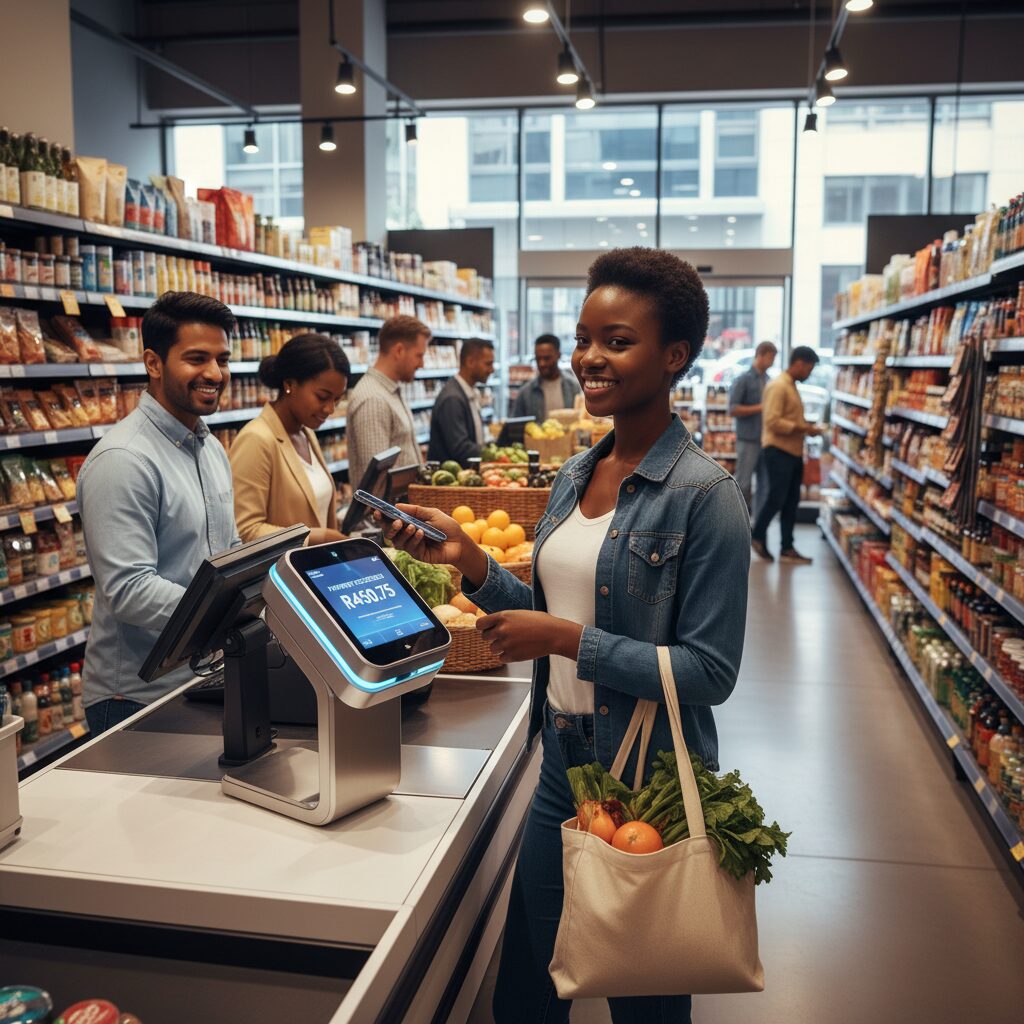
Modern retail operations extend far beyond the traditional point of transaction, especially when evaluating point of sale systems South Africa retailers rely on for unified, efficient operations. Retailers across South Africa, from major metropolitan centers to specialised boutique retailers, require a retail pos system that can manage a wide array of customer expectations and operational demands. Key considerations include:
- Omni-channel Integration: With the significant growth of e-commerce, systems that seamlessly integrate a physical store’s inventory with its online platform are no longer a luxury but a standard requirement for a unified commerce strategy.
- Inventory Management: Real-time, accurate stock tracking across multiple locations is critical to prevent stockouts and overstocking, which directly impacts profitability and supply chain efficiency.
- Diverse Payment Processing: An effective POS platform must be equipped to accept a comprehensive range of payment methods, from traditional credit and debit cards to prevalent local mobile payment solutions like SnapScan and Zapper.
Comparative Analysis of Leading Retail POS Systems in South Africa
We have analyzed the features, pricing structures, and unique value propositions of the market’s leading providers to evaluate their respective strengths.
Shopify POS: Optimal for Omni-Channel Retail
Shopify is a global leader in e-commerce, and its POS system is a logical extension of that core platform. It is engineered for businesses seeking to unify their online and physical sales channels within a single, cohesive back-end.
- Strengths: Seamless integration with a Shopify online store, real-time inventory synchronization, an intuitive user interface, and robust mobile POS capabilities for enabling sales from any location.
- Weaknesses: Access to the most powerful features is contingent upon a Shopify online store subscription, making it a less effective standalone option.
- Best For: Retailers that currently operate, or plan to establish, a significant e-commerce presence in parallel with their physical store.
Square POS: Optimal for Startups and SMEs
Square is recognized for its simplicity and transparent pricing model. It offers an exceptionally streamlined setup process, often with no upfront software costs, making it a preferred solution for new ventures and small businesses.
- Strengths: A highly intuitive user interface, excellent mobile applications, a free foundational version, and robust analytics. Setup is streamlined through a simple application download and connection to a compatible card reader.
- Weaknesses: Advanced inventory and staff management functionalities are available only in the paid subscription tiers.
- Best For: Small to medium-sized enterprises (SMEs), pop-up retail activations, and new businesses requiring a low-cost, user-friendly system for immediate deployment.
Lightspeed Retail: Optimal for Complex Inventories
Lightspeed is a comprehensive retail pos system engineered for retailers managing complex and extensive inventory. For inventories with numerous product variants—such as apparel (sizes, colours), electronics (models), or speciality goods—Lightspeed provides superior functionality.
- Strengths: Granular inventory management, integrated supplier purchase ordering, and detailed reporting capabilities. It is recognized as one of the [best POS systems for multi-store operations](https://www.connectpos.com/5-trusted-retail-pos-software-for-multi-store/) due to its centralized control mechanisms.
- Weaknesses: The platform requires a greater initial investment in training and budget, with advanced plans exceeding ZAR 2,500 per month.
- Best For: Speciality retailers such as bicycle shops, boutiques, jewellers, or wine merchants that require precise, detailed inventory control.
Yoco & iKhokha: Optimal for Mobile & Micro-Retail
Yoco and iKhokha are prominent local providers that have transformed the payment landscape for numerous small businesses with their affordable, mobile-centric card readers and transparent pricing models.
- Strengths: Highly cost-effective with low or no monthly contract fees, engineered for mobility (ideal for markets and mobile commerce), and fully integrated with local payment methods. Hardware packages are accessible, with costs typically ranging from ZAR 3,000 to ZAR 10,000.
- Weaknesses: The software’s inventory and reporting features are more foundational compared to global platforms like Lightspeed or Shopify.
- Best For: Market vendors, food trucks, freelance service providers, and small storefronts that prioritize payment processing efficiency and mobility over complex back-office functionalities.
ConnectPOS: Optimal for Multi-Store Operations
ConnectPOS is a robust, cloud-based system that excels in the management of multiple retail locations. Its capacity for real-time data synchronization across an entire enterprise makes it a viable solution for established brands.
- Strengths: Excellent multi-store management capabilities, real-time data synchronization for inventory and sales, and compatibility with various e-commerce platforms.
- Weaknesses: The initial setup can be more complex and may require dedicated integration support.
- Best For: Larger retailers and chain stores requiring a centralized platform to manage a network of locations.
Key Features to Evaluate in a Retail POS
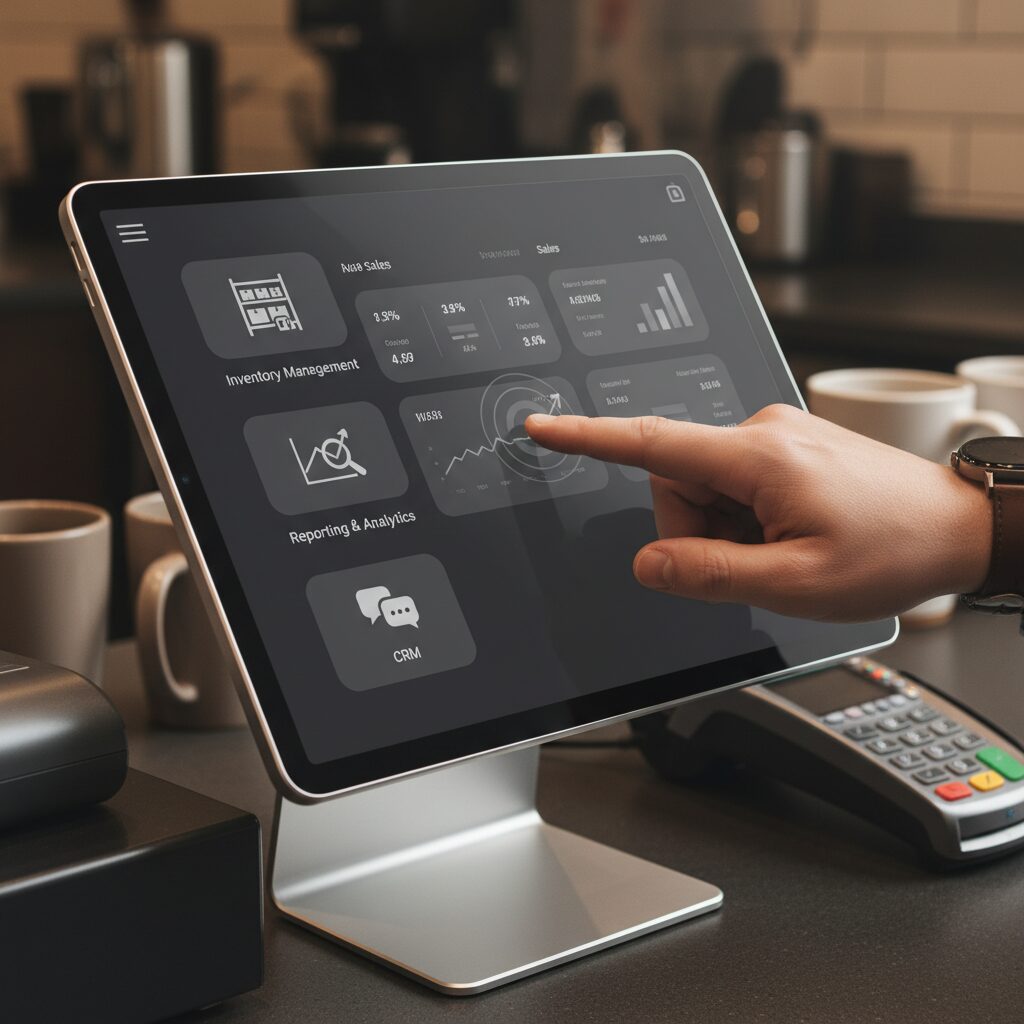
When comparing solutions, ensure the chosen system provides the features that are critical to your operations. As noted in Shopify’s guide on the best mobile POS systems, flexibility and core functions are paramount.
- Inventory Management: To track stock levels, automate reordering processes, and manage product variations.
- Payment Processing: To securely accept credit cards, debit cards, and mobile payments in a compliant manner.
- Reporting & Analytics: To provide actionable insights into sales trends, product performance, and customer behaviour.
- Customer Relationship Management (CRM): To build customer profiles, track purchase history, and manage loyalty programs.
- E-commerce Integration: To synchronize your physical store with your online sales channel, enabling a true omni-channel experience.
How to Select the Optimal POS System for Your Business
Follow these steps to identify the ideal system for your organization:
- Define Your Operational Requirements: Determine if your needs are for a single boutique or a growing multi-store enterprise. Assess the complexity of your inventory and sales processes.
- Evaluate Total Cost of Ownership: Factor in both upfront hardware costs (tablets, scanners, printers) and recurring monthly subscription fees. Systems like Square offer a low initial investment, whereas more advanced platforms require a larger budget allocation.
- Ensure Scalability: Select a system that can scale in parallel with your business growth. A solution that meets current needs may not support future expansion.
- Verify Support and Service Level Agreements: In the event of system issues, reliable customer support is invaluable. Confirm that the provider offers local support during South African business hours.
Conclusion
The optimal POS system is the one that aligns with your unique business requirements and budgetary framework. For South African retailers focused on e-commerce, Shopify POS offers a superior integrated experience. For new businesses prioritizing simplicity and low initial cost, Square POS is an effective entry-level solution. If your organization has complex inventory requirements, the capabilities of Lightspeed Retail justify the investment. For maximum mobility and affordability, local providers like Yoco and iKhokha empower small businesses to compete effectively in the modern marketplace.
By carefully evaluating your requirements against the capabilities of each retail pos system, you can equip your retail business with the technological tools necessary to achieve sustained growth and operational excellence in 2026 and beyond.