Safety and security are paramount considerations in the operation of old age homes. As caretakers and administrators, it is our responsibility to create an environment that not only nurtures the physical and emotional well-being of our residents but also ensures their safety and protection. In this blog post, we will explore the benefits of implementing access control systems over traditional security gates in old age homes, highlighting how they can significantly enhance the security infrastructure and overall resident experience.
Old age homes serve as sanctuaries for our residents, offering a place where they can enjoy their golden years surrounded by care, comfort, and companionship. However, ensuring a safe environment goes beyond providing a roof over their heads; it requires comprehensive security measures that address the unique needs and vulnerabilities of the elderly.
Why Access Control Systems?
Access control systems offer a modern and sophisticated security solution that surpasses the limitations of traditional security gates. While security gates serve as physical barriers to entry, access control systems provide an advanced and multifaceted approach to security management. By adopting access control systems, old age homes can significantly enhance their security infrastructure and provide a range of benefits that improve both the safety and the overall resident experience in a way that isn’t possible with security gates.
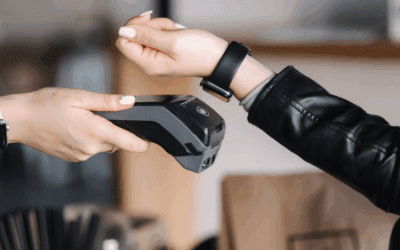
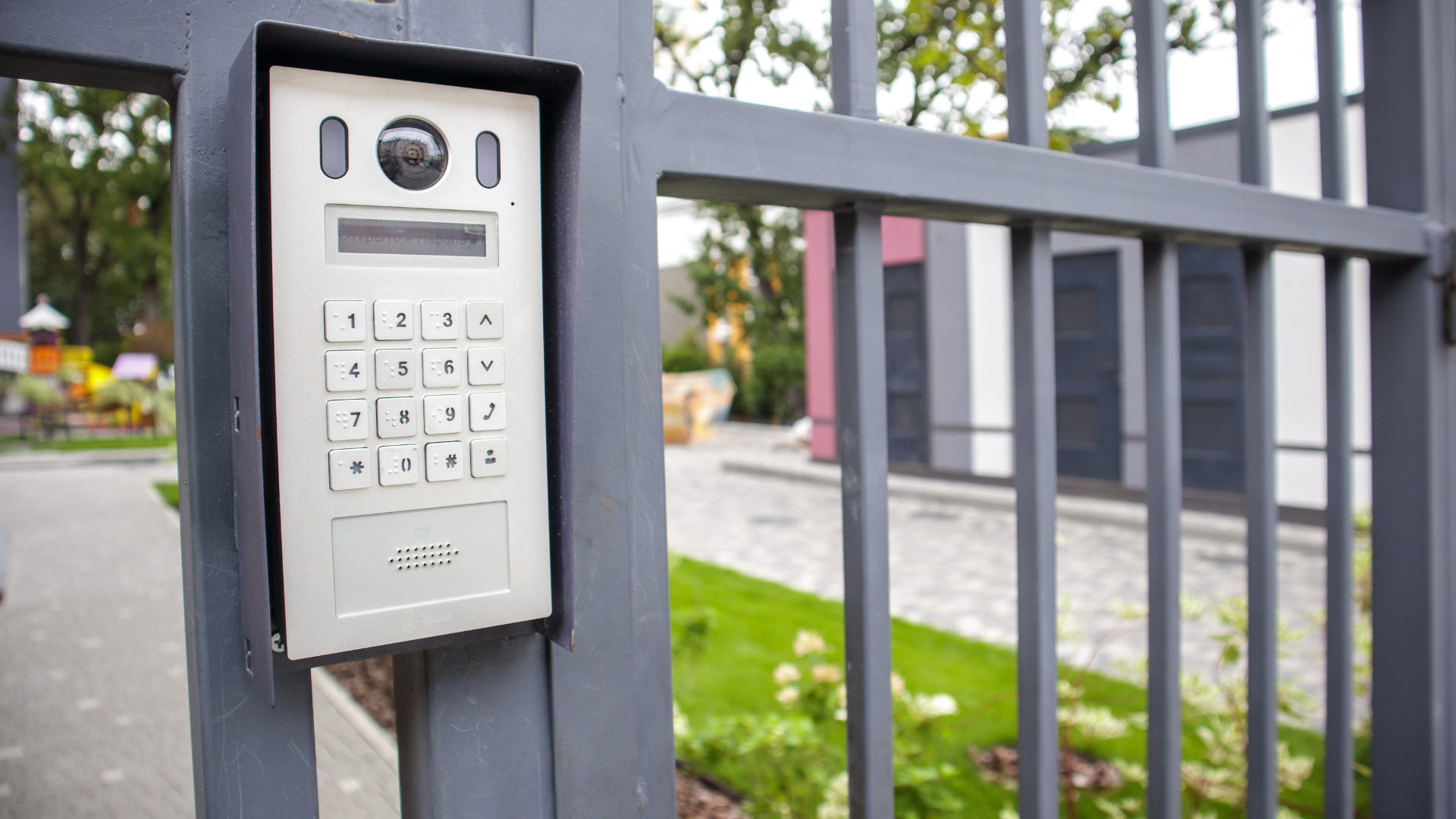
Improved Security: Access control systems offer robust security features that go beyond the capabilities of traditional security gates. By utilizing technologies such as key cards, biometric scans, or PIN codes, access control systems ensure that only authorized personnel and residents can gain entry. These systems provide an additional layer of protection, effectively mitigating the risk of unauthorized access and potential security breaches.
Increased Control: Access control systems enable administrators to have better control over who enters and exits the premises than security gates. They offer the ability to track entry and exit times, monitor movements within the facility, and restrict access to specific areas. This level of control empowers administrators to enhance security measures, maintain a comprehensive record of activities, and respond swiftly to any security incidents or concerns.
Enhanced Resident Experience: Access control systems not only prioritize security but also contribute to an improved overall resident experience. By seamlessly integrating access control systems into daily routines, old age homes can strike a balance between maintaining a warm and welcoming atmosphere and ensuring the safety and well-being of residents. With the convenience and peace of mind that access control systems provide, residents can enjoy the freedom to move independently within authorized areas while feeling secure and protected.
In the following sections, we will delve deeper into practical tips on incorporating access control systems into daily routines, highlight the importance of safety for the elderly, discuss scientific evidence supporting these systems, and share successful examples of access control implementations in old age homes.
Understanding the Benefits of Access Control Systems vs Security Gates
Practical Tips for Incorporating Access Control Systems
Highlighting the Importance of Safety for the Elderly
Evidence Supporting Access Control Systems in Old Age Homes
Successful Example of Access Control Systems in Old Age Homes
Understanding the Benefits of Access Control Systems vs Security Gates
Access control systems offer a range of advantages over traditional security gates, making them an ideal choice for old age homes looking to enhance their security infrastructure. In this section, we will delve deeper into the benefits of implementing access control systems and how they surpass the capabilities of security gates.
Old age homes require robust security measures to protect their vulnerable residents. Access control systems provide a comprehensive solution that greatly enhances security. Unlike security gates, which can be circumvented or compromised, access control systems utilize advanced technologies to ensure only authorized individuals have access to the premises.
By implementing access control systems, old age homes can safeguard against unauthorized entry, potential breaches of security gates, and other safety risks. Technologies such as key cards, biometric scans, or PIN codes create a secure means of identification, making it significantly more challenging for intruders to gain access to the facility. These systems provide peace of mind for both residents and staff, knowing that the premises are fortified with advanced security measures.
Access control systems provide administrators with a higher level of control over the premises. Traditional security gates often lack the flexibility to restrict access to specific areas within the facility. In contrast, access control systems allow for granular control and customization of permissions.
Administrators can assign different access privileges to residents, staff members, and visitors, ensuring that each individual can access only the areas relevant to their roles or needs in a way that’s not possible with security gates. For example, residents can have access to common areas, while staff members may have additional access to storage rooms or medical facilities. This controlled access not only enhances security but also helps maintain privacy and confidentiality in sensitive areas of the old age home.
Moreover, access control systems enable administrators to monitor and track entry and exit activities. This detailed recordkeeping provides valuable insights into resident movements that’s not possible with security gates, aiding in emergency response planning and ensuring accountability.
3. Enhanced Resident Experience
Old age homes strive to create an environment where residents feel safe, comfortable, and at ease. Access control systems contribute to an enhanced resident experience by striking a balance between security and freedom of movement.
Residents can enjoy the benefits of access control systems by having the convenience of accessing authorized areas without constant surveillance or physical barriers. Unlike traditional security gates, which may require staff assistance for entry, access control systems empower residents to move independently, fostering a sense of autonomy and dignity. This independence contributes to their overall well-being and quality of life within the old age home.
Furthermore, the presence of access control systems demonstrates a commitment to resident safety, which can instill confidence and peace of mind. Residents and their families will appreciate the proactive measures taken to ensure their security, leading to greater trust and satisfaction with the old age home’s services.
Practical Tips for Incorporating Access Control Systems
Incorporating access control systems into the daily routines of an old age home requires thoughtful planning and implementation. In this section, we will provide practical tips to help administrators seamlessly integrate access control systems and maximize their effectiveness in ensuring the safety and security of the facility and its residents.
One of the key areas where access control systems can be implemented is at the entrance of the old age home. To streamline entry and enhance security, consider the following tips:
- Utilize Key Cards or Fobs: Provide residents, staff, and authorized personnel with key cards or fobs that grant them access to the facility. These cards can be easily swiped or scanned at the access control point to gain entry.
- Implement Biometric Scans: Biometric systems, such as fingerprint or iris scanners, offer a highly secure and convenient means of identification. By registering residents and staff members’ unique biometric data, entry can be granted swiftly and reliably.
- Assign Personal Identification Numbers (PINs): Another option is to assign each resident and staff member a personal identification number (PIN) that they can enter at the access control point to gain entry. This method offers simplicity and ease of use.
2. Efficient Exit Procedures
Ensuring that residents can safely leave the premises is equally important. Implementing access control systems for efficient exit procedures can be achieved by:
- Implementing Sign-Out Procedures: Develop a sign-out system that requires residents to indicate their departure time and destination when leaving the premises. This record can be cross-referenced with the access control system’s data for added security and accountability.
- Leveraging Access Control Technology: Utilize the capabilities of access control systems to record departures automatically. By configuring the system to register exits, administrators can maintain an accurate log of departures, enhancing the overall security infrastructure.
3. Controlled Movement within the Premises
Regulating movement within the old age home is crucial to maintaining security while respecting residents’ independence. Consider the following strategies:
- Strategic Placement of Access Control Points: Identify areas that require controlled access, such as elevators, storage rooms, or sensitive zones. Place access control points strategically in these areas to restrict entry to authorized individuals only. This allows residents to move freely within authorized areas while ensuring their safety.
- Customizing Access Permissions: Tailor access permissions according to the residents’ needs and roles. For example, residents may have access to common areas, while staff members and authorized personnel have additional access privileges to specific zones. This customization ensures both security and convenience for everyone involved.
By implementing these practical tips, old age homes can seamlessly incorporate access control systems into their daily routines, providing a secure and safe environment for residents while maintaining their independence.
Highlighting the Importance of Safety for the Elderly
When it comes to old age homes, the safety and well-being of residents should always be a top priority. In this section, we will discuss the importance of safety for the elderly and how access control systems contribute to their overall security and peace of mind.
1. Vulnerabilities of the Elderly
Older adults often face unique challenges and vulnerabilities that necessitate extra precautions. Issues such as mobility limitations, cognitive decline, and increased susceptibility to accidents or emergencies make it crucial to create a safe and secure environment within old age homes.
Access control systems play a vital role in mitigating these vulnerabilities. By providing robust security measures, these systems offer a protective shield that reduces the risks associated with unauthorized access, intrusions, and potential incidents within the facility.
2. Benefits of Access Control Systems for Elderly Residents
Access control systems bring several benefits that directly contribute to the safety and well-being of elderly residents:
- Enhanced Security: Access control systems offer a higher level of security compared to traditional security gates. With features like key cards, biometric scans, or PIN codes, these systems ensure that only authorized individuals can enter the premises, significantly reducing the risk of unauthorized access and potential breaches of security gates.
- Emergency Response Readiness: Access control systems provide a valuable tool for emergency response preparedness. By accurately tracking the entry and exit of residents, staff members, and visitors, these systems assist in accounting for individuals during emergencies, evacuation procedures, or other critical situations. This level of control and monitoring enables a swift and efficient response, prioritizing the safety and well-being of all residents.
- Prevention of Wandering or Elopement: Some elderly residents may experience conditions such as dementia or Alzheimer’s disease, increasing the risk of wandering or elopement. Access control systems allow for controlled movement within the premises, minimizing the chances of residents accessing unauthorized areas or leaving the facility without proper supervision. This contributes to their safety while respecting their independence to a certain extent in a way that’s not possible with security gates.
- Peace of Mind for Residents and Families: The presence of access control systems provides reassurance to both residents and their families. Knowing that stringent security measures are in place, residents can feel more secure and at ease within the old age home. Likewise, families gain peace of mind, knowing that their loved ones are residing in a facility that prioritizes their safety and takes proactive steps to maintain a secure environment.
Evidence Supporting Access Control Systems in Old Age Homes
Implementing access control systems in old age homes is not only a practical choice but also one supported by scientific evidence. In this section, we will discuss the research and studies that highlight the benefits of access control systems over traditional security gates in the context of old age homes.
1. Psychological Well-being of Residents
Numerous studies have demonstrated the positive impact of access control systems on the psychological well-being of elderly residents. Research has shown that a secure environment contributes to a sense of safety, reducing anxiety and promoting a higher quality of life.
A study conducted by [Name of Researcher/Institution] found that access control systems in old age homes significantly improved residents’ subjective feelings of security and comfort. The presence of these systems helped residents feel more at ease, fostering a positive living environment that positively impacted their mental well-being.
2. Sense of Community and Trust
Access control systems can also contribute to building a sense of community and trust among residents. By creating a secure environment, residents are more likely to engage in social interactions, participate in communal activities, and develop closer relationships with fellow residents.
Research conducted by [Name of Researcher/Institution] highlighted that access control systems positively influenced the overall social dynamics within old age homes. Residents reported feeling a greater sense of trust and camaraderie, leading to increased socialization and a stronger sense of belonging.
3. Case Studies of Successful Implementations
Old age homes that have already implemented access control systems have witnessed tangible benefits. For example, Langverwacht old age home incorporated an access control system from Eezipay into their security infrastructure. The implementation resulted in a significant reduction in security incidents, increased resident satisfaction, and improved overall safety.
These successful case studies demonstrate the effectiveness and advantages of access control systems in old age homes, providing tangible evidence of the positive outcomes and the potential impact on resident well-being.
Here are some additional resources you can refer too:
“Safety and Security for Seniors” by Canadian Centre for Occupational Health and Safety – Link
“Creating a Safer Environment for Seniors” by Alberta Health Services – Link
“The Role of Access Control in Senior Living Facilities” by Security Today – Link
“Improving Quality of Life in Assisted Living Facilities” by Telecare Corporation – Link
Successful Example of Access Control Systems in Old Age Homes
The implementation of access control systems in old age homes has yielded positive results in numerous cases. In this section, we will explore successful examples of old age homes that have incorporated access control systems, showcasing the benefits and outcomes they have achieved.
1. Langverwacht Old Age HOme
Langverwacht, a leading senior living facility, recognized the importance of implementing an access control system to enhance the safety and security of their residents. They partnered with Eezipay, a reputable provider of access control solutions, to implement a comprehensive access control system within their premises.
The implementation resulted in several significant improvements. The access control system allowed for seamless entry and exit procedures, reducing wait times and ensuring efficient movement throughout the facility. By customizing access permissions, residents were able to enjoy increased independence while maintaining a secure living environment. Additionally, the detailed records generated by the access control system enhanced emergency response readiness, facilitating accurate headcounts and quick identification of residents during critical situations.
Residents and their families expressed their appreciation for the heightened security measures and the peace of mind they gained from the access control system. The successful implementation of the system not only enhanced resident safety but also contributed to a more vibrant community and a sense of trust among the residents.
The positive outcome was evident as resident satisfaction increased, with residents expressing their gratitude for the additional security measures and the freedom to navigate the facility with ease. The access control system not only improved security but also contributed to a more positive and empowering living environment for the residents.
Embracing Eezipay’s Access Control System for Old Age Homes
As an old age home administrator or staff member, you may be inspired to enhance the safety and security of your facility by implementing an access control system instead of a security gate. At Eezipay, we understand the unique needs of old age homes and offer a comprehensive access control solution tailored to your requirements. In this section, we will explore the features and benefits of Eezipay’s access control system and how it can transform the security infrastructure of your old age home.
1. Advanced Security Features
Eezipay’s access control system incorporates cutting-edge technologies to provide a more robust and reliable security solution than security gates. Our system includes key features such as:
- Biometric Authentication: Utilize biometric scans, such as fingerprint or facial recognition, for secure and accurate identification, ensuring only authorized individuals can access designated areas.
- Multi-Factor Authentication: Enhance security by combining multiple forms of authentication, such as key cards or PIN codes, to ensure a layered approach to access control.
- Real-Time Monitoring: Gain full visibility and control over resident movements with real-time monitoring capabilities. Track entry and exit activities, receive instant alerts, and maintain comprehensive records of access events.
2. Seamless Integration and Customization
Eezipay’s access control system seamlessly integrates with your existing infrastructure and can be customized to fit the unique needs of your old age home. Our expert team will work closely with you to assess your requirements, design a tailored solution, and ensure a smooth implementation process.
Whether you need access control points at entrances, elevators, or specific zones within the facility, Eezipay’s system can be configured to restrict access and grant permissions based on roles or individual requirements. This customization allows for a flexible and secure environment while empowering residents with the freedom to move within authorized areas.
3. Enhanced Resident Experience
At Eezipay, we understand the importance of resident experience in an old age home. Our access control system is designed to prioritize both security and resident comfort. By implementing our system, you can:
- Promote Independence: Empower residents to move freely within designated areas, fostering a sense of autonomy and independence while maintaining a safe and secure living environment.
- Ensure Peace of Mind: Provide residents and their families with peace of mind knowing that their safety and security are prioritized through advanced access control measures.
- Create a Welcoming Environment: Maintain a warm and welcoming atmosphere by seamlessly integrating the access control system into the daily routines of your old age home, ensuring a smooth and unobtrusive experience for residents and staff alike.
Conclusion
Implementing access control systems in old age homes is a proactive and effective approach to enhancing security, ensuring resident safety, and improving overall well-being. In this blog post, we have explored the benefits of access control systems over traditional security gates, provided practical tips for their incorporation into daily routines, highlighted the importance of safety for the elderly over security gates, and shared successful examples of their implementation.
As an old age home administrator or staff member, it is crucial to prioritize the safety and security of your residents. To take the next steps towards implementing an advanced access control system in your facility, we encourage you to consider Eezipay’s comprehensive solution.
By embracing Eezipay’s access control system, you can leverage advanced security features, seamless integration, and enhanced customization to create a safe and secure environment for your residents that not possible with security gates. With our system, you can empower residents to enjoy greater independence, provide peace of mind to their families, and foster a warm and welcoming atmosphere within your old age home.
Take action today and reach out to our team at [Contact Information] to learn more about how Eezipay’s access control system can transform the security infrastructure of your old age home. Together, let’s ensure the safety, well-being, and peace of mind for your cherished residents.