What is a “Business in a Box” Platform?
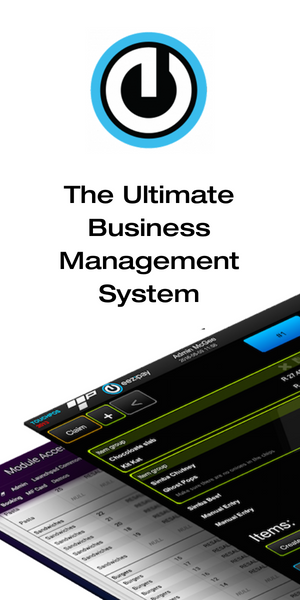
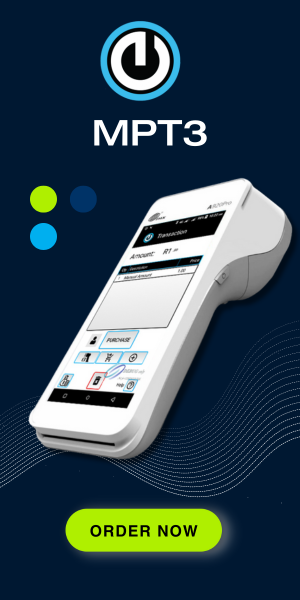
A “business in a box” is a comprehensive solution that integrates the hardware required to accept payments with the software needed to manage daily operations. This business machine functions as a sophisticated, modern business operating system (BOS) contained within a single device. Instead of managing disparate systems—a separate card machine, cash register, inventory ledger, and customer log—this solution integrates all functions into one seamless platform.
In South Africa, local providers such as Yoco and iKhokha have brought this concept to the market. Their offerings typically consist of a portable small business machine that connects directly to a smartphone or tablet application. This application serves as the operational core, providing a real-time overview of your business’s performance.
Core Components of an Integrated Business Machine
The efficacy of these solutions lies in the seamless synergy between the physical hardware and the digital software platform. They are engineered to function as a single, cohesive unit, eliminating the inefficient and error-prone processes of legacy systems.
Secure and Expedited Payment Processing
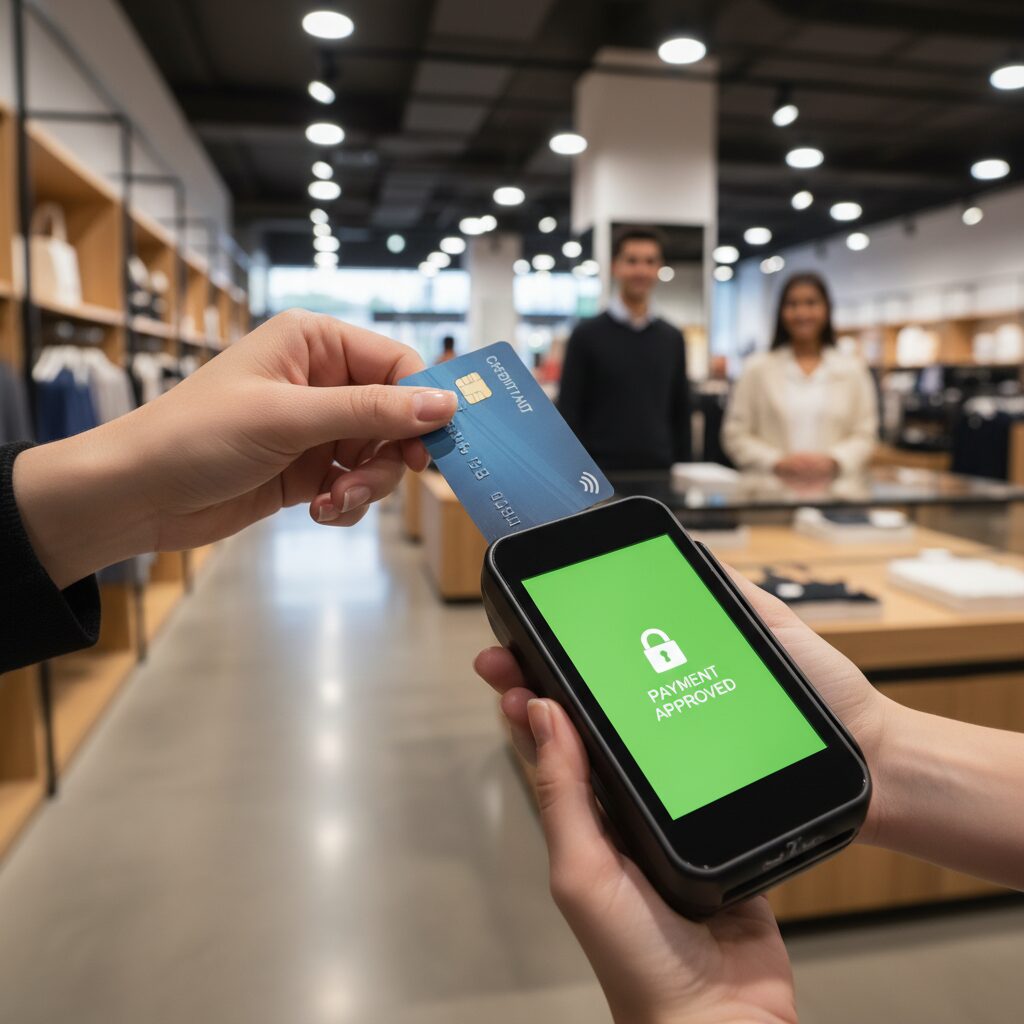
The most visible component is the card terminal itself. Modern devices are engineered for speed, reliability, and security.
- Accept All Payment Methods: They efficiently process debit and credit cards (contactless, swipe, or chip) as well as mobile payments.
- PCI Compliant: Critically, these systems are fully PCI-DSS compliant, the global standard for payment security. This ensures every transaction is encrypted and your customers’ data remains protected, building essential trust and credibility.
The Integrated Management Software
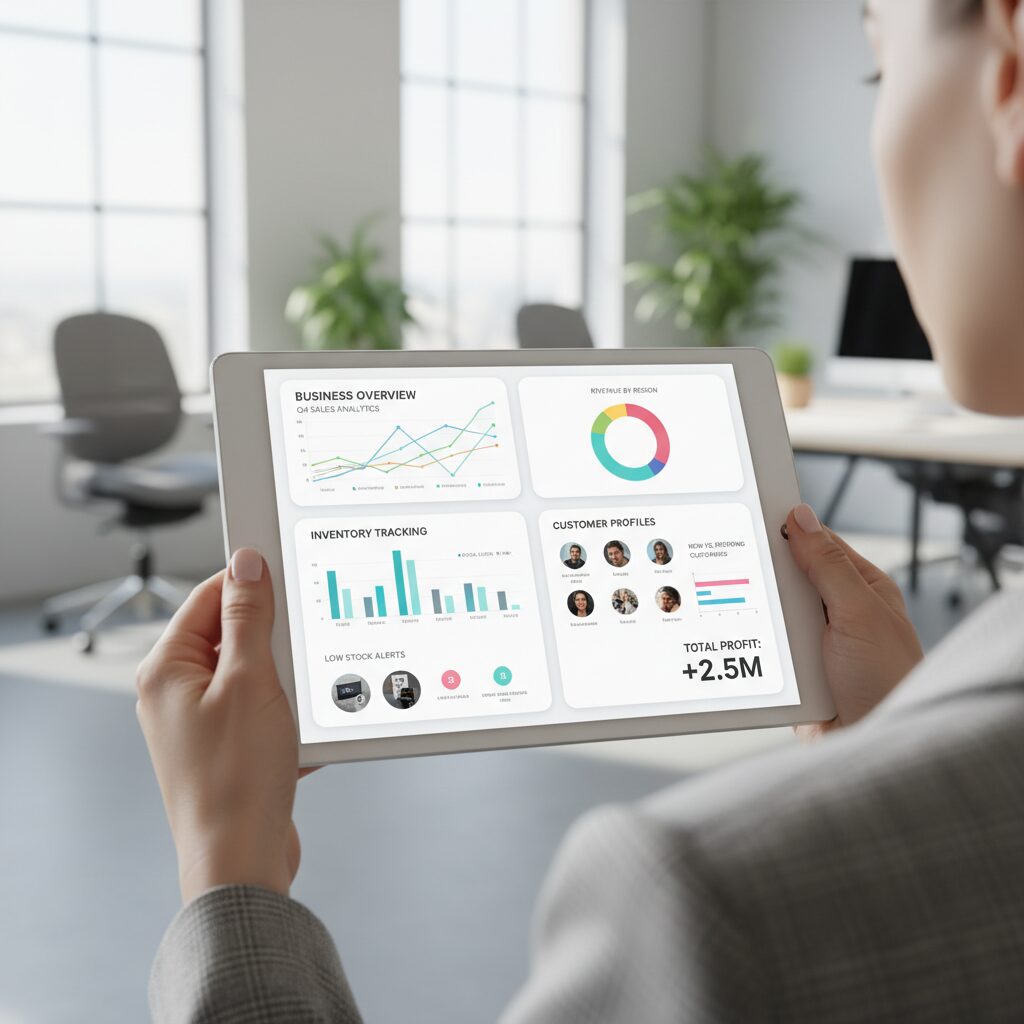
This is the central pillar of the platform’s value. The application paired with your card terminal delivers a comprehensive suite of functionalities designed to reduce your administrative burden. Core functionalities include:
- Sales Analytics: Gain real-time visibility of every transaction. Track revenue by selected periods and identify top-performing products.
- Inventory Management: Add products, set prices, and allow the system to automatically update stock levels as items are sold.
- Customer Profiles: Develop a simple database of your customers to track their purchase history and analyse preferences.
- Staff Performance Analytics: For businesses with employees, create individual profiles to track sales performance and manage user permissions.
- Digital Receipting: Send receipts via email or SMS, reducing paper costs and offering enhanced customer convenience.
Seamless System Integration
The primary value of a “business in a box” is derived from this deep integration. When a sale is processed on your business machine, the application instantly updates your sales figures, adjusts inventory counts, and links the transaction to the relevant customer profile. This automation eliminates manual reconciliation processes and significantly mitigates the risk of human error.
The Strategic Imperative for an Integrated Business Platform
Adopting an integrated payment and management system is one of the highest-impact investments a small business owner can make. The benefits extend far beyond the simple capacity to accept card payments.
Reduce Administrative Overhead and Consolidate Costs
By automating critical functions like sales and inventory tracking, these platforms reclaim significant operational time. Instead of dedicating hours to manually reconciling sales data with stock ledgers, you can generate a complete report with a single command. As noted in an analysis of end-to-end AI solutions, bundling tools into one platform is key to reducing administrative burdens and consolidating costs.
Leverage Data for Actionable Business Intelligence
Data is fundamental to strategic decision-making. These all-in-one systems provide you with accessible, real-time data on your business performance.
- Which products are generating the most revenue?
- What are your peak operational hours?
- Who are your most valuable repeat customers?
Answering these questions allows you to make informed, data-driven choices regarding stock procurement, staff scheduling, and marketing initiatives.
Enhance the Customer Experience
An efficient and secure checkout process contributes to a positive and lasting customer impression. The ability to rapidly process a payment and provide a digital receipt enhances professionalism. Furthermore, having customer purchase history readily available enables a more personalised and high-value service during subsequent interactions.
Selecting the Optimal Business Solution
While the “business in a box” concept is broadly similar across providers, specific functionalities and costs are critical differentiators. When evaluating a small business machine like this, consider the following key criteria:
- Transaction Fees: Analyse the fee structure for clarity, predictability, and competitiveness.
- Hardware Cost: Evaluate the initial capital expenditure for the POS device in ZAR.
- Software Functionality: Ensure the application’s feature set aligns with your specific operational requirements.
- Connectivity: Determine whether the solution relies on Wi-Fi or offers mobile connectivity via an integrated SIM card and data plan.
While software features are vital, you cannot overlook the physical durability and battery life of your small business machine. If you are ready to compare the specific hardware specs of the top devices in South Africa, we broke down everything you need to know in Card Machine Explained: An Essential Guide for Your Business.
Ready to Update Your Business Machine?
Ultimately, moving to a “business in a box” platform is one of the smartest investments you can make.
By consolidating payments, sales analytics, and management into one streamlined ecosystem, you empower your organization with the insights required to achieve sustainable growth. The traditional cash register had its run, but the future belongs to the integrated business machine.
Now it’s your turn.
Are you ready to upgrade to a small business machine to handle your daily operations?
Or maybe you have a question about how these devices integrate with your current setup?
Let us know in the comments section below.