What is a Point of Sale (POS) System?
Fundamentally, a POS system is the point at which a customer executes payment for goods or services. However, a modern system is a comprehensive, integrated platform that manages the end-to-end sales process. It consists of two primary components: hardware and software.
POS Hardware
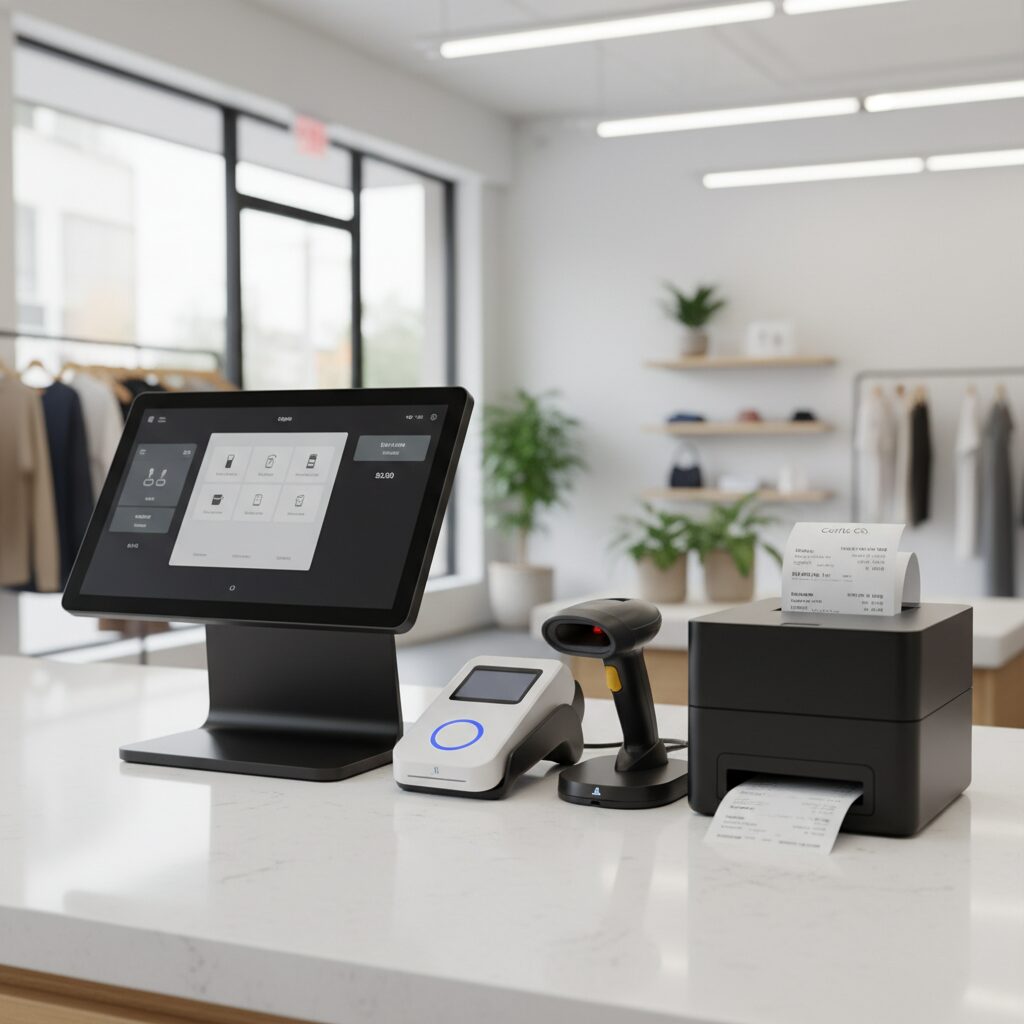
The hardware consists of the physical components required to execute transactions. While the specific configuration can be customised, it typically includes:
- Terminal/Screen: The primary user interface, which can be deployed on a dedicated touchscreen monitor, tablet, or mobile device.
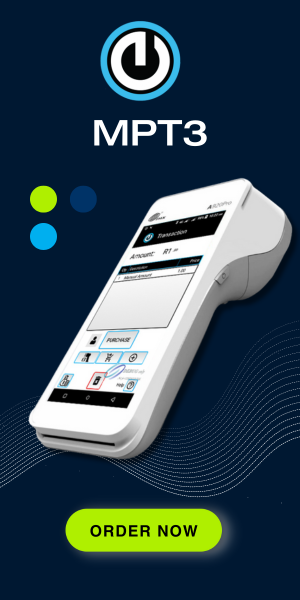
- Payment Terminal: Essential for the secure processing of debit and credit card payments. Modern terminals support contactless, EMV chip, and mobile wallet transactions.
- Barcode Scanner: Streamlines the checkout process by automating item identification and data entry. An essential component for most retail environments.
- Receipt Printer: Generates a verifiable record of the transaction for the customer, available in physical or digital formats.
- Cash Drawer: A secure, automated repository for cash transactions that integrates with the POS terminal.
These components integrate to deliver a seamless and efficient checkout experience. For businesses exploring more mobile, flexible technology, our article on Android POS System: The Essential Choice for Modern Business offers a deeper look into the advantages of tablet-based and smartphone-powered POS solutions.
POS Software
The software serves as the central intelligence of the POS platform. It provides the interface for managing business operations and integrates all hardware components into a cohesive system. As detailed in a guide by Stripe, POS software is critical for processing transactions. Key functions include:
- Payment Processing: Provides secure, multi-channel payment processing, accommodating everything from local cash (ZAR) to international credit cards.
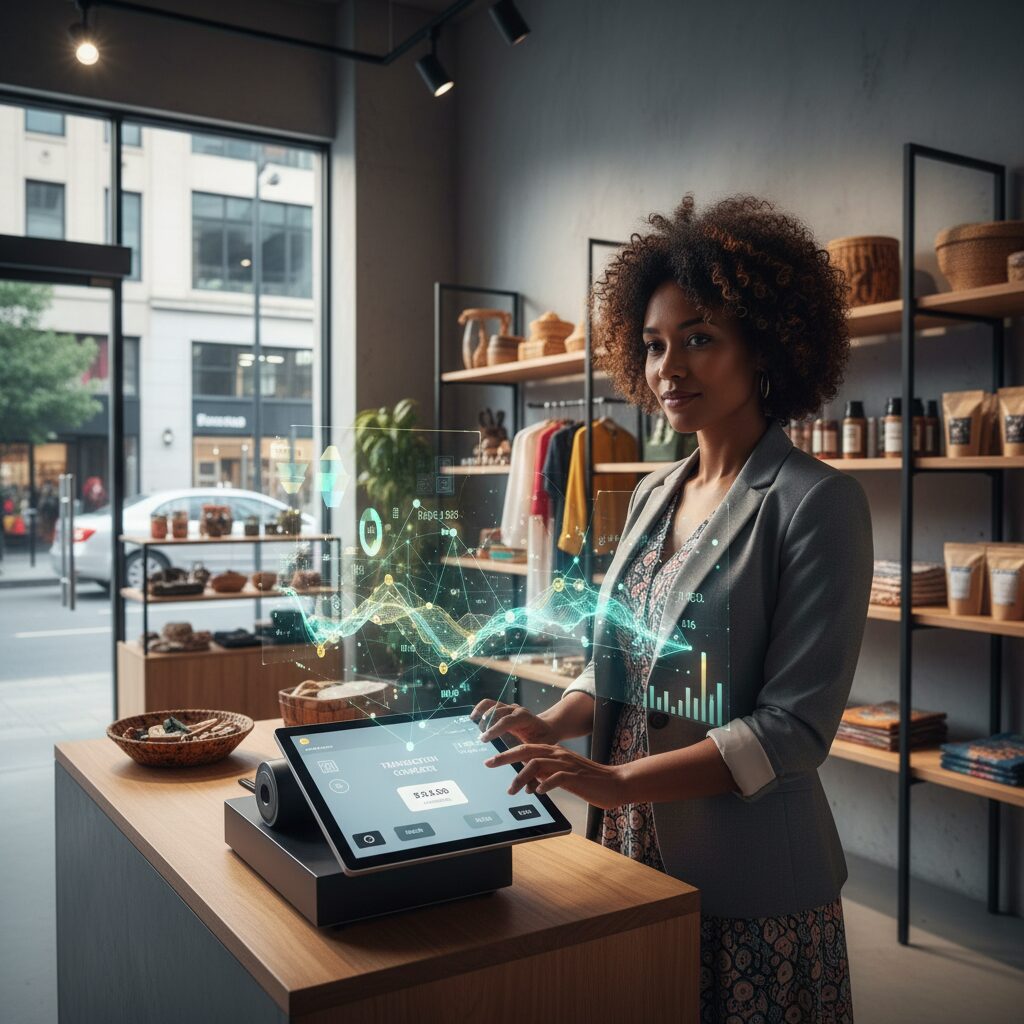
- Sales Reporting: Delivers real-time sales reporting and analytics, enabling organisations to monitor product performance, identify peak operational hours, and track revenue.
- Inventory Management: Automates inventory management by dynamically updating stock levels post-transaction, which helps prevent stockouts and optimises reordering processes.
- Customer Relationship Management (CRM): Integrates CRM functionalities to build customer profiles, track purchasing history, and facilitate the deployment of loyalty programs.
- Employee Management: Streamlines employee management by enabling performance tracking and monitoring work hours.
The right software transforms a payment terminal into a comprehensive business management solution. Selecting the optimal software is therefore a critical business decision. If you’re still weighing up your options, you may find our guide on POS Software: An Essential Guide to Free vs. Paid Platforms helpful, especially if you want to understand which solution offers the best value for your business.
Types of POS Systems: Retail vs. Restaurant
While all POS systems share core functionalities, specific industries require specialised solutions. The two most common configurations are designed for retail and restaurant environments.
Retail POS Systems
A retail POS system is engineered to manage high-volume inventory and rapid transaction processing.
- Core Focus: Primary objectives are efficient inventory management and accelerated transaction throughput.
- Key Features:
- Advanced Inventory Tracking: Manages complex stock requirements, including variations in size, colour, and style. It facilitates SKU-level tracking and automates purchase order generation.
- Barcode Scanning: Integral for rapid and accurate item processing in high-volume environments.
- Customer Loyalty Integration: Integrates with CRM modules to administer discounts, manage loyalty programs, and analyse customer purchasing behaviour.
- Returns and Exchanges: Simplifies the complex processes of managing customer returns, refunds, and store credit allocation.
Restaurant POS Systems
A restaurant POS system, whether for fine dining or quick-service environments, is customised for the unique operational complexities of the food service industry. According to the US Chamber of Commerce, the key differentiation lies in order and service flow management.
- Core Focus: Priorities include order precision, table management, and seamless communication between front-of-house and kitchen operations.
- Key Features:
- Order Management: Empowers staff to input complex orders with specific modifiers (e.g., “no onions,” “medium-rare”) and transmit them directly to kitchen display systems (KDS) or printers.
- Table Management: Provides a dynamic, visual layout of the dining floor, indicating table status (occupied, available, pending payment) in real-time.
- Bill Splitting: Facilitates the efficient splitting of bills among multiple patrons at a single table.
- Menu Management: Enables dynamic updates to menu items, pricing, and daily specials, while offering ingredient-level tracking to manage food costs and inventory.

Key Benefits of a Modern POS System
Implementing an integrated POS system delivers significant strategic advantages that directly enhance profitability.
- Increased Efficiency: Automating sales and inventory protocols reduces time allocated to manual data entry and mitigates the risk of human error. This empowers your staff to focus on delivering superior customer service.
- Detailed Sales Analytics: Gain access to powerful business intelligence. Monitor sales trends, identify high-margin products, and analyse customer purchasing patterns to inform strategic, data-driven decisions.
- Optimised Inventory Management: Real-time inventory tracking optimises stock levels, preventing both overstocking and stockouts of high-demand items. This directly improves cash flow and reduces waste.
- Enhanced Customer Experience: Accelerated checkout times, diverse payment options, and the capacity for personalised loyalty rewards combined to create a seamless and professional customer journey, fostering retention.
- Simplified Accounting: Modern POS systems seamlessly integrate with leading accounting software, automating the synchronization of sales data and significantly reducing administrative overhead for accounting personnel.
- Enhanced Scalability: A robust POS platform is designed to scale with your organisation. Whether expanding to new locations or launching an e-commerce channel, the system provides a unified commerce platform for both physical and digital operations.
A POS system has evolved beyond a mere payment processing tool; it is the operational core of a modern organisation. By delivering critical data, streamlining workflows, and elevating customer satisfaction, it empowers businesses to operate with greater efficiency and profitability.
Ready to select the optimal solution for your organisation? Review our guide on Point of Sale Systems South Africa: 5 Essential Picks for 2025 to proceed.