Are you also asking “What’s access control?”. Retirement homes provide a haven for elderly individuals to enjoy their golden years in a safe and nurturing environment. Ensuring the safety and security of residents is a top priority for retirement home administrators and staff. One effective way to achieve this is through the implementation of access control systems. In this blog post, we will explore what access control systems entail, the benefits they offer to retirement homes, and practical tips on incorporating them into daily routines. By the end, you’ll understand the importance of access control and how it can significantly enhance the overall resident experience.
Safety and security form the bedrock of any retirement home. It is crucial for residents, their families, and the staff to have peace of mind, knowing that the environment is secure and protected. Access control systems play a pivotal role in fortifying the safety measures and creating a secure atmosphere within retirement homes.
So what’s access control systems? Access control systems refer to the mechanisms and protocols designed to regulate and monitor entry and movement within a facility. These systems enable retirement homes to manage and control access to different areas, ensuring that only authorized individuals can enter or exit specific locations. By implementing access control systems, retirement homes can effectively safeguard their premises and provide residents with an added layer of protection.
The objective of this blog post is to shed light on the benefits of access control systems for retirement homes, provide practical insights on how to incorporate them seamlessly into daily routines and answer the question:”What’s access control like?”. We will explore various aspects of access control, including entering and leaving the premises, as well as moving around within the retirement home. Additionally, we will discuss the importance of safety for elderly residents and the positive impact access control systems can have on their overall well-being. Finally, we will examine scientific evidence and successful examples, showcasing the efficacy of access control systems in retirement homes as well as adding context to the question:”What’s access control like?.
By understanding what access control systems entail and how they can be integrated into retirement home environments, administrators and staff can create a safer and more secure atmosphere for residents. Let’s delve into the practical tips and insights that will help retirement homes enhance their access control measures, answer the question “what’s access control like?” and ultimately provide residents with a greater sense of security and peace of mind.
What’s Access Control? Understanding the Basics
What’s Access Control System Incorporation Tips?
The Importance of Safety for Elderly Residents
Evidence and Successful Examples That Answer “What’s Access Control Like?”
Conclusion
What’s Access Control? Understanding the Basics
Access control systems are essential components of modern security infrastructure, designed to regulate and manage entry and movement within a facility. By implementing access control systems, retirement homes can establish a secure and controlled environment that prioritizes the safety of residents and staff. Let’s delve into the basics of “What’s Access Control?” and explore the benefits they offer to retirement homes.
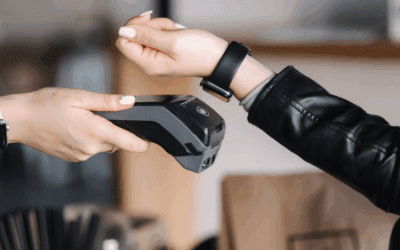
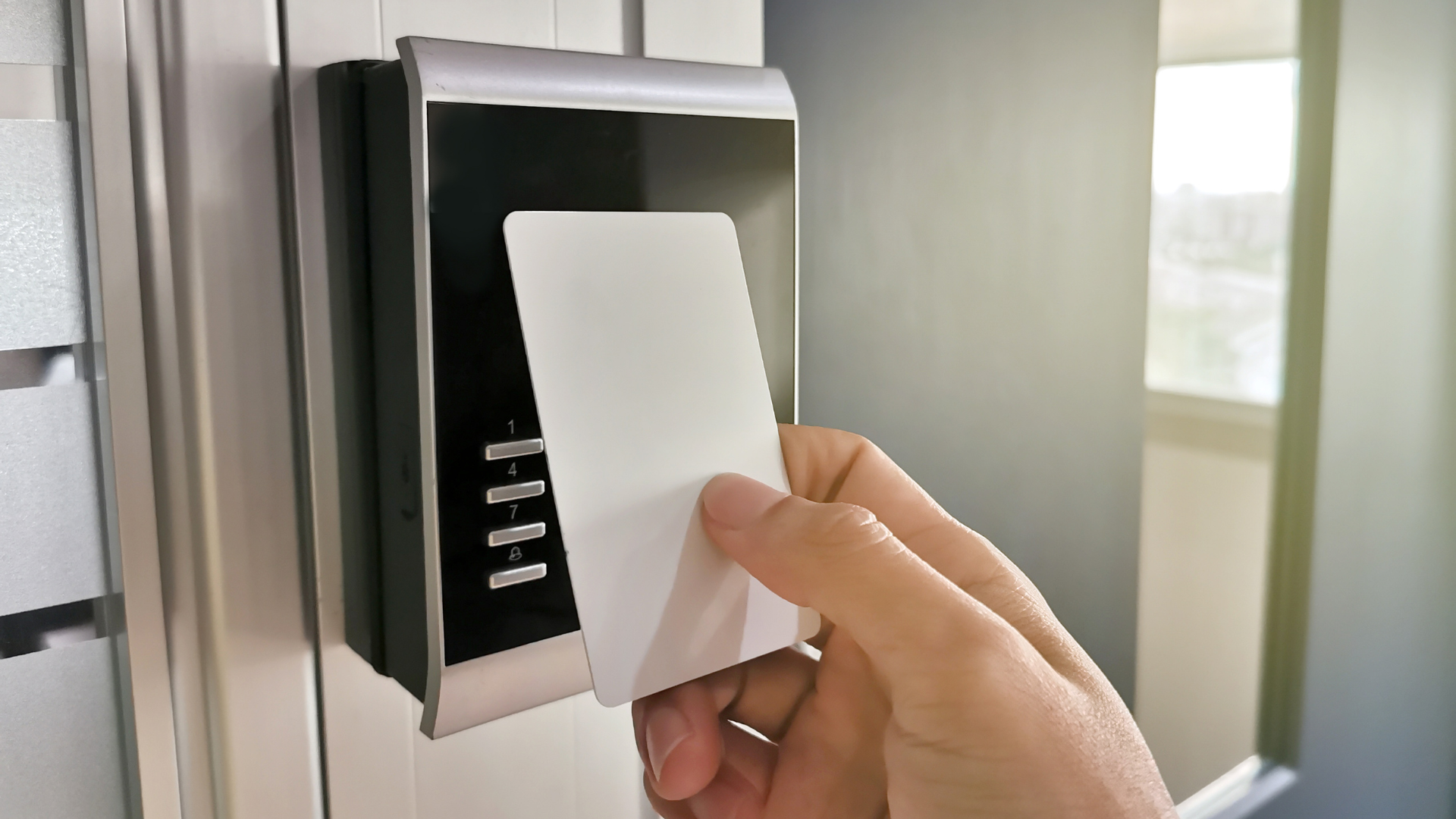
Access control systems encompass a range of technological solutions that control and monitor access to different areas within a retirement home. These systems utilize various methods, such as key cards, biometric identification, or PIN codes, to grant or restrict entry to specific individuals. The primary purpose of access control systems is to enhance security, minimize unauthorized access, and enable efficient management of residents, visitors, and staff movements throughout the facility.
Implementing access control systems brings forth numerous benefits for retirement homes, positively impacting both the safety of residents and the overall operational efficiency of the facility. Let’s explore some key advantages:
- Improved security and safety: Access control systems act as a robust deterrent against unauthorized individuals attempting to gain entry. By effectively managing and controlling access, retirement homes can prevent unauthorized individuals from entering restricted areas, thus reducing the risk of theft, vandalism, or other security breaches. Additionally, access control systems provide a comprehensive audit trail, allowing administrators to track and monitor entry and exit activities.
- Enhanced control and management: Access control systems grant retirement homes greater control over who enters their premises and when. By implementing a centralized system, administrators can assign specific access privileges to residents, staff, and approved visitors. This ensures that only authorized individuals can access particular areas, such as residential wings, common spaces, or storage areas. Furthermore, access control systems allow for swift deactivation or reprogramming of access credentials in case of lost or stolen cards or changes in resident or staff status.
- Improved overall resident experience: Access control systems contribute to a positive resident experience by providing a sense of safety, privacy, and independence. Residents can confidently move around the retirement home, knowing that their living spaces and shared areas are secured. Additionally, access control systems facilitate a smoother check-in process for visitors, ensuring that only approved guests can enter the premises. This helps foster a welcoming and secure environment for residents and their families.
By implementing access control systems, retirement homes can elevate their security measures, exercise greater control over access, and enhance the overall experience for residents. Whilst giving context to the question:”What’s access control like?” in the next section, we will explore practical tips on how to seamlessly incorporate access control systems into daily routines, ensuring a safe and secure living environment.
What’s Access Control System Incorporation Tips?
Implementing access control systems in retirement homes requires thoughtful planning and consideration. To seamlessly incorporate these systems into daily routines, it’s essential to establish practical protocols and guidelines. In this section, we will provide practical tips on how to effectively integrate access control systems into various aspects of retirement home operations which will also add some contect to the question: “What’s access control like?”.
Entering the premises
- Key card or biometric access: Consider implementing key card or biometric access systems at entry points to ensure secure entry for residents, staff, and approved visitors. Key cards or biometric identifiers, such as fingerprints or retinal scans, provide a convenient yet secure method of granting access.
- Visitor management protocols: Establish visitor management protocols, such as a registration process or visitor passes, to ensure that only authorized visitors gain entry. This helps maintain a safe and controlled environment while still allowing residents to receive visitors.
Leaving the premises
- Monitoring exits and implementing access restrictions: Install access control measures at exit points to monitor and restrict unauthorized departures. This ensures that residents can only leave the premises through designated exits, enhancing safety and preventing elopements.
- Ensuring residents’ safety during departures: Consider integrating safety features, such as panic buttons or emergency call systems, near exit points. This provides residents with a quick and reliable means to seek assistance or alert staff in case of emergencies or concerns while leaving the premises.
Moving around on the premises
- Secured access to different areas within the retirement home: Implement access control measures to secure areas that require restricted entry, such as administrative offices, storage rooms, or medical facilities. This helps protect sensitive information, supplies, and equipment while allowing authorized personnel to access these areas.
- Monitoring and controlling common spaces: Consider incorporating access control systems in shared spaces, such as dining areas or recreational facilities. This ensures that only residents and approved individuals can access these spaces, promoting a safe and comfortable environment for socialization and relaxation.
By following these practical tips, retirement homes can effectively incorporate access control systems into their daily routines, maximizing the security and convenience they offer to residents, staff, and visitors. In the next section, we will delve into the importance of safety for elderly residents and highlight the specific benefits they experience with the implementation of access control systems to further answer the question: “What’s access control like?”.
The Importance of Safety for Elderly Residents
Ensuring the safety and well-being of elderly residents is a paramount concern for retirement homes. Access control systems play a vital role in enhancing the safety measures and providing a secure environment for residents. In this section, we will delve into the specific importance of safety for elderly residents and highlight the benefits they experience with the implementation of access control systems with the goal of answering the very first question, “What’s access control like?”.
Elderly residents in retirement homes often have unique vulnerabilities and specific safety requirements. Factors such as physical frailty, cognitive decline, and mobility challenges can make them more susceptible to accidents, falls, or exploitation. It is essential to address these vulnerabilities and create an environment that prioritizes their safety and well-being.
Access control systems significantly contribute to the safety and well-being of elderly residents in retirement homes. Here are some specific benefits that residents experience:
- Enhanced physical security: Access control systems act as a strong deterrent against unauthorized individuals attempting to gain entry into retirement homes. By strictly regulating access and monitoring movement, these systems minimize the risk of intrusions, break-ins, or other security breaches. This ensures that residents can enjoy a secure living environment.
- Prevention of wandering and elopement: Elderly residents with cognitive impairments, such as dementia or Alzheimer’s disease, may be prone to wandering or elopement. Access control systems with exit monitoring and restrictions can help prevent such incidents, ensuring that residents remain within safe areas while still maintaining their freedom and independence.
- Protection from unauthorized visitors: Unauthorized individuals, including potential scammers or those with ill intentions, may attempt to gain entry into retirement homes. Access control systems, coupled with visitor management protocols, help prevent unauthorized visitors from entering the premises. This protects residents from potential harm or exploitation.
- Emergency response and quick assistance: Access control systems can be integrated with emergency response features, such as panic buttons or emergency call systems. These features enable residents to quickly summon help in case of emergencies or when they require immediate assistance. Rapid response times contribute to residents’ safety and well-being, providing them with peace of mind and reassurance.
By implementing access control systems tailored to the specific needs of elderly residents, retirement homes create a safer environment that promotes their well-being, independence, and dignity. In the next section, we will explore scientific evidence supporting the effectiveness of access control systems in retirement homes and provide examples of successful implementations that will give you an idea to the answer of our very first question: “What’s access control like?”.
Evidence and Successful Examples
The effectiveness of access control systems in retirement homes is supported by scientific evidence and successful implementations. In this section, we will delve into the research findings and share examples of retirement homes that have successfully implemented access control systems to enhance safety and security for their residents with the aim to answer the question, “What’s access control like?”.
Numerous studies have demonstrated the positive impact of access control systems in retirement homes. Here are a few examples:
- A research study published in the Journal of Housing for the Elderly found that access control systems improve residents’ perceived quality of life, contributing to a sense of safety, privacy, and independence. The study showed that residents in retirement homes with access control systems reported higher satisfaction levels compared to those without such systems. (Source: Journal of Housing for the Elderly – “Perceived Quality of Life in Assisted Living Facilities: A Case Study” – https://www.tandfonline.com/doi/abs/10.1300/J081v25n02_06)
- A comprehensive review of security measures in long-term care facilities, including retirement homes, published in the Journal of Aging and Social Policy, highlighted the importance of access control systems in reducing the risk of security breaches and enhancing resident safety. The review emphasized the effectiveness of access control systems in preventing unauthorized access and promoting a secure environment. (Source: Journal of Aging and Social Policy – “Security Measures in Long-term Care Facilities: A Review of the Literature” – https://www.tandfonline.com/doi/full/10.1080/08959420.2015.1094863)
Example of successful access control systems in retirement homes
Numerous retirement homes have successfully implemented access control systems, achieving enhanced safety and security for their residents. Here are a few examples:
- Langverwacht Retirement Village: Located in Cape Town, Langverwacht Retirement Village implemented an access control system that utilizes key cards for residents and staff. The system includes door sensors and cameras at key entry points, providing a comprehensive security solution. Residents appreciate the added sense of security and the ease of accessing common areas while maintaining a secure living environment.
This example showcases the successful implementation of access control systems in retirement homes, highlighting the positive outcomes and benefits experienced by residents and staff. This should also give more context to the question, “What’s access control like?”.
By leveraging scientific evidence and learning from successful examples, retirement homes can gain confidence in the effectiveness of access control systems and their ability to create a safe and secure environment for their elderly residents. In the concluding section, we will summarize the key points discussed and encourage readers to consider incorporating access control systems into their daily routines at retirement homes.
Conclusion: What’s Access Control like?
In conclusion, access control systems play a vital role in creating a safe and secure environment for residents in retirement homes. By implementing these systems, retirement homes can enhance security, exercise greater control over access, and provide residents with a greater sense of safety, privacy, and independence.
Throughout this blog post, we explored the basics of access control systems, including their definition and purpose. We discussed the benefits of implementing these systems in retirement homes, such as improved security, enhanced control, and an overall better resident experience. We also provided practical tips on incorporating access control systems into daily routines, ensuring seamless integration within retirement home operations.
Furthermore, we emphasized the importance of safety for elderly residents and how access control systems contribute to their well-being. Scientific evidence supports the positive impact of these systems on residents’ perceived quality of life, safety, and overall satisfaction. We also shared examples of successful access control system implementations in retirement homes, highlighting the positive outcomes and benefits experienced by residents and staff.
Now, it’s time to take action. If you’re a retirement home administrator or staff member, consider incorporating access control systems into your daily routines. Conduct thorough research, consult with security experts, and choose a system that aligns with the unique needs of your facility and residents. Ensure that the system provides features such as key card or biometric access, visitor management protocols, and monitoring capabilities for both entry and exit points.
We encourage you to explore the wide range of access control system providers and solutions available in the market. Evaluate their features, reliability, and compatibility with your existing infrastructure. While doing so, keep in mind the specific needs and vulnerabilities of your elderly residents, ensuring that the system enhances their safety, well-being, and quality of life.
Remember, safety is a top priority in retirement homes. By incorporating access control systems, you’re taking a significant step toward creating a secure environment that offers peace of mind for residents, their families, and your dedicated staff.
Together, let’s continue to prioritize safety and make retirement homes in our country, South Africa, the safe havens our elderly residents deserve.