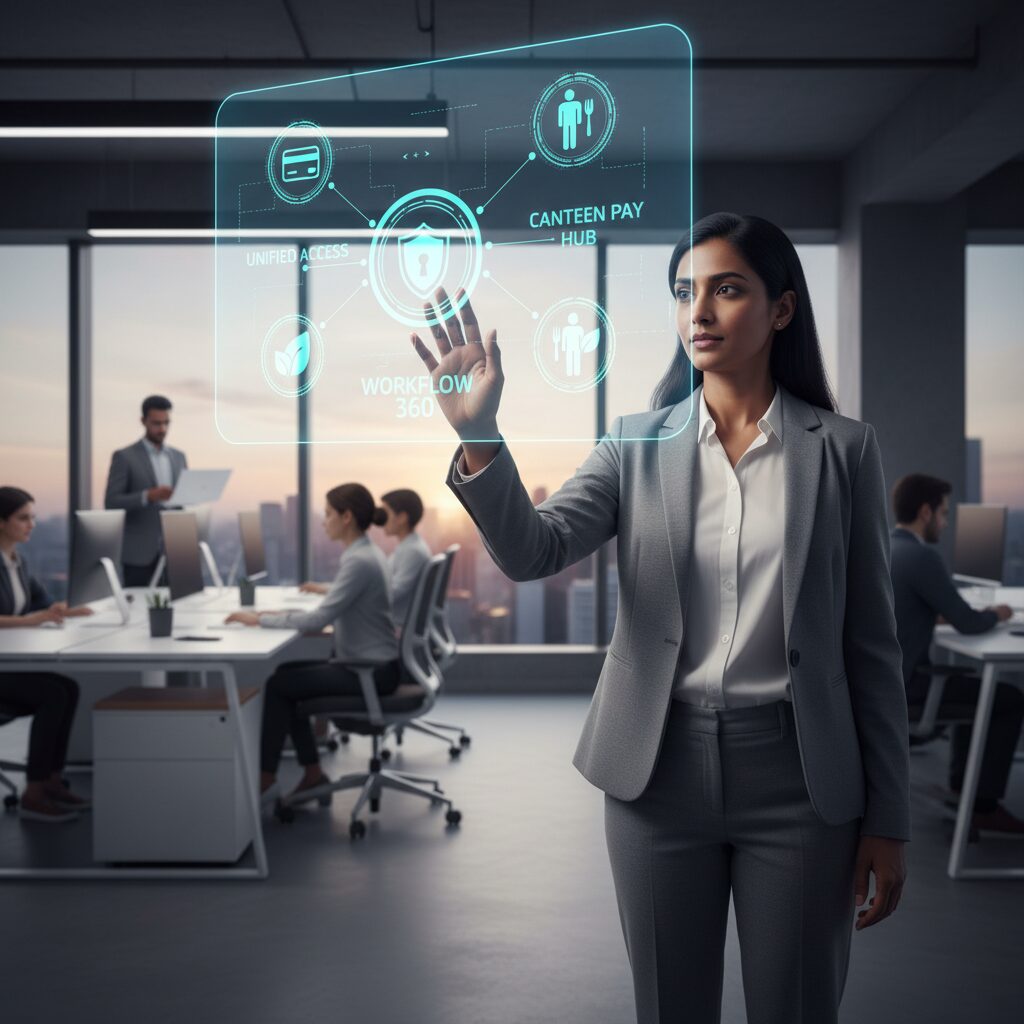
Modern workplace management systems are the invisible engine behind a truly efficient corporate office. If your leadership team is tired of managing the administrative fallout from slow canteen queues, manual meal claims, and outdated security logs, you already know that disconnected technology is a massive drain on company time. For those responsible for office operations, these disconnected layers create a frustrating gap in building oversight and result in hundreds of wasted hours spent on tasks that should be handled by a single, intelligent platform.
This guide moves away from the clutter of separate security cards, paper-based tracking, and mismatched software. We focus on how a unified approach to access control, corporate canteen management, and staff benefits can streamline your daily operations and give you back your time. Whether you are overseeing a single headquarters or a national enterprise, the goal is to transform your workplace into a seamless, data-driven environment that finally works for your business.
What Are Integrated Workplace Management Systems?
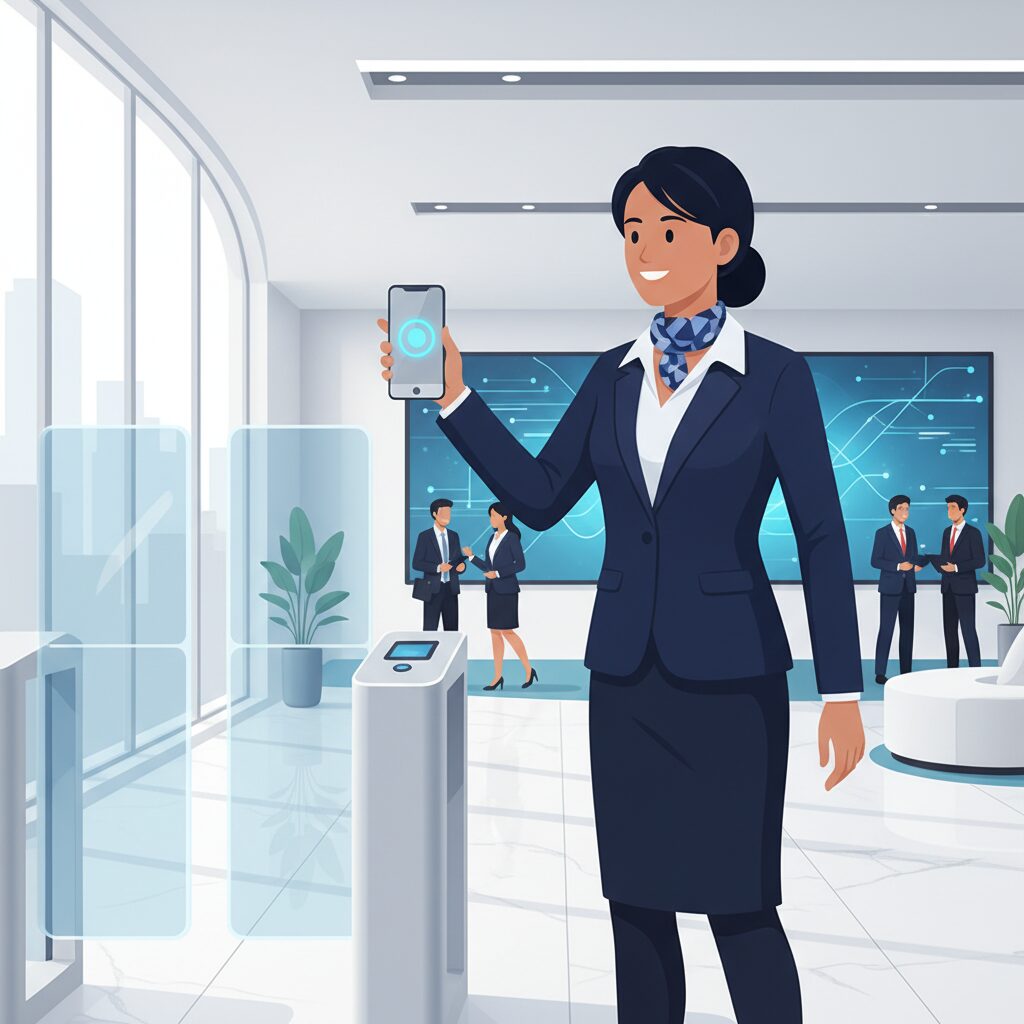
Integrated workplace management systems serve as the central hub for your office operations. Instead of managing separate tools for security turnstiles, corporate canteen management, and manual spreadsheets for meal allowances, these platforms consolidate every service into one organized system.
The primary advantage is a completely frictionless workday. Employees use a single credential, such as an ID card or a smartphone app, to navigate the entire building and handle their needs. For the organization, this transition leads to smoother operations and automated tasks. It also provides clear data that supports smarter business decisions. Ultimately, these systems ensure that every digital interaction in the workplace is professional, efficient, and easy to navigate.
The Three Pillars of a Modern Corporate Ecosystem
A truly integrated workplace is built on three essential pillars. When these components are engineered to work in concert, they create a powerful engine for productivity and employee satisfaction.
1. Secure and Seamless Access Control
Robust physical security is a foundational requirement, but it should not compromise operational convenience. Traditional keys and standalone access cards are susceptible to loss, theft, or unauthorized sharing, introducing significant security risks and administrative burdens.
Modern access control systems transcend these limitations by utilizing:
- NFC/RFID Cards or Fobs: A single credential programmed to grant granular access to specific areas, from parking booms to secure server rooms.
- Biometrics: Fingerprint or facial recognition scanners that deliver a superior level of security by verifying individual identity with precision.
- Mobile Credentials: Empowering employees to use a dedicated smartphone application to authorize access, eliminating the need for a physical card.
The true value of an integrated workplace management system becomes clear when your tools work together. For instance, access rights can update automatically based on an employee’s status in the HR system. If someone leaves the company, the system instantly cancels their access at every entry point. This immediate response significantly reduces security risks and removes the need for manual updates. Having this level of centralized control is a vital step in building a secure and highly efficient digital workplace.
2. Effortless Corporate Canteen Management
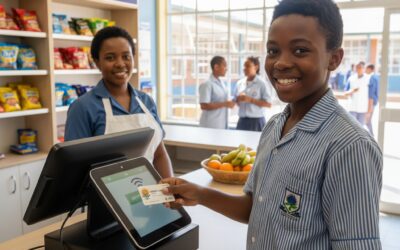
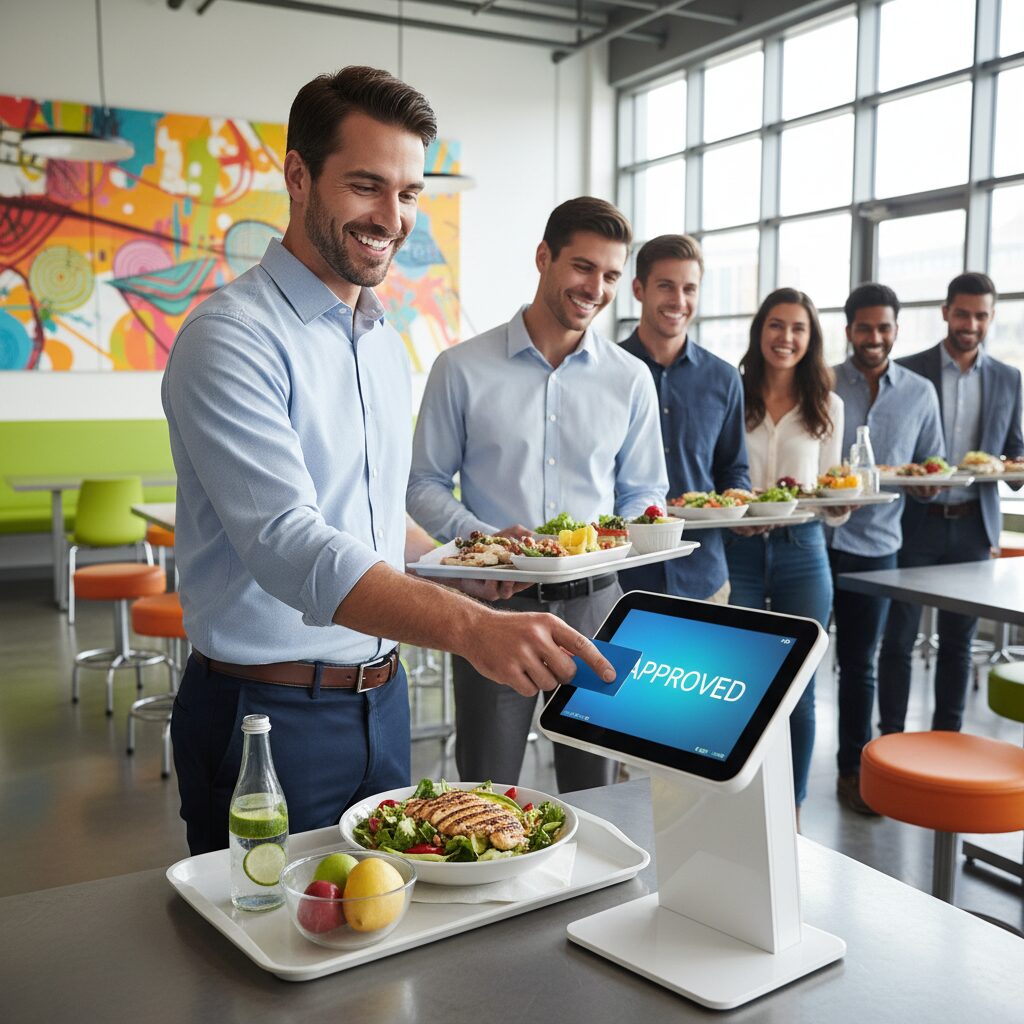
While the corporate canteen is a vital component of workplace culture, inefficient payment processes and long queues can detract from the employee experience. Integrated corporate canteen management transforms this service by establishing a cashless payment ecosystem.
The system functions by linking the same credential used for access control to a secure digital wallet. To pay for a meal, the employee simply presents their card or scans a QR code at the point of sale.
This delivers two primary benefits:
- For Employees: Transactions are completed in seconds, drastically reducing queue times without the need to carry cash or bank cards. Digital wallets can be managed online or via automated payroll deductions.
- For Employers: The system eliminates the security risks and administrative overhead associated with cash handling. It provides invaluable real-time data on purchasing trends, enabling canteen managers to optimize menus, reduce food waste, and manage inventory with greater accuracy.
3. Flexible and Modern Employee Stipends
Employee benefit structures are shifting to meet the needs of a modern workforce that prioritizes flexibility. Many organizations now offer stipends for meals, wellness, or travel to stay competitive. However, handling these perks through manual expense claims is often slow and creates a heavy administrative workload.
The shift toward these digitized benefits is backed by global trends in organizational health. Research shows that when companies provide flexible and easily accessible benefits, such as instant meal stipends, employee engagement and retention increase significantly. In fact, organizations that prioritize a seamless digital employee experience are far more likely to see higher levels of productivity and workplace satisfaction. By removing the friction of manual claims, you are directly investing in the cultural and operational health of your business.
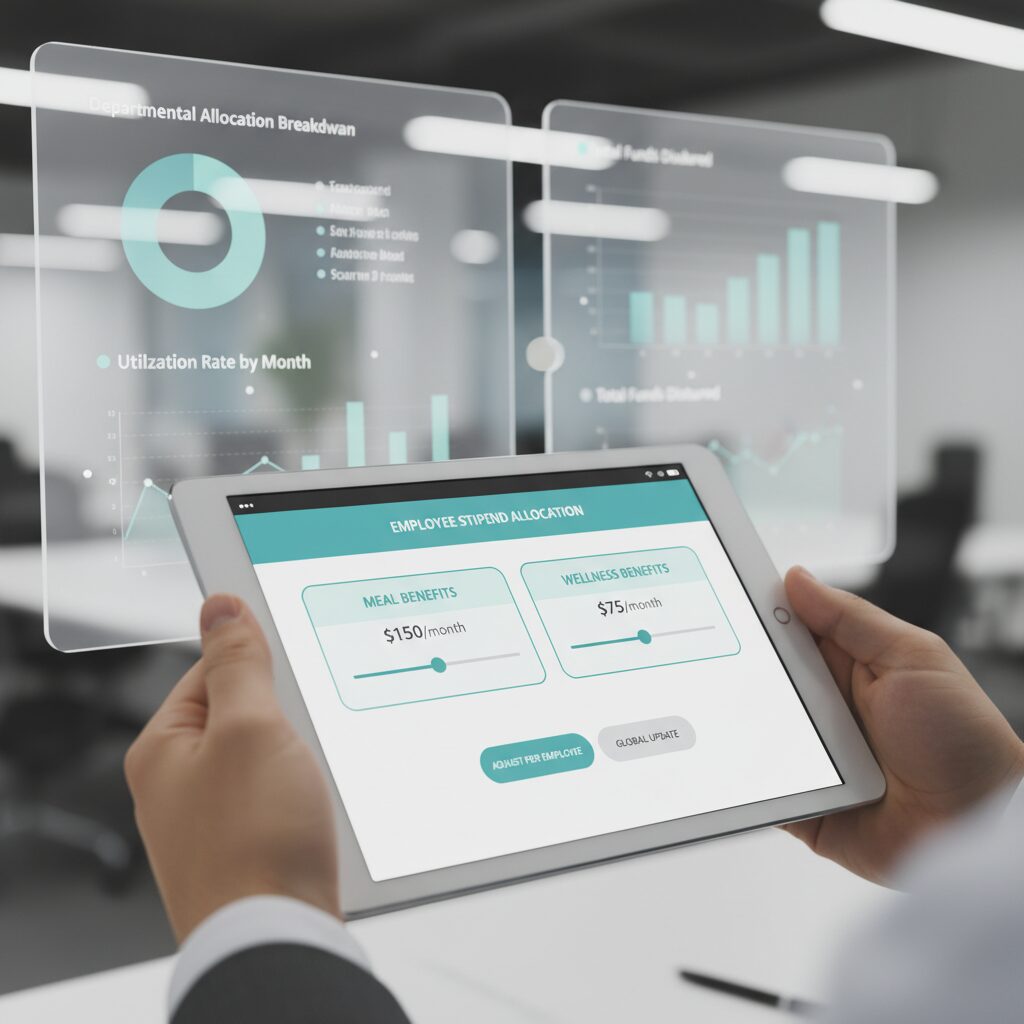
Modern workplace management systems solve this by digitizing the entire process. Your business can assign a set amount, such as a R700 monthly meal allowance, directly to an employee’s digital wallet. Because this wallet connects straight to your corporate canteen management setup, the process becomes instant and paperless for everyone involved.
This approach offers significant advantages:
- Controlled Spending: The organization can configure rules to ensure the stipend is utilized only for its intended purpose, such as at the corporate canteen or pre-approved vendors.
- Simplified Administration: This automation eliminates the need for employees to submit receipts and for finance teams to process expense reports, as all transactions are tracked digitally.
- Enhanced Employee Satisfaction: Staff receive their benefits instantly and can use them effortlessly. This seamless experience significantly enhances employee morale and contributes to higher retention rates.
The Power of Integration: How It All Works Together
The strategic value of workplace management systems is most apparent when all three pillars work together in harmony. To see how this functions in practice, consider how a typical employee moves through their day within a fully integrated workplace:
1. Arrival: She uses her smartphone’s mobile credential to authorize access at the parking boom gate.
2. Entry: The same credential grants her access through the main turnstile and unlocks her designated departmental door.
3. Lunch: She proceeds to the canteen, selects her meal, and completes the payment by scanning a QR code with her phone at the till. Her pre-loaded R50 daily meal stipend is automatically applied to the transaction.
4. Data for Management: In the background, the platform logs her entry time, records her lunch purchase, and updates her remaining stipend balance in real-time. The facilities manager has access to live building occupancy data, while the canteen manager can analyze daily sales reports to identify popular items.
This synergy creates a workplace that is not just smart, but also responsive and data-driven.
Choosing the Right Workplace Management System
When evaluating workplace management systems, consider the following key factors:
- Scalability: The platform must be able to scale with your organization’s growth, from a single office to a multi-site enterprise.
- Integration Capabilities: Ensure the system offers robust APIs to integrate seamlessly with your existing HR, payroll, and accounting software.
- User Experience (UX): The platform must provide an intuitive user experience for both employees and administrators to ensure high adoption rates.
- Security: The provider must adhere to the highest data protection and cybersecurity standards to safeguard sensitive employee and corporate information.
- Local Support: Confirm the availability of a reliable, South Africa-based support team to provide expert assistance during implementation and for ongoing maintenance.
A Smarter Way to Manage Your Workplace
Finding the right workplace management systems is about more than just buying software; it is about building an environment where technology actually supports your team instead of creating more admin work. When your security, dining, and benefits systems do not talk to each other, your business loses time to manual tasks and your employees face unnecessary friction every day.
This is exactly where Eezipay fits in. We provide the tools to turn these disconnected services into a single, professional ecosystem. Here is how our solutions directly address your operational challenges:
- Unified Access and Payments: We replace the need for multiple cards or systems. Our platforms allow employees to use a single credential for secure building access and corporate canteen management, creating a truly frictionless experience.
- High-Performance Hardware: Our Mobile Payment Terminals, such as the MPT3, are designed for versatile workplace use. These devices handle everything from standard bank cards to employee digital wallets, ensuring that your canteen or staff shop operates at peak efficiency.
- Automated Stipend Management: We eliminate the burden of manual expense claims. Through the Eezipay platform, you can allocate meal or wellness allowances directly to staff accounts, ensuring funds are used correctly while providing your finance team with real-time digital tracking.
- Scalable and Local Support: Our comprehensive solutions are built to grow with your business. Based in South Africa, our team provides the expert implementation and ongoing support you need to keep your workplace running smoothly.
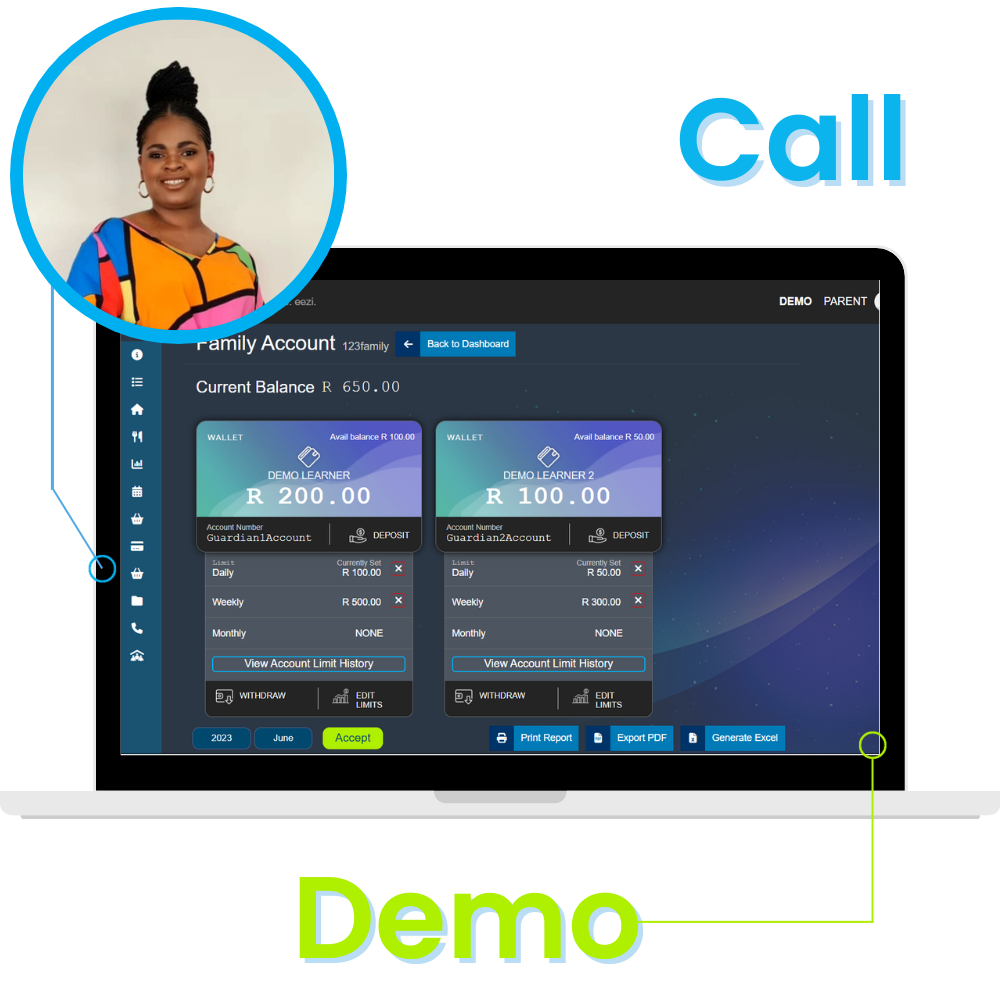
If you are ready to stop managing silos and start leading a connected office, you can explore our solutions or book a 15-minute demo call with us. We focus on solving your specific workplace hurdles so you can get back to growing your business.
Frequently Asked Questions
How do workplace management systems improve building security?
These systems replace physical keys and basic swipe cards with encrypted digital credentials like biometrics or mobile apps. Because the system is centralized, management can instantly grant or revoke access rights for any employee across multiple entry points. This ensures that only authorized personnel can enter specific zones and provides a real-time digital log of all movements for better oversight.
Can corporate canteen management work with our existing payroll software?
Yes. A modern system is designed to integrate seamlessly with your existing payroll and HR platforms. This allows for automated functions, such as deducting canteen spend directly from a salary or automatically updating an employee’s digital wallet when their status changes in your HR records.
Are employee meal stipends taxable in South Africa?
While workplace management systems make it easier to track and allocate stipends, the tax implications depend on current local labour and tax laws. Digital tracking provides the clear, itemized reporting your finance team needs to ensure that benefit allocations are managed transparently and in compliance with corporate policies.
Is it difficult to move from a cash-based canteen to a cashless one?
The transition is surprisingly smooth when using a unified platform. By linking access cards or smartphone apps to a digital wallet, employees do not have to learn a new process. For the business, the shift removes the security risks and administrative burden of handling cash, making the entire operation faster and more secure from day one.
Conclusion: Build a Workplace of the Future, Today
Transitioning to a unified workplace is a practical step toward future-proofing your business operations. By choosing to move away from fragmented tools and adopting workplace management systems that actually communicate, you are doing more than just tightening security or speeding up the lunch queue. You are removing the hidden frustrations that slow down your team and your finance department every single day.
When you simplify these daily interactions, you create an environment where staff feel supported and management can lead with data instead of guesswork. Building a connected office is an investment in your most valuable asset, which is your people. If you focus on solving the small operational hurdles today, you will find that your organization is much better equipped to handle the challenges of tomorrow.