
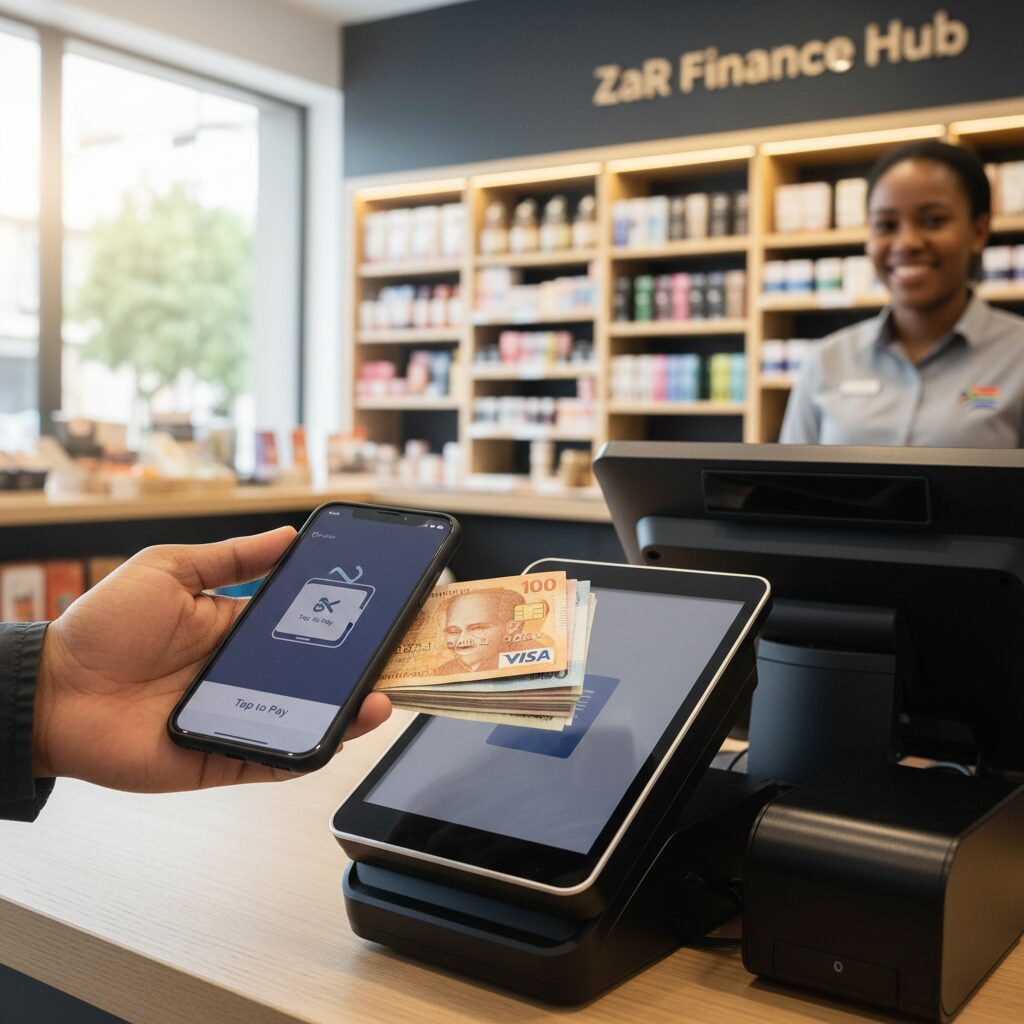

The Foundation: Traditional Payment Methods in South Africa
These payment methods constitute the bedrock of commerce in South Africa. While innovative digital solutions are gaining prominence, proficiency in managing these foundational methods remains non-negotiable.
Cash: High Acceptance, Hidden Costs
Cash remains a critical payment method, particularly for low-value transactions and in regions with limited digital infrastructure. For the end-user, it represents the most direct and universally understood form of payment.
- Pros: Universal acceptance, immediate settlement, and no direct transaction fees. It is essential for serving unbanked or underbanked segments of the population.
- Cons: The indirect costs associated with cash are significant. These include security risks (theft, cash-in-transit services), operational overhead from manual cash reconciliation and bank deposits, and exposure to human error or shrinkage. Crucially, cash transactions provide no transactional data for customer behavior analysis.
Card Payments: The Non-Negotiable Standard
Debit and credit cards are the default payment method for a significant segment of the South African consumer base. From large-scale enterprises to small and medium-sized businesses, the capacity to accept card payments is a hallmark of a professional operation. This includes both traditional chip-and-PIN and modern contactless (NFC) payment functionalities.
- Pros: High levels of customer trust and familiarity, instant transaction authorisation, and enhanced security protocols. Integrating card payments can increase average transaction values and is imperative for any e-commerce activity. As noted in industry analysis of top online payment methods for 2025, card-based transactions continue to be a preferred global standard.
- Cons: The primary consideration is cost. Merchants are subject to a transaction fee, typically ranging from 1.5% to over 3% of the transaction value. The management of potential chargebacks can also present a notable administrative burden.
To facilitate in-person card payments, your organization requires the appropriate hardware. Modern POS terminals offer speed, security, and multi-card compatibility. Not sure which terminal fits your counter? To cut through the technical jargon and find a device that matches your specific operational needs, read our comprehensive breakdown: Card Machine Explained: An Essential Guide for Your Business.

The Digital Shift: Modern & Online Payments
The future of payments is inherently digital. These methods deliver superior speed, convenience, and advanced capabilities for both physical and online commercial environments.
Electronic Funds Transfer (EFT): The Standard for B2B Payments
An EFT is a direct digital transfer of funds between bank accounts. It has long been the established standard for B2B transactions and for settling large-value invoices where card processing fees would be commercially unviable.
- Pros: Substantially lower transaction costs compared to card payments, frequently incurring only a nominal flat fee. It is a secure method well-suited for high-value payments.
- Cons: Traditional EFTs can involve delayed settlement times of 1-3 business days, which may impact cash flow. Manual reconciliation represents a significant operational inefficiency, requiring teams to match payments from bank statements to outstanding invoices—a process highly susceptible to human error.
QR Code Payments: Driving Cashless Adoption
QR (Quick Response) codes have emerged as a powerful force in the South African payments ecosystem. By scanning a code with a smartphone, customers can initiate instant payments from their banking application or digital wallet. The widespread adoption of this technology by leading platforms has created a familiar and trusted user experience.
- Pros: Minimal implementation cost for the merchant. A printed QR code at the point of sale can be sufficient to begin, eliminating the need for dedicated hardware. It offers a fully contactless and hygienic payment solution that is highly versatile, suitable for diverse environments from retail and hospitality to professional service invoicing.
- Cons: This method requires the customer to have a smartphone with a stable data connection and the relevant payment or banking application installed. The market can be fragmented, with different platforms requiring separate applications.

Tying It All Together: Developing an Integrated Payment Acceptance Strategy
Effectively choosing payment methods in South Africa is not about selecting a single option, but about architecting an integrated and flexible ecosystem that serves every customer and supports every sales channel.
In-Store vs. E-commerce
- For physical locations: Your baseline should include Cash and Card Payments. Integrating QR Codes is a cost-effective method to add significant convenience and cater to a mobile-first demographic.
- For e-commerce platforms: Card Payments are mission-critical. This necessitates a robust payment gateway—the secure infrastructure that connects your website to the banking network to process credit cards, debit cards, and instant EFTs online. For an in-depth analysis of payment gateway functionality and provider selection criteria, review our insightful blog Payment Gateway South Africa: The Ultimate Guide for Businesses.
Choosing the Right Technology Partner
Modern payment processing exists within a complex ecosystem of financial institutions, technology vendors, and security protocols. For most organizations, the optimal approach is to partner with a reputable payment processing system that provides a unified, integrated solution. Key evaluation criteria for a provider includes:
- Multi-Method Capabilities: The platform should seamlessly support cards, QR codes, and modern EFT processing.
- Transparent Pricing Models: Ensure a clear and comprehensive understanding of the fee structure for each payment type.
- Durable and Reliable Hardware: POS terminals must be fast, durable, and intuitive to operate.
- Responsive Technical Support: Payment system downtime results in direct revenue loss. Access to responsive, expert local support is non-negotiable.
Conclusion: Future-Proof Your Organization
The South African payments landscape will continue its rapid evolution. By adopting a diversified payment strategy—grounded in the reliability of foundational methods while integrating the efficiency of QR codes and sophisticated online gateways—your organization will achieve more than simple transaction processing. You will create a seamless, professional experience that meets customers on their terms, reduces operational friction, and empowers your business to grow.